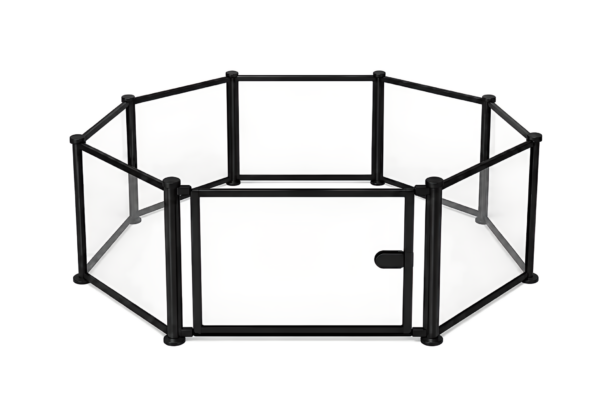

Picking the right cage is only half the job. What you put inside it — and how you arrange it — has just as much impact on your hedgehog’s health and quality of life as the enclosure itself. A bare cage with nothing but a food bowl is not a setup; it’s a box. Hedgehogs are nocturnal, naturally curious, and built to run, forage, and burrow. A proper cage setup gives them the space to do all of that safely, every single night, without you having to think twice about it.
This guide walks through every item that belongs in a hedgehog’s cage, why it matters, and what to look for when choosing each one. If you haven’t sorted the cage itself yet, start with our best hedgehog cage guide first, then come back here to finish the setup.
Start With the Right Foundation: Bedding
Before any accessories go in, the cage floor needs to be properly lined. Bedding should be at least 2 to 3 inches deep — deep enough for your hedgehog to practice natural digging and burrowing behaviour, and deep enough to cushion any tumbles from a hideout or wheel. Getting the depth right matters more than most new owners realise; shallow bedding prevents burrowing and offers no shock absorption.
The safest bedding choices are paper-based substrates, recycled paper pellets, and aspen shavings. Cedar and pine shavings should be avoided entirely — both contain aromatic oils that irritate the respiratory system and can cause serious long-term damage. Corn cob bedding is another one to skip, as it grows mould quickly when wet. Fleece liners are a popular alternative to loose bedding; they’re reusable, easy to wash, and eliminate the mess of scattered substrate — though they need washing more frequently than loose bedding needs replacing to stay odour-free.
Whatever bedding you choose, spot clean the cage daily and do a full replacement at least once a week. A dirty cage is one of the most common triggers for skin problems and foot infections in pet hedgehogs. Our full best hedgehog bedding guide covers every option in detail.
The Running Wheel: Non-Negotiable
Hedgehogs can run up to 12 miles in a single night in the wild. A running wheel isn’t an enrichment extra — it’s the primary way your hedgehog stays physically healthy, maintains a healthy weight, and avoids the muscle atrophy and depression that comes with a sedentary life. Without a wheel, obesity and muscle deterioration become real concerns over time.
Two things matter most when choosing a wheel. First, the surface must be solid — no wire, no mesh, no crossbars. Wire wheels catch toes and cause serious injuries; they should never be used regardless of how cheap or widely available they are. Second, the diameter must be at least 12 inches. A wheel smaller than 12 inches forces your hedgehog to arch its spine while running, which causes cumulative spinal strain over time. Your cage also needs at least 16 inches of internal height to accommodate a proper wheel without the hedgehog’s back rubbing the lid. The wheel should also be easy to wipe down — hedgehogs routinely run and defecate at the same time, so daily cleaning is the reality. Our best hedgehog wheel guide has our full picks.
A Hideout: Where Your Hedgehog Spends Most of the Day
Hedgehogs are prey animals by instinct, and that instinct doesn’t disappear in captivity. They need at least one — ideally two — dark, enclosed spaces where they feel completely secure. Without a proper hideout, a hedgehog has nowhere to decompress, which leads to chronic stress and all the health problems that come with it.
When choosing a hideout, make sure it’s large enough for your hedgehog to fully enter, turn around, and exit without squeezing — hedgehogs strongly prefer turning around rather than reversing out of tight spaces. Plastic igloos, wooden houses, and fabric sleeping sacks are all popular options. Fabric sleep sacks are especially well-liked because they provide warmth and a sense of being fully enclosed; just make sure the fabric has no loose loops or fibres that can catch on quills or toes. Place the hideout in the quietest corner of the cage, away from the wheel and food station. See our best hedgehog hideout and best hedgehog sleeping bag guides for specific options.
Food and Water Stations
A heavy, tip-resistant food bowl is essential — hedgehogs are surprisingly effective at flipping lightweight dishes during their nightly activity bursts. Ceramic bowls work well for this reason; they’re heavy, easy to clean, and don’t retain odours the way plastic does. The bowl should be low enough for your hedgehog to access without having to climb in or stretch awkwardly.
Water is where owners tend to split. Both water bottles and bowls work, but each has trade-offs. Bottles keep the water clean longer and are harder to contaminate with bedding or waste, but some hedgehogs simply won’t use them — particularly if they weren’t raised with one. If your hedgehog chews on the metal tip of a water bottle, switch to a bowl immediately, as the damage to their teeth can be severe. Bowls are easier to drink from naturally but need changing daily and can fill with debris overnight. The safest approach is to offer both initially and let your hedgehog show you which they prefer.
The food station should be placed on the opposite side of the cage from the litter box — hedgehogs instinctively avoid eating near where they toilet, and keeping the two areas separate reduces contamination risk. Our best hedgehog feeding bowls and best hedgehog water bottle guides have our full recommendations.
A Litter Box
Hedgehogs can be litter trained, and a litter box in the cage makes daily cleaning significantly faster and less unpleasant. Many hedgehogs naturally gravitate to one corner of the cage to toilet — placing the litter box in that corner and filling it with paper-based, unscented litter often speeds up the training process considerably.
Choose a litter box with a low entry point so your hedgehog can step in easily. Many hedgehogs won’t use a tray that requires climbing over a high rim, especially as they age. Avoid clumping cat litter and clay-based products — paper pellets or recycled paper litter are the safest choices for hedgehog feet and respiratory health. Position it on the opposite end of the cage from the food station and, where possible, near the wheel — hedgehogs frequently toilet while running and may naturally begin using the box if it’s close by. Our best hedgehog litter box guide walks through the specific options worth buying.
Heating: The Setup Most People Get Wrong
A cage without a heating plan isn’t a finished setup — it’s an incomplete one. Hedgehogs need a consistent ambient temperature between 72°F and 80°F year-round. African Pygmy hedgehogs are not equipped for hibernation the way wild species are — a temperature drop that triggers a hibernation attempt can be fatal.
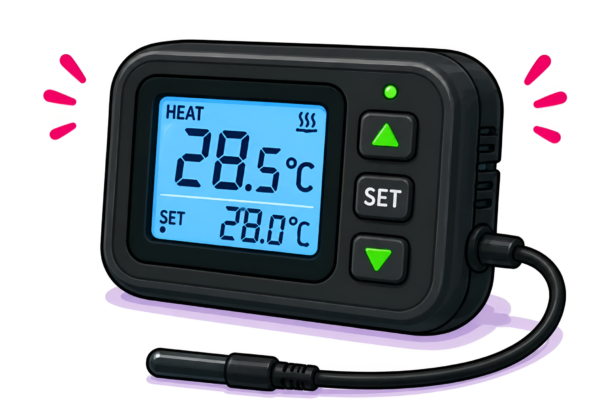
The most reliable heating method is a ceramic heat emitter (CHE) — a bulb that produces heat without any light, so it doesn’t disrupt your hedgehog’s day-night cycle. It should be mounted above one end of the cage rather than centred, so your hedgehog can move toward or away from the heat source as needed. A thermostat is essential alongside it to regulate the CHE automatically and prevent overheating. A thermometer with a probe lets you read the temperature inside the cage without disturbing your hedgehog. Heating pads placed underneath one section of the cage can supplement a CHE or serve as a backup during power interruptions — never rely on a pad alone as the sole heat source. The cage should never be placed directly on the floor, as floor-level air is consistently several degrees cooler than the rest of the room.
Lighting: The Requirement Most New Owners Miss
Hedgehogs need a consistent day-night light cycle to regulate their biology. A minimum of 12 hours of light per day is required — from natural daylight, an indoor lamp, or a combination of both. Reduced daylight hours in autumn and winter can trigger the same hibernation instinct as cold temperatures, making consistent lighting just as important as consistent heat.
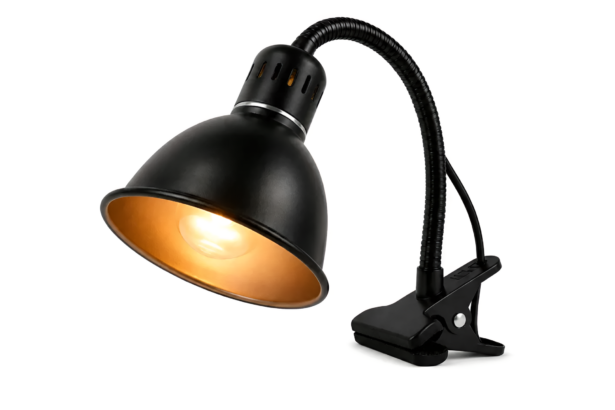
A regular lamp on a timer is the simplest and most effective solution. There’s no need for a special hedgehog-specific light; a standard 60-watt bulb positioned near the cage works well. The key is consistency — the light cycle should be the same every day, not left to chance. A timer eliminates that variable entirely. At night, the room should be dark to allow your hedgehog to be active naturally. Avoid infrared or coloured bulbs near the cage at night, as these can suppress your hedgehog’s willingness to come out and run.
Enrichment: The Finishing Touch
A wheel and a hideout cover the physical basics. Enrichment takes the setup from functional to genuinely good. Hedgehogs are natural foragers and explorers, and a cage that gives them nothing to investigate quickly leads to boredom, stress, and repetitive behaviours like pacing. Tunnels are one of the easiest and most appreciated additions — PVC pipes, cardboard tubes, and fabric tunnels all satisfy the natural burrowing instinct. Rotate enrichment items every week or two so the cage always has something unfamiliar to investigate. Hiding a few pieces of food around the cage encourages natural foraging and keeps your hedgehog mentally active during its nightly hours. Our best hedgehog toys and best hedgehog tunnel guides are a good place to start.
Our Top Hedgehog Cage Setup Picks
Best Bedding: Carefresh Small Animal Bedding
Carefresh is the most widely recommended paper-based bedding in the hedgehog community, and it earns that reputation. Made from reclaimed natural fibre, it’s highly absorbent, nearly dust-free, and effective at controlling odour — three things that matter enormously in a setup where spot cleaning is a daily task. The natural unbleached version is the safest choice; the dyes used in coloured varieties are unnecessary and introduce variables that don’t belong near a hedgehog’s sensitive respiratory system. At 2 to 3 inches of depth, Carefresh holds its structure well without compressing flat overnight.
Best for: Most owners, especially beginners. Widely available, safe, and reliable.
Watch out for: Dust levels can vary slightly between production runs. If your hedgehog sneezes more than usual after a fresh bag, try a different batch or switch to a pellet-style substrate.
Best Wheel: Wodent Wheel Senior (11-inch)
The Wodent Wheel Senior is the most consistently recommended wheel in the hedgehog community for good reason. Its enclosed running surface has no exposed axle or crossbars, dramatically reducing the risk of toe and leg injuries. The partial front panel keeps bedding from flying across the cage during a night’s running and gives the wheel a semi-enclosed feel that many hedgehogs prefer. It runs quietly — important when your hedgehog is exercising at 2am — and is straightforward to rinse clean. At 11 inches it sits right at the minimum recommended diameter; if you have a particularly large hedgehog, the 12-inch Niteangel wheel is worth considering as an alternative.
Best for: Any owner who wants a safe, quiet, durable wheel from a brand with a long track record in the hobby.
Watch out for: The entry panel opening is on the smaller side. If your hedgehog is overweight or unusually large, confirm they can enter and exit comfortably before committing.
Best Hideout: Niteangel Small Animal Hideout House
The Niteangel wooden hideout consistently earns praise from hedgehog owners for one straightforward reason: the sizing is right. Many hideouts marketed as hedgehog-suitable are either too small to turn around in or so large they offer no real sense of shelter. The Niteangel hits the balance — spacious enough for your hedgehog to move and settle in comfortably, enclosed enough to feel genuinely secure. The wood is untreated and unscented, which matters for a species with a highly developed sense of smell. It’s affordable enough to replace without pain when it eventually absorbs too much urine to clean properly.
Best for: Owners who want a correctly sized, no-modification-required wooden hideout.
Watch out for: Wood absorbs urine over time. Check it monthly and replace it when it holds odour despite cleaning.
Best Sleeping Bag: Niteangel Hedgehog Sleeping Bag
Many hedgehogs prefer a fabric sleeping bag to a rigid hideout — the enclosed, snug feel more closely mimics burrowing into leaf litter, which is how they sleep in the wild. The Niteangel sleeping bag is made from a tightly woven fleece with no loose loops or fibres that could snag on quills, which is the primary safety concern with any fabric item in a hedgehog cage. It’s machine washable, which matters given that hedgehogs are not tidy sleepers, and the opening is wide enough for easy entry without being so large that it loses its enclosed feel.
Best for: Hedgehogs that ignore traditional hard hideouts or owners who want a softer, warmer sleeping option alongside a rigid hideout.
Watch out for: Inspect the fabric regularly for pulls or fraying. Replace it at the first sign of loose threads.
Best Food Bowl: Emours Small Animal Ceramic Food Bowl
Heavy ceramic bowls are the practical choice for hedgehog food stations, and the Emours small animal ceramic bowl is the one that comes up most often in hedgehog owner communities. It’s weighty enough that most hedgehogs can’t tip or drag it during their nightly roaming, low-sided enough for easy access, and simple to scrub clean without retaining food odours. The smooth glazed interior doesn’t harbour bacteria the way porous plastic can over time. At roughly 4 inches in diameter it’s appropriately sized for a single hedgehog’s daily portion without being so large that uneaten food spreads out and spoils faster.
Best for: Any owner who’s tired of finding their hedgehog’s food bowl flipped and scattered across the cage floor every morning.
Watch out for: Even ceramic bowls can be moved by a determined hedgehog. If yours is particularly active, position the bowl in a corner to limit how far it can be pushed.
Best Heat Source: Fluker’s Ceramic Heat Emitter (60W or 100W)
Fluker’s ceramic heat emitters are widely used in the reptile and small animal communities and are consistently recommended for hedgehog setups. They produce steady, lightless heat that doesn’t interfere with your hedgehog’s day-night cycle — a critical requirement, since even a dim red bulb at night can suppress your hedgehog’s willingness to come out and run. The 60W version is appropriate for most standard cage setups in a normally heated home; the 100W is better suited to larger enclosures or colder rooms. Always pair the CHE with a thermostat — running a heat emitter without one risks overheating your hedgehog, which is as dangerous as it getting too cold.
Best for: Any hedgehog owner as the primary heat source for their cage setup.
Watch out for: The emitter gets extremely hot during use. Ensure your hedgehog has no direct access to it, and always use it in a ceramic-base dome fixture, never a plastic one.
How to Arrange Everything Inside the Cage
How you position items inside the cage matters as much as which items you choose. Divide the cage into zones: food and water at one end, litter box at the opposite end, hideout in the quietest corner, wheel near the litter box since hedgehogs frequently toilet while running. Enrichment items — tunnels, toys — fill the remaining space without blocking the main pathways between zones.
Leave clear pathways throughout. A cluttered cage where your hedgehog has to climb over objects to move between areas is stressful and increases injury risk. Every zone should be accessible without obstacles.
Once your hedgehog has settled into a layout, don’t rearrange things unnecessarily. Hedgehogs build comfort from familiarity. Rotate enrichment items and toys freely — leave the core setup in place.
Conclusion
A well-built hedgehog cage setup isn’t complicated — it’s just deliberate. Every item in there should have a clear purpose, and nothing should be in there simply because it came in a starter kit or looked appealing on the shelf. Get the fundamentals right — safe bedding, a solid-surface wheel, a proper hideout, reliable heating and lighting — and you’ve built an environment where your hedgehog can genuinely thrive rather than just get by.
When you’re ready to tick off every item on the list, our best hedgehog products page has every essential in one place — from bedding and bowls to heating, lighting, and everything in between.