
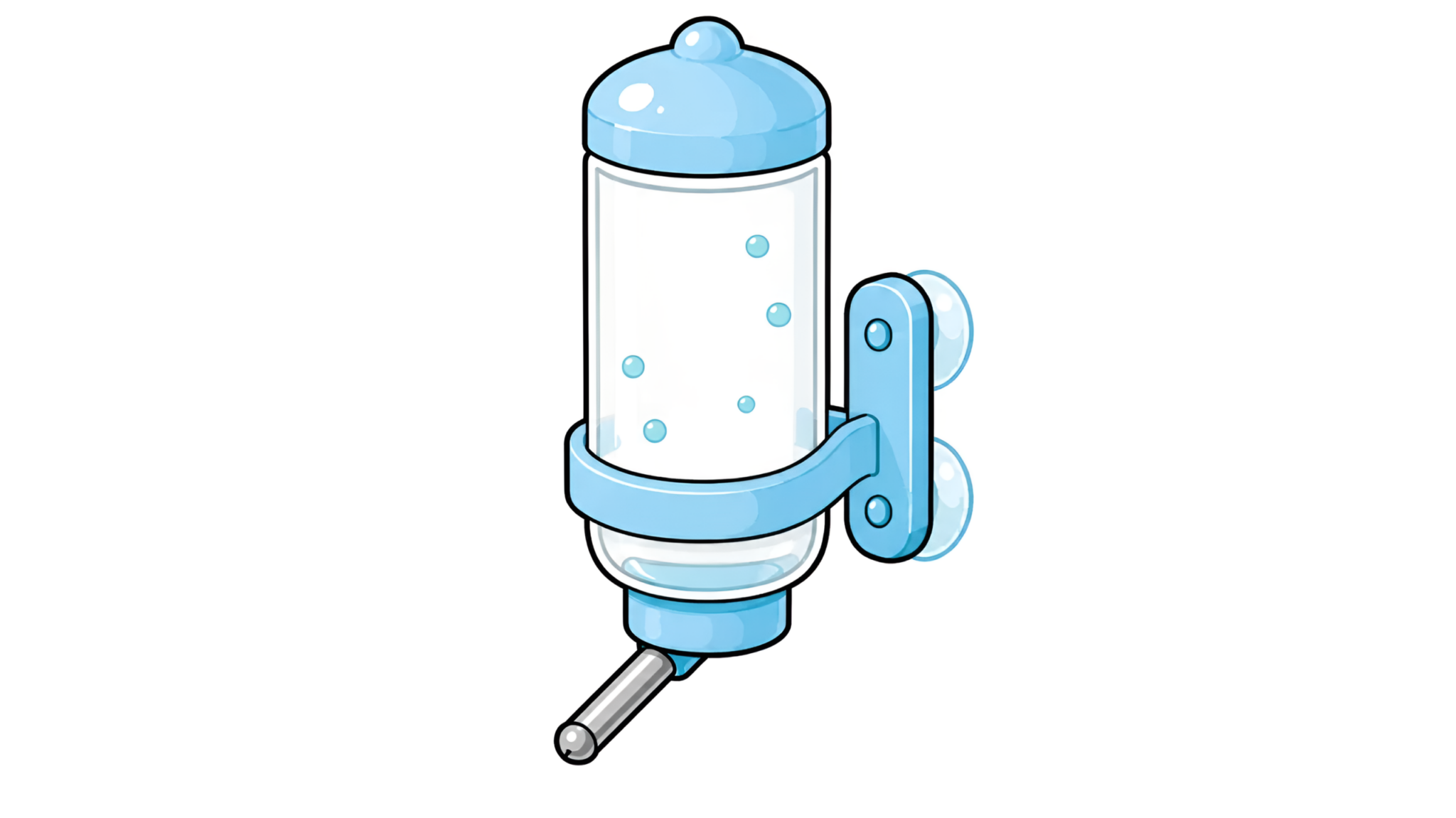
The water bottle versus bowl debate is one of the most persistent in hedgehog care, and it’s worth settling properly rather than glossing over. The vast majority of experienced hedgehog owners, breeders, and veterinarians land on the same side: a heavy ceramic water bowl is the safer, more natural, and more practical option for most hedgehogs. But a water bottle does have a place in specific situations, and if you’re going to use one, the type of bottle matters enormously — because the standard small animal water bottle that lines the shelves of every pet store comes with documented risks that most people buying them don’t know about.
This guide covers the full picture honestly: the problems with traditional sipper bottles, when a bottle makes sense, which bottle design is actually safe, and our picks for every situation. For food bowls to go alongside your water setup, our best hedgehog feeding bowls guide covers that side of the equation.
The Problem with Traditional Sipper Bottles
The standard small animal water bottle — the kind with a metal tube and a steel ball bearing at the tip — was designed for rodents. Rodents have teeth that grow continuously, which means even if they chip a tooth on the metal spout, the tooth regrows. Hedgehogs’ teeth do not regrow. A hedgehog that chips or breaks a tooth on a water bottle spout has a permanent injury — one that makes eating painful, may require veterinary treatment, and can lead to the animal stopping eating entirely out of discomfort.
The ball bearing mechanism itself is the other concern. There are documented cases of hedgehogs getting their tongues caught between the ball bearing and the side of the metal tube, with injuries severe enough to require amputation. The long, thin tongue of a hedgehog — which evolved for catching insects, not operating ball-bearing mechanisms — can slip into the gap and become trapped as the ball reseats. This doesn’t happen to every hedgehog that uses a traditional bottle, and many go their whole lives without incident, but it’s a genuine risk with no upside that justifies accepting it when safer alternatives exist.
Beyond the injury risk, traditional bottles force an unnatural drinking posture. Hedgehogs need to tilt their head back at an awkward angle to reach a cage-mounted tube, unlike rodents whose necks are more suited to this position. And if a hedgehog gets frustrated by the slow, drop-by-drop flow rate that sipper bottles produce, they may start biting and jerking at the spout — the exact behaviour most likely to cause tooth damage.
Millermeade Farm’s Critter Connection recommends switching to a water bowl immediately if you notice your hedgehog chewing or jerking on the metal tip — treating that behaviour as a clear warning sign. The cleaner solution is to start with a bowl and avoid the issue entirely.
Why a Water Bowl Is the Better Default
A heavy ceramic bowl placed in a corner of the cage gives your hedgehog water in the same posture they’d use to drink from a puddle in the wild — nose down, drinking naturally. Hedgehogs lap water from the edge of a pool in the wild, and a low-sided bowl replicates this completely. There’s no ball bearing, no metal spout, no awkward neck position, and no risk of tooth or tongue injury.
The practical concern most people raise about bowls is contamination — hedgehogs do occasionally defecate in their water, kick bedding into it, or tip it over during the night. These are real problems, but they’re solvable. A heavy ceramic bowl placed in a cage corner is significantly harder to tip than a lightweight plastic dish placed in the open. Choosing bedding that doesn’t scatter easily — or using fleece liners that don’t have loose particles to kick around — reduces contamination substantially. And changing the water every morning takes ten seconds. The bowl needs checking daily regardless of which option you use — the only advantage a bottle has is that contamination is less visible, which is not actually an advantage for your hedgehog’s health.
One genuine consideration from Millermeade Farm: some hedgehogs will occasionally inhale water through their nose if they put their snout too deeply into a bowl while drinking. This is uncommon, but it’s worth noting — it’s one reason a bowl with moderate sides rather than a completely flat dish is preferable.
When a Bottle Does Make Sense
There are specific situations where a water bottle is the more practical choice. If your hedgehog came from a breeder who used bottles and has never encountered a bowl, switching can be genuinely difficult — some hedgehogs raised exclusively on bottles don’t recognise a bowl as a water source and can become dehydrated during the transition. In this case, running both a bottle and a bowl simultaneously while your hedgehog learns the bowl is the safest transition strategy: place the bottle nozzle directly over the water bowl for a few days so your hedgehog associates both with water, then remove the bottle once you’re confident they’re drinking from the bowl reliably.
If you’re using a bin cage where bedding contamination of a low bowl is persistent despite your best efforts, or if your hedgehog is a determined bowl tipper that defeats even heavy ceramic, a bottle becomes the practical solution. In those cases, the type of bottle you choose makes all the difference.
The Safe Bottle: Chicken Nipple Design
The solution to the traditional sipper bottle’s problems is the chicken nipple water bottle. Rather than a ball bearing in a metal tube, a chicken nipple uses a small pin-valve mechanism that releases water when pushed — there’s no opening large enough for a hedgehog’s tongue to get stuck, no ball bearing to catch teeth on, and no metal spout to chip against. The flow rate is also faster than a traditional sipper, which means your hedgehog is less likely to get frustrated and start biting at the mechanism. Chicken nipple bottles are available specifically designed for hedgehogs from small exotic pet retailers, and the setup is simple — the bottle mounts to a wire cage or clips to a bin cage, and the nipple hangs at a level where your hedgehog can reach it comfortably without having to tilt their head back at an extreme angle.
Our Top Hedgehog Water Picks
Best Overall: Heavy Ceramic Water Bowl (Kaytee Stoneware, 3-Inch)
The same Kaytee stoneware bowl recommended in our best hedgehog feeding bowls guide is the most practical water bowl choice for hedgehogs — and using the same product for both food and water simplifies both purchasing and cleaning. At 3 inches in diameter it holds a comfortable amount of water without being so large that it takes up unnecessary cage space or is difficult to keep clean. The heavyweight stoneware construction resists tipping, the high-glaze non-porous finish doesn’t harbour bacteria between washes, and it’s dishwasher safe — run it through a wash cycle a few times a week alongside the food bowl. Place it in a cage corner to further reduce tipping risk, position it on the opposite side of the cage from the litter box, and change the water every evening before feeding.
The 2-pack means you always have a clean spare available, which is worth more than it sounds on the nights when you check the water bowl and find it needs an immediate rinse before refilling.
Best Bottle for Hedgehogs That Won’t Use a Bowl: Lixit Critter Brite 8-Ounce Bottle
If your hedgehog was raised on a traditional sipper bottle and won’t transition to a bowl despite your best efforts, the Lixit Critter Brite 8-ounce bottle is the safest traditional-style bottle available and the one Hamor Hollow Hedgehogs specifically stocks for this purpose. It’s BPA-free and made in the USA, with a translucent tinted body that lets you monitor the water level without removing it from the cage and a floating turtle indicator that provides a secondary visual reminder when the bottle is running low. The 8-ounce size is appropriate for a single hedgehog — large enough to last overnight without running dry, small enough that you’re replacing the water completely every day or two rather than topping it off indefinitely.
If you use this bottle, check the tip daily to ensure it hasn’t become clogged with debris, watch closely for any chewing or biting behaviour at the spout, and replace the entire bottle after a year — toxins can leach from plastic bottles as they age. At the first sign of your hedgehog biting at the spout rather than licking it, switch to a bowl or a chicken nipple bottle immediately.
Best Chicken Nipple Bottle: Hedgehog Quencher Chicken Nipple Water Bottle
The Hedgehog Quencher from small exotic pet retailers is the purpose-built chicken nipple bottle for hedgehogs — BPA-free, available in 8oz and 16oz sizes, and designed specifically to mount on wire cages or bin cages with multiple hanging options included. The chicken nipple mechanism eliminates the ball-bearing tongue entrapment risk and the tooth-chip risk of traditional sipper bottles entirely, while still keeping water clean and bedding dry in a way a bowl can’t guarantee in every setup. The transparent body shows the water level at a glance, and the wide-mouth cap makes refilling and cleaning quick. For owners committed to using a bottle who want to do so without the documented risks of traditional designs, this is the right choice.
Position the nipple at a height where your hedgehog can reach it without having to tilt their head back sharply — roughly at nose height or just slightly above when your hedgehog is standing naturally. Run a bowl alongside it for the first week or two to confirm your hedgehog is drinking confidently from the nipple before relying on it as the sole water source.
Conclusion
The right water setup for most hedgehogs is a heavy ceramic bowl, changed daily, positioned in a cage corner away from the litter box. It’s safer, more natural, and requires less daily monitoring than any bottle system. If your hedgehog genuinely won’t use a bowl, a chicken nipple bottle is the safe bottle choice — and a traditional sipper bottle with a ball bearing should be the last option you consider rather than the default one.
For the full feeding station setup, our best hedgehog food guide covers what goes in the bowls, and our best hedgehog products page has everything in one place.