
Origin And History
There are ancient breeds, and then there are breeds so old that their history stretches back past the point where records exist, into a time when the civilizations that used them have themselves become archaeological subjects. The Aksaray Malaklisi sits firmly in that second category. This is a dog that was already guarding flocks and serving in wars before most of the world’s great empires had finished building themselves.
The breed originates from the Aksaray Province in central Anatolia, the heartland of modern Turkey, a region with a history of human settlement and animal husbandry stretching back thousands of years. According to the Aksaray Malaklisi Breed Improvement Association, the breed has a documented history in Anatolia of at least 3,500 years, with roots tracing back to the ancient Sumerians who carried these dogs from Central Asia into the Mesopotamian basin. The Assyrians used them as war dogs over 2,500 years ago, training them to identify and attack enemy soldiers by their unfamiliar armor and clothing while recognizing their own handlers. A dog bred to perform that level of independent threat assessment in a battlefield environment was already something exceptional.
The name itself tells you a great deal about the breed. Aksaray is the province where it was developed and where its breeding centers remain concentrated today. Malaklisi derives from “malak,” a word in the local dialect referring to drooping lips, which is one of the breed’s most physically distinctive features. The full name translates roughly to “the droopy-lipped dog of Aksaray,” a description that is functional, specific, and entirely Turkish in its directness.
For most of its history, the Aksaray Malaklisi was developed not through formal kennel programs but through the selective judgment of skilled shepherds and farmers who understood exactly what they needed from a livestock guardian dog. The Anatolian plateau demanded an animal capable of withstanding extreme temperature swings, confronting wolves and bears without hesitation, covering large distances while maintaining a flock, and operating with near-complete independence from human direction. The breed that emerged from those requirements is one of the largest, most physically formidable livestock guardian dogs in the world.
The Aksaray Malaklisi is sometimes compared to the Kangal, Turkey’s better-known livestock guardian, but the two are distinct breeds. The Malaklisi is generally larger, heavier-boned, broader-headed, and carries the characteristic pendulous jowls that set it apart visually. The Kangal has a curled tail. The Malaklisi carries its tail straight. Their guarding styles and territorial behaviors also differ in ways that experienced handlers recognize immediately.
The Turkish Dog Federation maintains the breed standard today, and limited numbers of dogs are exported annually to countries including Germany, the United Kingdom, the Netherlands, and more recently to markets in China, Brazil, Argentina, and across Africa. International kennel recognition remains absent, and the breed is still largely unknown outside its home region and the communities of working dog enthusiasts who actively seek it out.
Breed Overview
| Trait | Details |
|---|---|
| Breed Group | Livestock Guardian / Molosser |
| Height | Males 75–85 cm (29–33 in) / Females 70–80 cm (27–31 in) |
| Weight | Males 65–85 kg (143–187 lbs) / Females 60–70 kg (132–154 lbs) |
| Lifespan | 10–15 years |
| Coat | Short, dense double coat |
| Colors | Grey with black mask, grizzle, brindle, pinto |
| Temperament | Protective, loyal, independent, intelligent, reserved with strangers |
| Recognition | Turkish Dog Federation |
Appearance And Size
The Aksaray Malaklisi is one of the largest dog breeds in existence, and it carries that size with a presence that is genuinely striking even to people who are accustomed to large dogs. Adult males stand between 75 and 85 centimeters at the shoulder and weigh between 65 and 85 kilograms, with exceptional individuals reaching 97 centimeters and 100 kilograms. Females are somewhat smaller but remain imposing animals by any measure. This is not a dog that goes unnoticed.
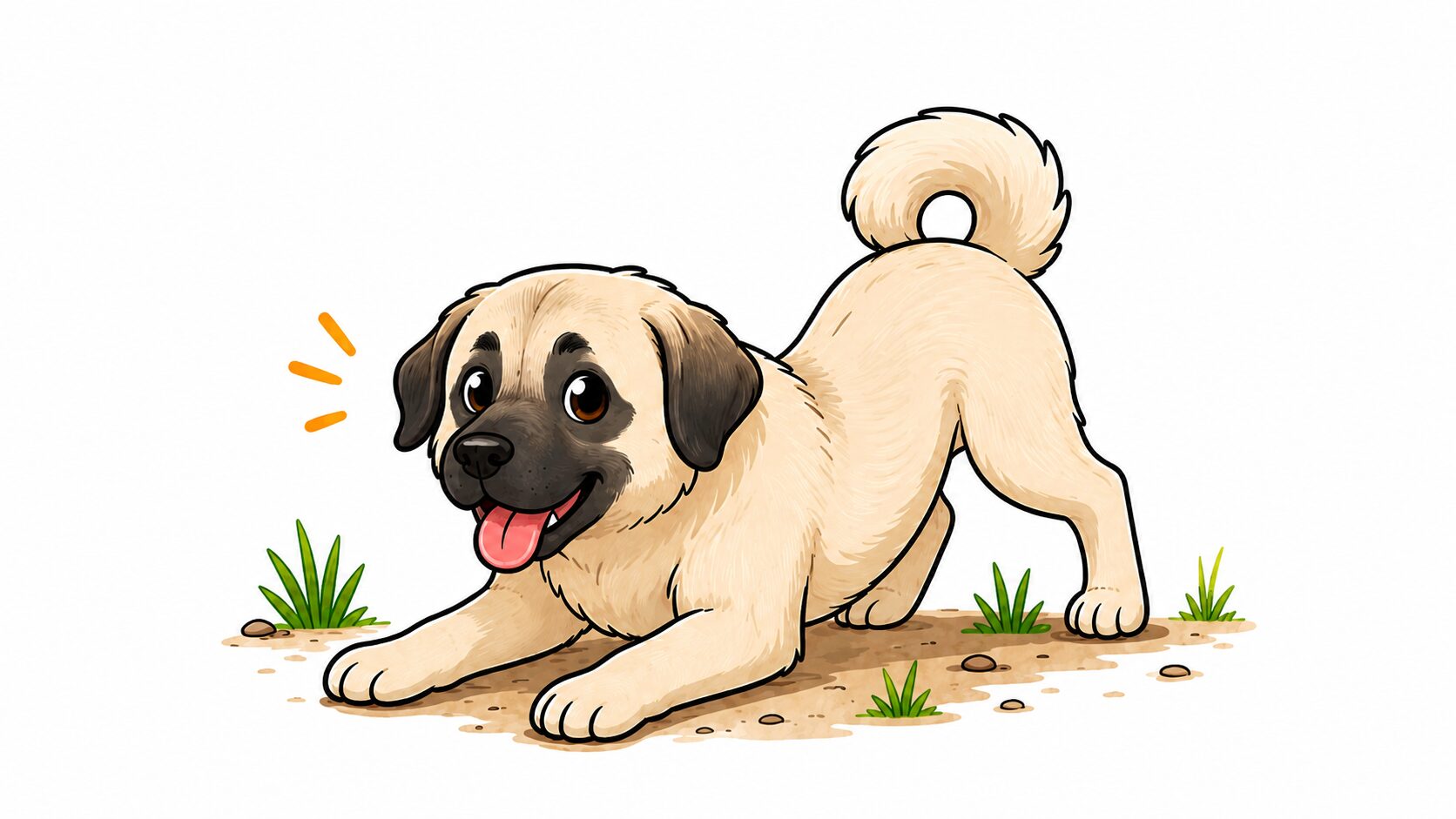
The head is the most distinctive part of the breed’s appearance. It is massive and broad, with a very distinct stop, a short and blunt muzzle relative to the skull, and the pendulous jowls that give the breed its name. The lips droop and hang heavily, the jaw muscles are prominent, and the bite is powerful in a way that reflects the breed’s history of confronting large predators. The ears are large and hang close to the head. In Turkey, the ears are traditionally cropped, though unaltered ears that lie flat against the skull are the natural state.
The body is a study in functional power. Broad shoulders, a deep chest, a muscular back, and heavily boned legs built for both endurance and sudden explosive speed combine into a frame that communicates capability without ornamentation. The coat is short, dense, and weather-resistant, providing practical protection without the maintenance demands of a longer coat. The most common coloring is grey with a black mask, though grizzle, brindle, and pinto patterns also occur. The tail is long and carried straight, sometimes with a slight curl, and is traditionally docked in its homeland though this practice varies outside Turkey.
Housing And Living Requirements
The Aksaray Malaklisi was developed on the open plains and highlands of central Anatolia, working across large expanses of terrain while guarding flocks that could number in the hundreds. Confining this dog to an apartment, a small yard, or any genuinely restricted space is not appropriate and will produce a dog that is stressed, restless, and difficult to manage. A rural property with substantial outdoor space is where this breed belongs and where it functions at its best.
A securely fenced property is an absolute requirement. The Malaklisi has a powerful territorial drive and the physical capability to back it up. A fence that is not genuinely robust will not hold this dog when it decides something on the other side requires its attention. Tall, solid fencing is the practical minimum, and the fence should be inspected regularly given the size and strength of the dog pressing against it.
Inside the home, a settled Aksaray Malaklisi whose working and exercise needs are being met is calm and contained in its behavior. It is not a destructive breed by nature, and it does not seek attention or stimulation in the frantic way that high-energy working breeds sometimes do. It observes, it rests, and it repositions itself periodically to maintain awareness of its territory. A large dog bed placed where the dog can see exits and household activity is both practical and appropriate for an animal that is always, at some level, on watch.
This breed is not suited to households where it will be left without purpose or stimulation for long stretches. It is a working dog in every meaningful sense, and a Malaklisi without a defined role and adequate space to occupy it is not at its best.
Exercise Requirements
The Aksaray Malaklisi is not a high-intensity performance breed that needs to sprint and perform athletic feats daily. It is a long-distance, sustained-movement breed built for covering large areas of terrain steadily over many hours, and its exercise needs reflect that heritage. A minimum of 60 to 90 minutes of daily physical activity spread across multiple sessions keeps the breed healthy and mentally settled.
Long walks on varied terrain are the most natural outlet, and free movement across a large, securely enclosed outdoor space supplements structured walks meaningfully. A dog that has a genuine working purpose, guarding a property or livestock, will meet much of its exercise requirement through that role naturally. For dogs kept primarily as companions, intentional exercise planning becomes more important.
Mental stimulation is as important as physical exercise for this breed. The Aksaray Malaklisi was bred to assess threats independently, make territorial decisions without instruction, and maintain vigilance across large areas. A dog that has nothing to think about will express that deficit in ways that are not convenient for anyone sharing its living space. Scent work and tracking activities engage the breed’s natural detection instincts and can complement daily physical exercise effectively.
During puppyhood and adolescence, high-impact exercise should be limited. Giant breeds put significant stress on developing joints during rapid growth phases, and excessive strain before the growth plates close can cause lasting damage. Low-impact walks and controlled movement on soft surfaces are appropriate for young dogs. Your vet can advise on suitable activity levels as the puppy develops through its growth stages.
Grooming Requirements
The Aksaray Malaklisi’s short, dense double coat is one of the more practically manageable aspects of owning this breed. It does not mat, does not require trimming or professional styling, and does not carry the high-volume shedding of longer-coated breeds. A thorough brushing once or twice a week under normal conditions is sufficient to keep the coat in good condition and manage loose hair. During the seasonal coat changes in spring and fall, more frequent brushing is worthwhile to stay ahead of the increased shedding.
Bathing every six to eight weeks is appropriate for most dogs in normal conditions. The short coat dries relatively quickly compared to longer double coats, which makes the bathing process more straightforward. Dogs that spend significant time outdoors in wet or muddy conditions may need more frequent attention.
The drooping jowls and pendulous facial skin require specific attention that owners of less exaggerated breeds may not be accustomed to. The skin folds around the mouth and face should be checked and cleaned regularly to prevent moisture buildup and skin irritation from developing in the folds. This is a simple routine once established but should not be overlooked.
Standard maintenance rounds out the grooming routine. Nails should be trimmed monthly, particularly for dogs spending significant time on soft ground. Ears should be checked and cleaned weekly. Dental hygiene should be established early and maintained consistently, as dental disease is among the most common preventable health problems in adult dogs of all breeds and sizes.
Diet And Nutrition
Feeding a dog of the Aksaray Malaklisi’s size correctly requires genuine attention and planning. The caloric and nutritional requirements of a dog that can exceed 85 kilograms are substantial, and the quality of the diet has a direct impact on health, coat condition, joint integrity, and lifespan.
In Turkey, traditional breeders follow a specific feeding regimen developed over generations of practical experience. Puppies are breastfed for the first two months of life and then transitioned to a diet that combines dog food, butcher’s offal and fresh meat, barley, eggs, and milk. Breeders maintain that this diet supports optimal size development and reduces the incidence of health problems. Outside Turkey, the most practical equivalent is a high-quality large or giant breed formula with a named protein source as the first ingredient, supplemented where appropriate with fresh protein sources in discussion with your vet.
Most adult Malaklisis do well on two measured meals per day. Two meals rather than one is also a meaningful preventive measure against bloat, a life-threatening condition that is a genuine concern for any deep-chested giant breed. Gastric dilatation-volvulus occurs when the stomach fills with gas and twists on itself, requiring emergency surgery. Feeding smaller meals, avoiding vigorous exercise immediately before and after eating, and using a slow-feeder bowl to reduce eating speed are all practical preventive steps. Monthly food costs for an active adult dog of this size will run considerably higher than for medium breeds, typically between $100 and $150 or more depending on the formula and the individual dog’s size.
Training treats should be high-value and used purposefully, always factored into the daily calorie total rather than added on top of full meals. Weight management is important throughout this breed’s life, as excess weight places serious strain on the joints of an already heavy dog.
Compatibility
The Aksaray Malaklisi is a deeply loyal breed within its own family circle, and it extends that loyalty to whoever and whatever it has been raised to regard as under its protection. With its own people, it is devoted, calm, and affectionate in the measured, dignified way of a dog that takes its responsibilities seriously. With strangers, the shift is immediate and significant. This breed is skeptical and reserved around unfamiliar people by design, and that wariness is not something that socialization eliminates. It calibrates it, it manages it, but the instinct to assess and challenge strangers is fundamental to what this dog is.
With children in the household it has been raised alongside, the Malaklisi can be gentle and patient, displaying the tolerance that large guardian breeds often show toward the children of their family. The breed’s sheer physical size means that interactions with very young children require supervision regardless of the dog’s temperament, as accidental physical contact from a dog of this mass can injure a small child even without any aggressive intent.
With other dogs, the breed typically does not tolerate dogs of the same sex and can be aggressive in those situations. Same-sex pairings in the same household should be approached with extreme caution. With livestock and animals it has been raised to protect, the Malaklisi extends its guarding instinct naturally, which is one of the breed’s most practically valuable qualities in a working context.
A dog crate provides a useful management tool during the settling-in period for younger dogs, giving the Malaklisi a defined, secure space of its own while it establishes its understanding of the household hierarchy and territory.
Behavior And Temperament
The Aksaray Malaklisi operates according to its own internal assessment of any situation, and it has been doing so for thousands of years without needing human approval to trust that assessment. This is not a dog that looks to its handler for guidance on whether something is a threat. It decides independently, and it has the size, strength, and historical track record to back those decisions up. Living with that level of autonomous judgment is one of the most significant adjustments owners of this breed must make.
Within its family, the Malaklisi is a calm, steady, and genuinely affectionate presence. It does not demand attention, it does not perform for approval, and it does not fill a room with restless energy. What it brings is a quiet, constant watchfulness that owners describe as both reassuring and impressive once they understand what they are looking at. This dog is always processing its environment, always cataloging what belongs and what does not.
The territorial instinct is deeply ingrained and always present. Alarm barking is a recognized behavior in the breed, and the Malaklisi’s definition of what constitutes a threat worth announcing can be broader than most suburban neighborhoods would comfortably accommodate. Early socialization is the most effective tool for calibrating that response appropriately, helping the dog develop the judgment to distinguish genuine threats from routine activity in its environment.
This is also a stoic breed that tends not to display discomfort or pain openly. Behavioral changes, shifts in appetite, reluctance to move, or changes in how the dog carries itself are often the first indicators that something is wrong physically. Owners need to pay close attention to these subtle signals rather than waiting for an obvious display of distress that may never come.
Training And Handling
Training the Aksaray Malaklisi requires a combination of experience, patience, genuine respect for the breed’s intelligence, and a realistic understanding of what this dog was built to be. It is not going to become a responsive, handler-dependent working dog of the type that excels at obedience competitions. What it can become, with consistent and thoughtful handling, is a well-managed, appropriately calibrated guardian that functions safely and effectively in the environment it is placed in.
The breed responds only to its primary handler. This is documented consistently across all sources and reflects the breed’s working history. An Aksaray Malaklisi that has bonded to its owner will respond to that person. It does not generalize that response to unfamiliar people, and it should not be expected to. That characteristic is not a training failure. It is the breed doing exactly what it was developed to do.
Positive reinforcement is the only approach that produces reliable results. This is a breed with a strong independent streak and an ancient heritage of making its own decisions. Confrontational training methods, forceful handling, or any approach built on physical correction will not work and will damage the trust relationship that all effective management of this breed depends on. Reward-based methods that respect the dog’s intelligence and make desired behaviors worth its while are where progress happens. High-value training treats provide the motivation that an independent breed requires.
Early socialization beginning in puppyhood is critical. Exposing a young Malaklisi to a wide range of people, animals, environments, and sounds during the developmental window shapes how the adult dog responds to the unfamiliar. A dog that has not been properly socialized becomes increasingly reactive and difficult to manage as it grows into the full physical capability of an adult Aksaray Malaklisi, which is a genuinely serious situation given the breed’s size and strength.
This is emphatically a breed for experienced handlers who have worked with large, dominant, independent dogs before. It is not a dog for first-time owners, and placing one with someone who does not have the knowledge and capability to manage it responsibly creates real risk for both the dog and the people around it.
Health And Lifespan
For a giant breed dog, the Aksaray Malaklisi has a notably long lifespan. Sources document lifespans ranging from 10 to 15 years, with the Turkish Dog Federation and some breed specialists citing the upper range as achievable with proper care and diet. This longevity in a breed of this size is attributed in part to the traditional diet and management practices of Turkish breeders, and in part to the genetic robustness of a breed shaped by centuries of natural selection under genuinely demanding conditions.
Hip Dysplasia Abnormal development of the hip joint is a documented concern in the breed and is the most commonly cited hereditary health condition. It can range from mild to severe and leads to pain, restricted movement, and progressive arthritis. Maintaining a healthy weight throughout the dog’s life, limiting high-impact exercise during the growth phase, and sourcing dogs from breeders who screen their breeding stock for hip dysplasia all meaningfully reduce the risk and impact. Joint supplements are worth discussing with your vet as the dog approaches middle age.
Bloat (Gastric Dilatation-Volvulus) The deep chest of the Aksaray Malaklisi creates significant susceptibility to this life-threatening emergency, in which the stomach twists on itself and requires immediate surgical intervention. Understanding the warning signs, which include unproductive retching, a visibly distended abdomen, and extreme restlessness after eating, and taking practical preventive steps around feeding and exercise timing are essential for any owner of a deep-chested giant breed.
Obesity Given the breed’s size, excess weight places serious and accelerated strain on the joints and cardiovascular system. Portion control, measured feeding rather than free-feeding, and consistent daily exercise are all important throughout the dog’s life.
Skin Fold Irritation The pendulous jowls and facial skin folds that characterize the breed create areas where moisture can accumulate and cause irritation or infection if not kept clean. Regular inspection and cleaning of the facial folds prevents this from becoming a recurring issue.
Routine preventive care throughout the dog’s life provides the foundation for reaching the breed’s full potential lifespan. Regular vet check-ups, up-to-date vaccinations, consistent dental care, and parasite prevention are all important, and heartworm prevention is particularly relevant for dogs spending significant time outdoors.
Price And Availability
The Aksaray Malaklisi is among the rarest breeds a person can realistically attempt to acquire outside Turkey, and the process of obtaining a genuine, well-bred specimen requires considerably more effort than finding a more widely distributed breed. Reports suggest that only a small number of qualified breeders export dogs internationally, releasing approximately 100 puppies per year to buyers outside Turkey. Buyers are vetted, and the best examples of the breed are selected for export, which means the acquisition process is as much about the breeder approving the buyer as the reverse.
Pricing within Turkey reflects the breed’s working value and the cost of raising dogs of this size on a traditional diet. Puppies in Turkey are sold at prices that can reach significantly higher for mature, trained adults. For buyers outside Turkey, the cost of a puppy from a legitimate source can reach $2,000 to $4,000 or more, with additional import and transport costs that can be substantial depending on the buyer’s location. Dogs sold at significantly lower prices on online marketplaces without documentation or breeder verification should be approached with serious skepticism, as fraudulent sales of supposed Aksaray Malaklisis are a documented problem.
The Turkish Dog Federation maintains the breed standard and is the most authoritative starting point for anyone seeking verified information about legitimate breeding programs. Demand for the breed has grown steadily in Europe, South America, and parts of Asia, which has unfortunately also grown the market for misrepresented mixed-breed dogs sold as purebred Malaklisis. Breeders in Turkey note that genuine Aksaray Malaklisis can be identified by specific physical markers including white ankles, a larger head structure, and the characteristic droopy eyelids, features that distinguish them from hybrid animals sometimes sold under the breed name.
Annual ownership costs beyond the purchase price are among the highest of any breed given the food requirements of a dog that may exceed 85 kilograms. Food alone runs $100 to $150 per month for a large active adult. Routine veterinary care for a dog of this size, any specialist treatment for conditions like hip dysplasia, and the infrastructure required to properly house and contain this breed all add significantly to the annual total.
Conclusion
The Aksaray Malaklisi is not a breed you stumble across at a local shelter or pick up on a whim because the pictures looked impressive. It is one of the oldest, largest, and most independently minded livestock guardian dogs on earth, shaped by thousands of years of working in conditions that demanded genuine capability rather than appearance. For the right owner on the right property, with the experience, space, and commitment this breed genuinely requires, it is a remarkable animal that earns its reputation as the Anatolian Lion in every practical sense. Get properly equipped before taking on a dog of this scale. Our Best Dog Products page covers everything you need for giant working breeds that demand serious resources, serious space, and serious ownership from day one.