
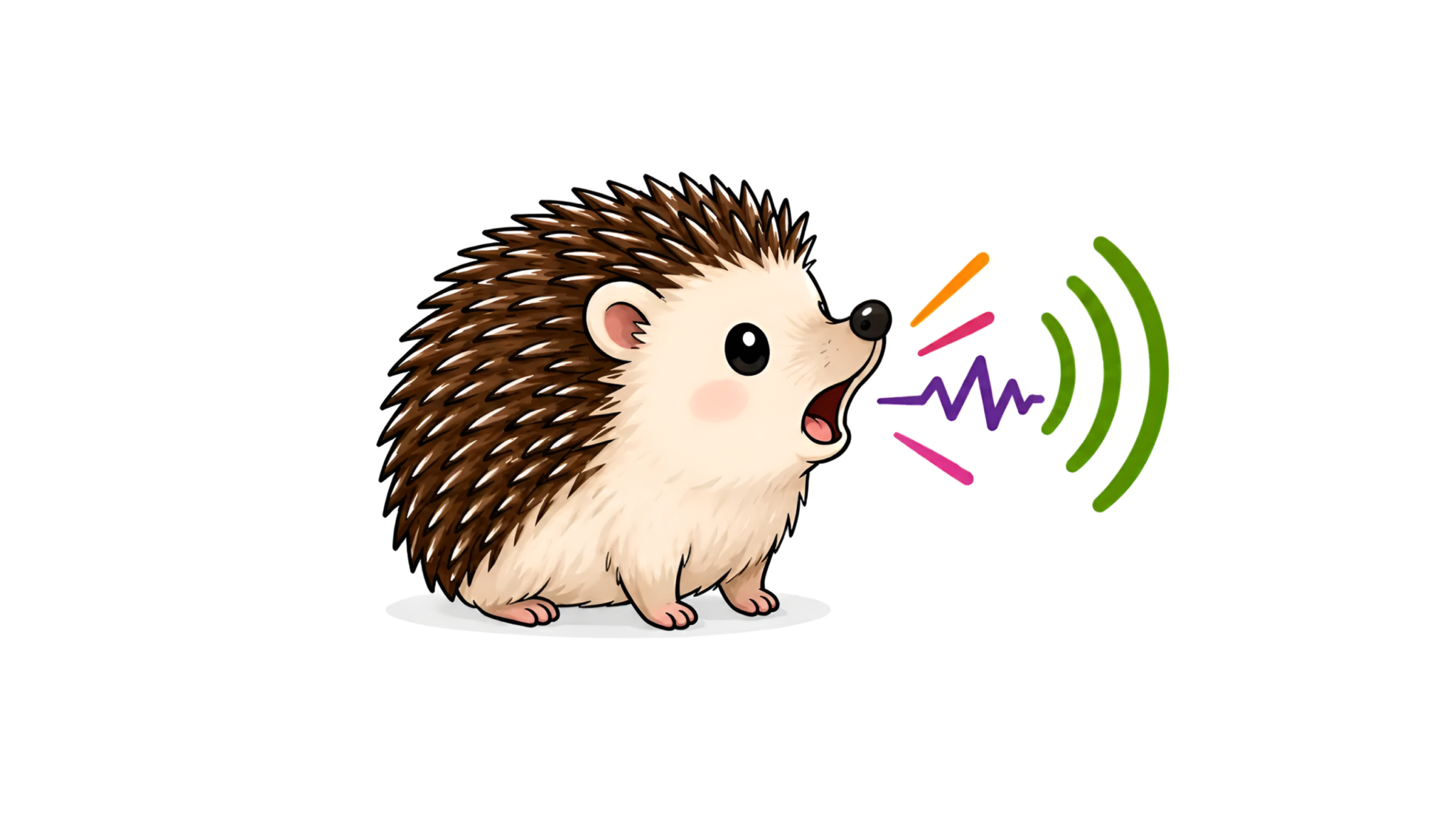
One of the more surprising things new hedgehog owners discover is just how vocal these animals are. Hedgehog sounds range from soft purring to blood-curdling screams, and learning to read them makes an enormous difference in how well you understand your pet. Some sounds signal contentment, some signal danger, and a few are medical red flags you should never ignore. Here’s a complete guide to what every hedgehog sound actually means.
Why Understanding Hedgehog Sounds Matters
Hedgehogs can’t tell you when something is wrong, when they’re happy, or when they need space. Their vocalizations are one of the primary ways they communicate their emotional and physical state, and once you learn to distinguish them, you’ll have a much clearer picture of what your hedgehog is experiencing at any given moment.
Because hedgehogs are nocturnal and most active when you’re trying to sleep, you’re likely to hear many of these sounds in the dark before you ever see them in action. That makes learning the audio cues even more important — you don’t always have visual context to go on.
Hedgehog Sounds That Mean Everything Is Fine
Grunting And Snuffling
This is the most common hedgehog sound, and it’s the one that earned them the “hog” part of their name. A grunting, snuffling hedgehog is perfectly happy and going about its business — usually foraging, exploring, or investigating a new smell. It’s a low, continuous noise that sounds a bit like a miniature pig rooting around. If your hedgehog is snuffling, leave them to it. They’re content.
Purring
Yes, hedgehogs purr. It’s softer and less pronounced than a cat’s purr, but the meaning is essentially the same. Purring and whistling are sounds of trust and contentment — your hedgehog is comfortable, feels safe, and is relaxed in their environment. You’re most likely to hear this during gentle handling once your hedgehog has bonded with you, or when they’re settled in their favourite sleeping spot. If you’re curious about where hedgehogs sleep and what their resting habits look like, we cover that in detail on its own page.
Chirping And Squeaking
In adult hedgehogs, chirping or squeaking is most commonly heard during mating behaviour, with males making these sounds while courting a female. In hoglets — baby hedgehogs — chirping is a sound of contentment, typically made when they’re nursing or close to their mother. If you hear chirping from a nesting box, it’s usually a sign that babies are present and nursing well — leave the mother alone and avoid disturbing the nest.
Snoring
Hedgehogs snore. Some quite enthusiastically. Snoring during sleep is completely normal and requires no action unless it’s accompanied by other symptoms like laboured breathing or lethargy. A snoring hedgehog is simply a deeply sleeping one.
Clicking
This one can be confusing because sources describe it differently. In many hedgehogs, soft clicking sounds indicate comfort and relaxation — clicking is often a sign that your hedgehog is feeling safe and secure in their environment. However, louder, more aggressive clicking accompanied by head-bobbing is a defensive behaviour — covered below. Context and intensity are everything with this one.
Hedgehog Sounds That Mean Back Off
Hissing
A hissing hedgehog is an unhappy hedgehog. Hissing means they are irritated, feel threatened, or want you — or another animal — to move away. You’ll often hear it when you disturb a hedgehog that’s sleeping, when they’re startled, or when they encounter something unfamiliar that puts them on edge. It’s a warning, not an attack — but it should be respected. Give them space and let them settle before attempting any further interaction.
If your hedgehog regularly hisses during handling, it’s often a sign that they haven’t fully bonded with you yet. Patience and consistent, gentle handling sessions build that trust over time. Our do hedgehogs bite page covers what to do when your hedgehog is in a defensive mood and how to handle them safely.
Huffing And Puffing
Huffing — short, sharp puffs of breath — is closely related to hissing in meaning. It’s a sound of displeasure and distrust. Puffing often accompanies the hedgehog raising and lowering its quills in a rapid, warning motion, which is their way of making themselves appear more threatening. If you’re handling your hedgehog and they start huffing and puffing, it’s a clear signal to ease off.
Aggressive Clicking
Louder, sharper clicking accompanied by head-bobbing and a jerking motion is a defensive challenge. The hedgehog is effectively trying to head-butt its opponent with its quills and the clicking noise is the audio equivalent of a warning shot. This behaviour is more commonly seen between two male hedgehogs during mating season, but a very stressed pet hedgehog may direct it at a handler. Back off and give them time to calm down.
Hedgehog Sounds That Warrant Attention
Sneezing
An occasional sneeze is perfectly normal — hedgehogs sneeze just like any other animal, usually in response to dust, a tickle in the nose, or something they’ve sniffed. One or two sneezes during exploration is nothing to worry about. However, frequent or persistent sneezing combined with discharge, lethargy, or laboured breathing could indicate a respiratory issue or allergy and deserves a vet visit.
Coughing
Coughing in hedgehogs falls into two distinct categories and the difference matters. A dry, occasional cough is often linked to dusty bedding or a minor irritant in the environment — try switching to a less dusty bedding option. Our best hedgehog bedding page has options that are gentler on hedgehog respiratory systems.
A persistent, wet-sounding cough — sometimes described as similar to a smoker’s cough — is a different matter entirely. This kind of continuous chesty cough can be a sign of lungworm or a respiratory infection and requires prompt veterinary attention. Don’t wait to see if it clears up on its own.
Hedgehog Sounds That Are Medical Emergencies
Screaming
A hedgehog scream is unmistakable. It sounds remarkably like the cry of a distressed human infant — loud, high-pitched, and deeply unsettling. This sound is only made by hedgehogs experiencing severe distress or significant physical pain. If you hear your hedgehog scream, investigate immediately. They may be trapped, injured, or in acute pain. This is not a sound that resolves on its own.
For pet hedgehogs, screaming during handling can occasionally indicate that something is physically wrong — a foot caught in something, quills being pulled, or an underlying injury that’s been aggravated. Even in cases where the cause seems minor, a hedgehog that screams during routine interaction deserves a proper look-over.
The Mating Chuff
Worth mentioning separately because it’s so distinctive: during mating season, you may hear a chuffing noise that sounds remarkably like a miniature steam train. This sound is primarily made by the female as the male circles her — it’s thought to be a way of discouraging unwanted suitors. It’s most commonly heard in gardens in late spring and early summer. If you keep male and female hedgehogs and hear this sound, it’s a sign that mating behaviour is underway.
Reading Your Hedgehog’s Sounds In Context
Sound rarely tells the whole story on its own — body language fills in the rest. Combining what you hear with what you see gives you a much more accurate read on your hedgehog’s state. A hedgehog that is clicking while curled into a tight ball with raised quills is in defensive mode. The same clicking sound from a relaxed hedgehog exploring their enclosure means something very different.
The more time you spend with your hedgehog, the more fluent you become in their particular vocabulary. Every hedgehog has slightly different tendencies — some are naturally more vocal than others, some hiss at almost everything when first acquired and settle into silence as they bond. Paying attention consistently is the only way to learn what’s normal for your specific animal, which makes it much easier to notice when something changes.
It’s also worth knowing that hedgehogs have an extraordinary hearing range — they can detect sounds between 250 Hz and 45,000 Hz, well beyond human hearing. That sensitivity means they can become stressed by sounds you don’t even register as loud. A calm, quiet environment supports a calmer, less vocal hedgehog overall. You can read more about how smart and perceptive hedgehogs actually are on our dedicated page.
Conclusion
Hedgehog sounds are a language worth learning. From the cheerful snuffling of a hedgehog on the hunt to the unmistakable alarm of a scream, every sound carries information about what your hedgehog is experiencing — and the more fluent you become, the better owner you’ll be. Pay attention to frequency, intensity, and the body language that accompanies each sound, and you’ll quickly build a picture of what your hedgehog is communicating. And for everything you need to create an environment where your hedgehog feels safe, comfortable, and vocal for all the right reasons, our best hedgehog products page has you covered from cage setup to bedding and beyond.