
Origin And Natural Habitat
The Pedregal de San Ángel — a volcanic lava field ecological reserve located within the campus of the Universidad Nacional Autónoma de México (UNAM) in the southern part of Mexico City — is the primary confirmed home of Hemirrhagus chilango. This species forms part of the biodiversity of the Mexico City basin, in particular the Pedregal de San Ángel zone — one of the most extraordinary conservation stories in any city on Earth, where a protected ecological reserve within one of the world’s most populous megacities maintains a genuine native fauna that includes this tarantula.
The common name Chilango Tarantula is a direct and affectionate reference to the colloquial term for residents of Mexico City — chilango being the informal demonym for people from the capital, making this species literally the Mexico City Tarantula in its naming. The Pedregal de San Ángel is a remnant of the Xitle volcanic eruption approximately 2,000 years ago — a rugged, rocky lava field landscape that has been protected within the UNAM campus and maintains a surprising diversity of native plants and invertebrates within a heavily urbanised metropolitan context.
The Mexico City basin at the altitude of the southern UNAM campus — approximately 2,300 metres above sea level on the high central plateau — maintains a temperate, cool climate meaningfully different from Mexico’s lowland tropical zones. Temperatures are mild year-round, with cool winters and warm but not hot summers, and a pronounced wet season from June through October that delivers the majority of annual rainfall. This high-altitude temperate climate gives H. chilango a distinctly cool-adapted character compared to the lowland Pacific coast Brachypelma species that dominate the Mexican tarantula hobby fauna.
Two species inhabit the Pedregal, which are also “university species” because they live in the UNAM Pedregal reserve — Aphonopelma anita hoffmane and Hemirrhagus chilango — a remarkable cohabitation of two theraphosid species within the same protected volcanic lava field reserve on a university campus inside a megacity. The species is occasionally confused with Euagrus mexicanus, a species belonging to the family Dipluridae — a misidentification note that is relevant for any field survey documentation from the Mexico City area.
Scientific Classification
Hemirrhagus chilango belongs to the genus Hemirrhagus — the exclusively Mexican theraphosid genus containing 21 to 22 valid species all endemic to Mexico, distributed primarily from Tamaulipas south to Chiapas in high-elevation areas. The genus carries the unique distinction of being the only known Theraphosinae that lays fixed egg-sacs — a reproductive biology found nowhere else in the subfamily — and possesses type VI urticating setae in most species — straight, barbed hairs pointed at both ends, unique to Hemirrhagus in the entire Theraphosidae family. The World Spider Catalog and iNaturalist confirm H. chilango as a valid Hemirrhagus species.
Species Overview
Hemirrhagus chilango is entirely unknown in the captive hobby — not commercially available, not captive-bred, and not legally collectible from the protected UNAM Pedregal reserve that constitutes its primary known habitat. What makes this species extraordinary is the conservation context that is genuinely unlike any other tarantula on Earth — a species that maintains a wild population inside one of the world’s largest megacities, protected by the ecological reserve status of the UNAM campus rather than by the remoteness that shields most wild tarantula populations from urban encroachment. The Pedregal de San Ángel reserve represents an island of volcanic lava field habitat surrounded by the expanding urban fabric of Mexico City — a situation that makes H. chilango simultaneously one of the most geographically accessible wild tarantulas on Earth for researchers and one of the most strictly protected.
The care guidance here is extrapolated from the formal species information, the documented Pedregal de San Ángel habitat, and the genus-level biology of Hemirrhagus applied to the specific cool, high-altitude temperate character of the Mexico City basin.
Appearance And Size
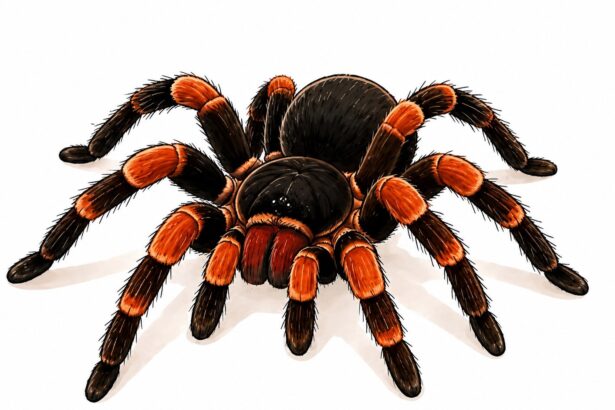
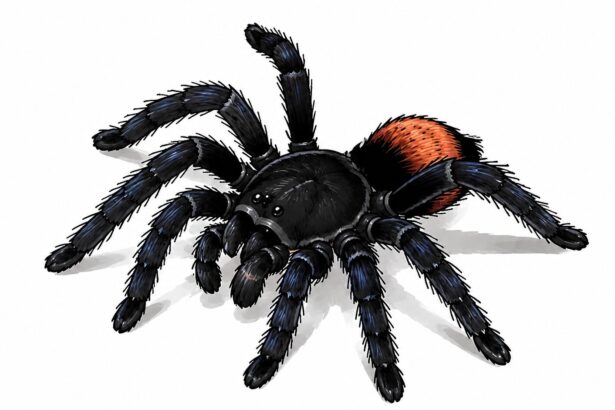
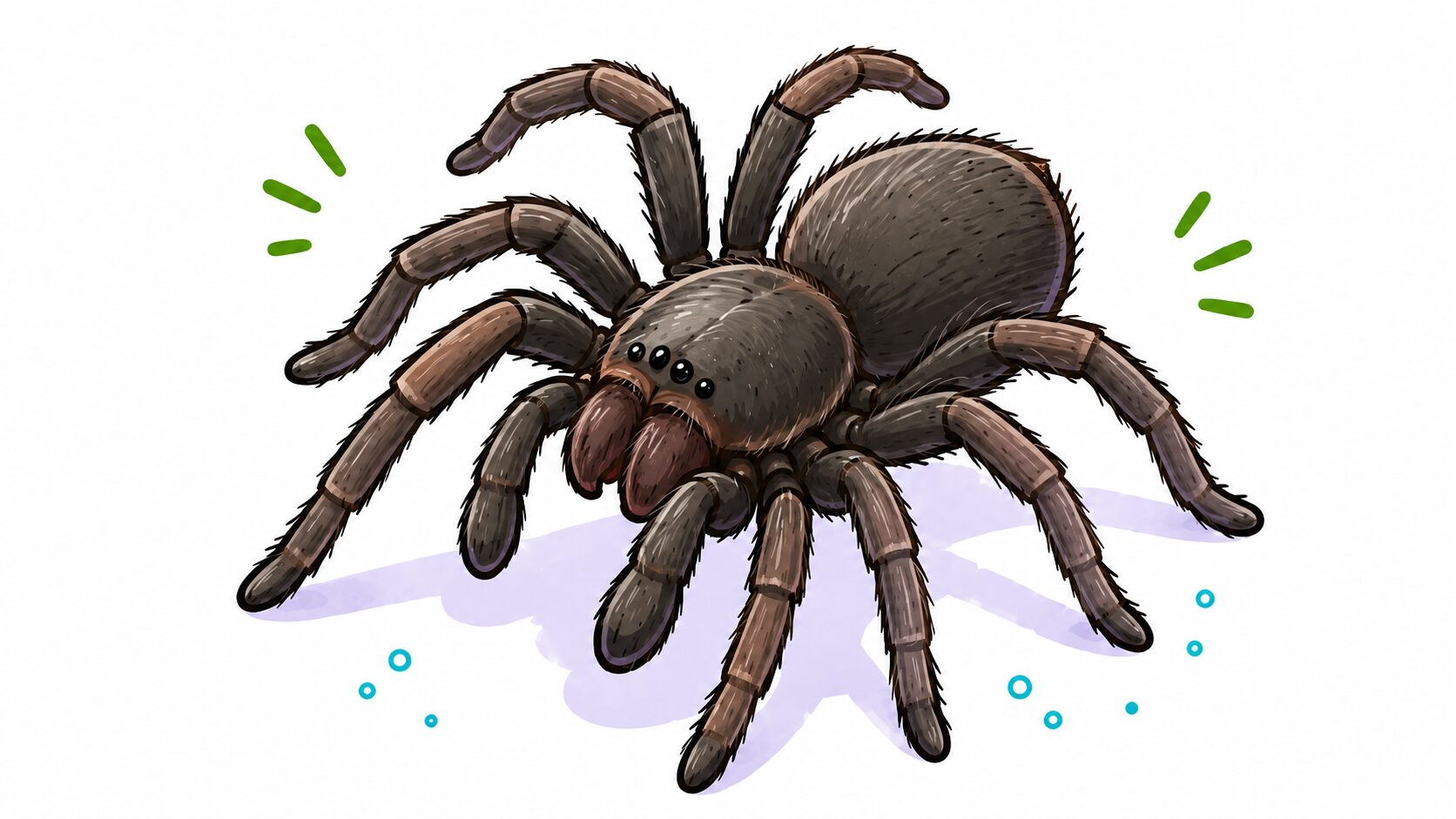
The genus character applies — Hemirrhagus species tend to be shades of brown to black, with the genus-specific type VI urticating setae visible on the abdomen. The general genus size range of 1.9 to 4.72 inches in length encompasses the species. Field photographs from the Pedregal de San Ángel and the adjacent UNAM campus area — the most accessible documentation source for this species — show a brown to dark brown spider with the typical theraphosid terrestrial build adapted to life in the rocky crevices and soil pockets of the Xitle lava field terrain.
Housing
A small terrestrial enclosure appropriate for a cool-adapted high-altitude Mexican species — footprint of 10 by 10 to 15 by 15 centimetres for adults, with 3 to 4 inches of substrate allowing burrowing in the rocky lava field microhabitat soils. The critical care distinction from most Mexican hobby tarantulas is the cool, high-altitude temperate character of the Mexico City basin at 2,300 metres above sea level — a species that cannot be maintained in the warm conditions appropriate for lowland Pacific coast Brachypelma species without chronic stress. The enclosure should be positioned in the coolest available room location away from any heat sources. A latching lid is essential. Our best tarantula enclosure guide covers terrestrial formats appropriate for small cool-climate high-altitude Mexican terrestrial species.
Enclosure’s Decorations
The volcanic lava field character of the Pedregal de San Ángel habitat — a rugged, rocky landscape with crevices and soil pockets among the hardened lava — can be approximated with flat volcanic or cork rocks, cork bark pieces, and soil in the crevice spaces between them. A shallow water dish provides hydration. Minimal additional decoration reflects the sparse, open character of the lava field habitat. Our best tarantula hide guide covers appropriate small rock-like shelter pieces for compact Mexican highland terrestrial species.
Substrate
Three to four inches of moderately moist substrate appropriate for the Mexico City basin high-altitude terrain — a coconut coir and topsoil blend with the moderate moisture retention appropriate for a high-altitude tropical plateau that receives meaningful wet-season rainfall. The pronounced Mexico City wet season from June through October delivers the majority of annual moisture, with the dry season from November through May producing significantly drier surface conditions — a cycling moisture approach reflecting the seasonal character of the high plateau climate is more accurate than consistently moist or consistently dry substrate. Our best tarantula substrate guide covers appropriate blends for cool high-altitude Mexican plateau terrestrial species.
Water And Humidity
A shallow water dish at all times, refreshed every two to three days. Moderate humidity of 60 to 70 percent is appropriate for the Mexico City basin high plateau climate — more moderate than the cloud forest humidity appropriate for H. benzaa from Oaxaca’s cloud forests, and significantly cooler and more variable seasonally than the tropical lowland species. A hygrometer confirms actual conditions, and a misting bottle handles targeted moisture additions during the wet season phase.
Heating And Temperature
The Mexico City basin at 2,300 metres above sea level maintains a genuinely temperate climate — mild year-round, with the altitude moderating temperatures that would be considerably hotter at lowland latitude equivalents. A captive range of 60 to 72°F is appropriate — cool enough that most temperate indoor environments provide appropriate conditions without supplemental heat, and potentially requiring cooling management in homes that maintain temperatures consistently above 74°F. A thermometer at substrate level confirms actual conditions and prevents accidental overheating of a cool-adapted high-altitude species.
Diet And Nutrition
Appropriately sized invertebrates for the species’ body size within the general genus range of 1.9 to 4.72 inches — small to medium crickets and roach nymphs offered near the burrow entrance at night reflecting the nocturnal hunting lifestyle. The genus-specific type VI urticating setae and the fixed egg-sac reproductive biology unique to Hemirrhagus both contribute to making any future captive experience with this species biologically interesting beyond normal keeper concerns. Remove uneaten prey within 24 hours. Our best tarantula food guide covers feeder sizing for small cool-climate high-altitude Mexican terrestrial species.
Compatibility
Solitary only. The conservation context of this species — a wild population protected within the Pedregal de San Ángel reserve inside Mexico City — makes any captive breeding effort from legitimately sourced specimens genuinely significant. The reserve’s protected status under UNAM and Mexican environmental law means collection of wild specimens requires institutional research permits rather than any commercial collecting activity.
Behavior And Temperament
New World terrestrial with the genus-specific type VI urticating setae — straight, barbed, double-pointed hairs unique to Hemirrhagus whose precise keeper impact is undocumented from captive experience. The field documentation from the Pedregal reserve records a terrestrial species inhabiting the rocky crevices and soil pockets of the volcanic lava field — a habitat that suggests a retreat-focused lifestyle consistent with the fossorial Hemirrhagus character broadly. Standard New World terrestrial caution applies.
Handling
Not recommended given the absence of any keeper documentation and the unique type VI urticating setae whose practical human skin impact has not been characterised from captive experience. Venom is presumed medically insignificant to healthy humans as a New World species.
Health And Lifespan
Essentially unknown from captive records. Based on the genus character and the high-altitude temperate climate of the Mexico City basin, females likely live 8 to 15 years. The cool temperature requirement is the most critical health consideration — this is one of the highest-altitude confirmed theraphosid habitats in Mexico, and maintaining the species at warm lowland temperatures causes chronic stress. Our tarantula dehydration article covers dehydration concerns for cool-climate high-altitude Mexican plateau terrestrial species.
Price and Availability
Hemirrhagus chilango is not available in the captive hobby — not commercially bred, not legally collectible from the protected Pedregal de San Ángel reserve, and entirely absent from vendor listings. Its conservation significance — a tarantula persisting inside one of the world’s largest cities in a protected volcanic lava field reserve on a university campus — makes it one of the most ecologically remarkable and most protected tarantulas in Mexico, regardless of its complete absence from commercial availability. The appropriate engagement with this species is through supporting conservation of the Pedregal de San Ángel reserve and the UNAM ecological research programmes that document and study it. Everything needed to provide appropriate cool high-altitude conditions for any small Mexican plateau terrestrial species is on our best tarantula products page.