
Origin And Natural Habitat
High in the mountains of Costa Rica, where clouds settle permanently into the forest canopy and temperatures rarely climb above what most people would consider comfortable for a tropical animal, Abdomegaphobema mesomelas occupies one of the most distinctive and demanding habitats of any tarantula in the hobby. The cloud forests of the San José, Alajuela, and Guanacaste provinces of Costa Rica are environments defined not by heavy rainfall in the conventional sense, but by persistent mist, dense vegetation, and consistently cool temperatures where daytime highs in summer rarely exceed the low to mid 20s Celsius. At night, temperatures drop further, regularly dipping toward 15°C or below. This is the thermal reality the Costa Rican Red Leg has evolved to inhabit, and it is the single most critical and most commonly ignored aspect of its captive care.
Field observations by researchers and keepers who have encountered this species in the wild describe burrows approximately 60 centimetres deep in the cloud forest floor, with the spiders visible near the entrance at night, foraging actively in the cool darkness. Even females guarding egg sacs have been observed within centimetres of the burrow entrance — indicating that this is not a deeply secretive species in appropriate conditions, but one that becomes reclusive primarily when its thermal needs are not met. The humidity of the cloud forest is high, but it is the cool moving air of altitude rather than the hot steaming moisture of lowland tropical rainforest that defines the microclimate.
Scientific Classification
Originally described by Octavius Pickard-Cambridge in 1892 as Eurypelma mesomelas, the species was later placed in Megaphobema — the same genus as the Colombian Giant Red Leg — which it superficially resembles in the bold contrast of dark body against orange-red legs. In 2023, a comprehensive taxonomic revision of Pamphobeteus and Megaphobema published in the journal Arachnology by Sherwood, Gabriel, Peñaherrera-R., and colleagues erected the new genus Abdomegaphobema for the two Costa Rican cloud forest species formerly placed in Megaphobema, based on distinctions in femoral morphology, genital structures, and stridulation organ anatomy. The genus name combines the Latin abdo (to remove or set apart) with Megaphobema, indicating the separation of these species from the South American genus. The species name mesomelas is Greek for “black in the middle,” referencing the dark central body colouration. Full classification: Kingdom Animalia, Phylum Arthropoda, Class Arachnida, Order Araneae, Infraorder Mygalomorphae, Family Theraphosidae, Subfamily Theraphosinae, Genus Abdomegaphobema Sherwood et al., 2023, Species A. mesomelas (O. Pickard-Cambridge, 1892).
Species Overview
Few tarantulas in the hobby have simultaneously such fervent admiration and such a challenging reputation as the Costa Rican Red Leg. It is genuinely beautiful, genuinely large, and genuinely distinctive — a spider that stops conversations when seen at its best. It is also, historically, a species that has killed far more keeper relationships than it has rewarded them, primarily because its temperature requirements sit firmly outside what most indoor keeping environments provide without deliberate intervention. The blunt reality documented extensively on Arachnoboards is that most specimens die before reaching adulthood in the hobby because keepers fail to provide sufficiently cool conditions. Recent breakthroughs in captive breeding have begun to change the species’ rarity in the US hobby, but it remains an advanced-level species with requirements that demand genuine commitment. For a keeper who can meet those requirements, the reward is extraordinary.
Appearance And Size
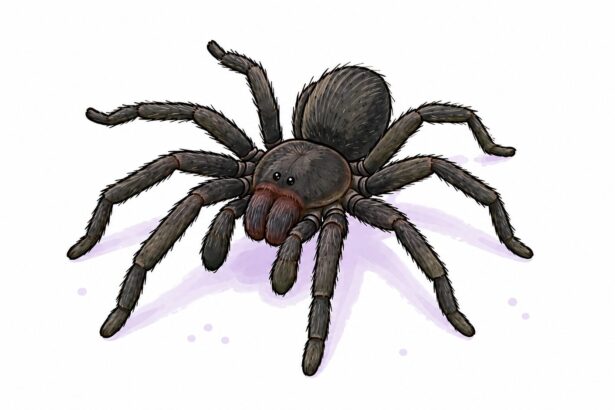
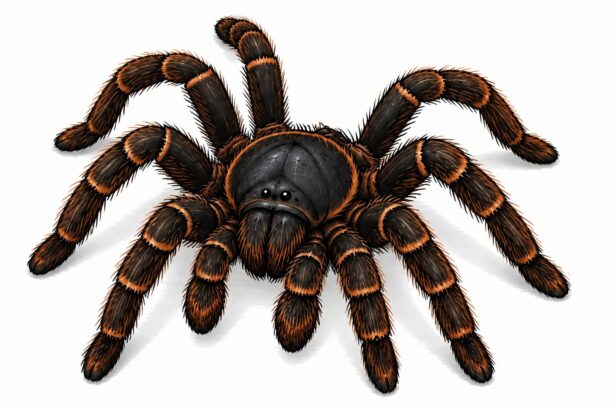
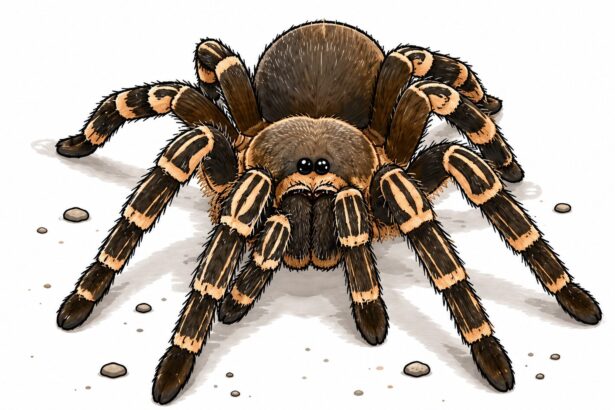
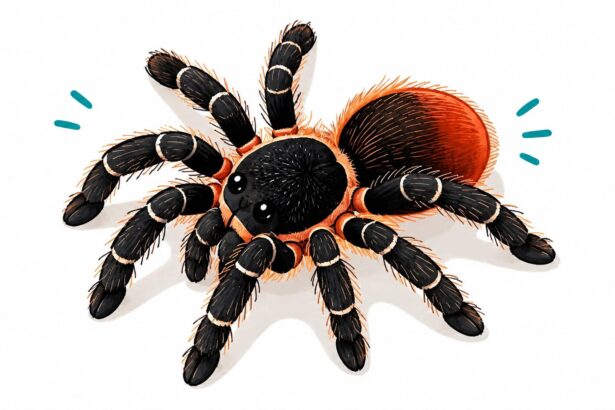
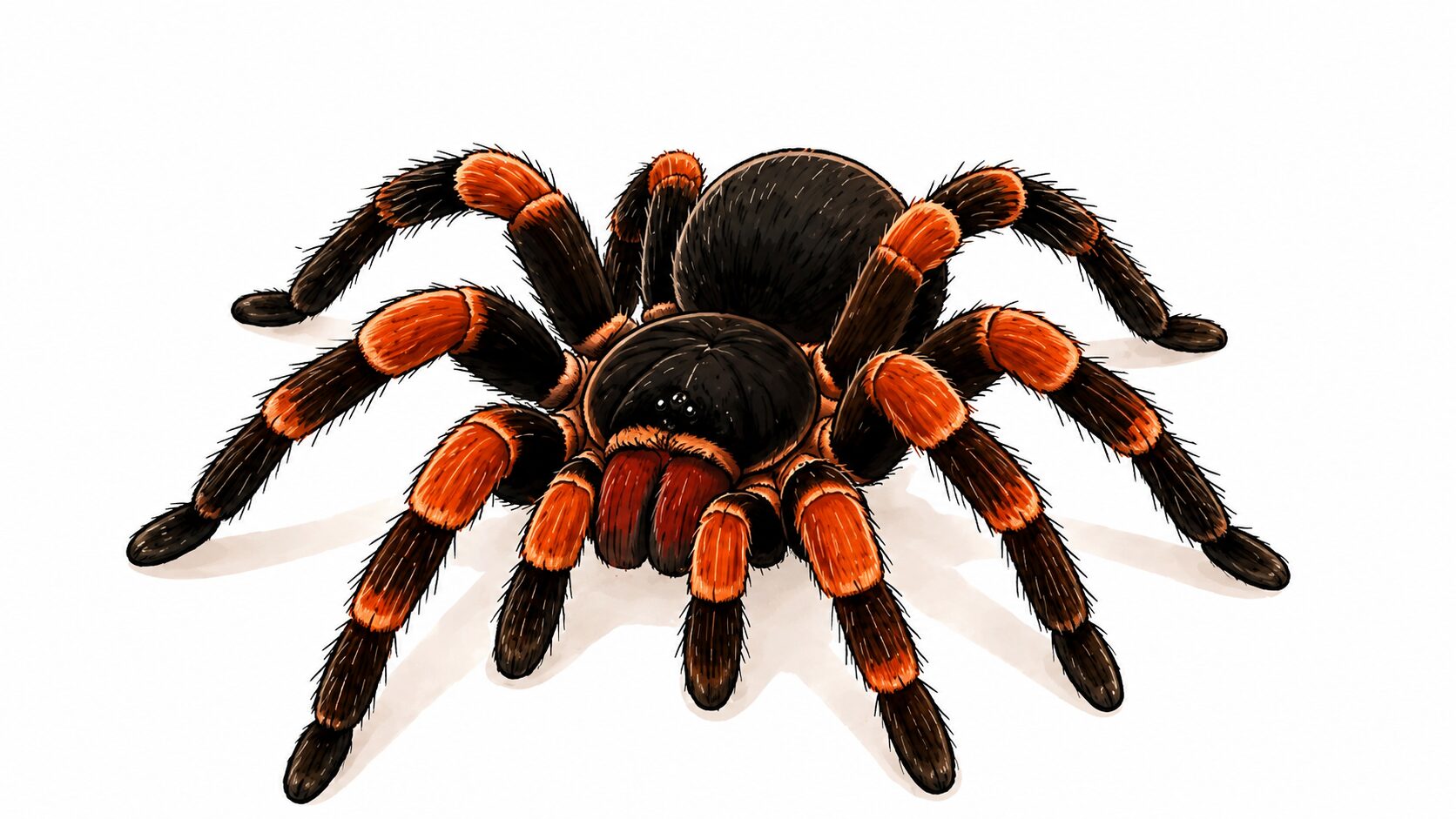
Freshly moulted specimens are the most vivid, and the contrast in that state is breathtaking. A deep, uniform velvet black covers the carapace and abdomen — not the dark brown-black of many large tarantulas but a rich, true black that absorbs light rather than reflecting it. Against this, the legs display bright orange-red colouration along the patellae, tibiae, and metatarsi, with the femurs remaining dark, producing a banding effect that intensifies with each moult toward full adult colouration. Long pale setae overlay the legs. Spiderlings begin with lighter, more muted tones — a brownish base with pinkish-orange feet — and develop the full adult colouration progressively through juvenilehood. As adults approach freshly moulted condition, the black deepens and the orange brightens in a combination that makes this one of the most visually striking large tarantulas in existence.
Adult females reach a diagonal legspan of 6 to 8 inches, with males noticeably smaller. The spinning defensive behaviour shared with its former genus-mate M. robustum is present here too — when threatened, the spider rotates rapidly while kicking its heavily spined rear legs outward, deploying urticating hairs with considerable energy in all directions.
Housing
A terrestrial enclosure with good floor space, adequate substrate depth, and — critically — positioning that allows for cooler ambient temperatures than most tropical species require. The footprint should provide at least three times the spider’s diagonal legspan in every direction, with substrate depth of 10 to 15 centimetres for adults to allow opportunistic burrowing. This is not an obligate deep burrower like some fossorial Old World species, but it does burrow and needs the option. Height above the substrate should be kept modest.
The enclosure positioning within the keeper’s home matters as much as the enclosure design itself. Lower shelves in cooler rooms, a dedicated mini-fridge-style cooling unit for serious keepers in warm climates, or a naturally cool basement or cellar environment are all strategies experienced keepers have employed. If you cannot maintain ambient temperatures of 65 to 75°F year-round, acquiring this species is not advisable. Our best tarantula enclosure guide covers terrestrial formats appropriate for large fossorial species, though the temperature consideration specific to this animal will require keeper-specific solutions.
Enclosure’s Decorations
A hide or partially buried cork bark at substrate level provides a retreat option above the burrowing substrate. The spider will use either, and having both — a cork bark surface retreat and a depth of substrate for tunnel excavation — gives it the full range of natural behaviours. A shallow water dish is essential. Some keepers add live or artificial plants to increase the visual representation of the cloud forest microhabitat and to provide some surface-level humidity anchoring. Our best tarantula cork bark guide covers pieces suited to large terrestrial fossorial setups.
Substrate
The substrate blend needs to hold burrow structure, retain consistent moderate moisture throughout, and support the high-humidity microclimate the spider’s book lungs require underground. Coconut coir and peat moss in roughly equal proportions, with the option of a drainage layer below to prevent standing water, gives both moisture retention and adequate drainage. Unlike arid desert species where only a portion of the substrate is kept damp, A. mesomelas requires consistent moderate moisture throughout the substrate to replicate the perpetually humid cloud forest floor it evolved in. The surface should not be waterlogged — it should feel like damp soil, never muddy — and good enclosure ventilation prevents the stagnant wet conditions that lead to mould despite the moisture requirement. Our best tarantula substrate guide covers moisture-retaining blends appropriate for high-humidity terrestrial setups.
Water And Humidity
A shallow water dish at substrate level should always be present and refreshed every two to three days. Ambient humidity of 70 to 80 percent is appropriate, maintained through the consistently damp substrate combined with adequate enclosure ventilation — the cloud forest is not humid and stagnant, it is humid and breezy, and the captive enclosure should reflect that distinction. Cross-ventilation through lower sides and the enclosure top prevents the stagnant humid air that leads to respiratory stress and mould growth. A hygrometer inside the enclosure confirms actual ambient conditions, and a misting bottle for light periodic spraying of the enclosure walls gives the spider surface water droplets to drink from between dish visits.
Heating And Temperature
This is the section that determines whether a keeper can successfully maintain this species. The target temperature range of 65 to 75°F is not a “cooler than most” preference — it is a strict requirement that reflects the cloud forest altitude environment. Allowing temperatures to climb consistently above 75°F is documented as a leading cause of health decline and death in this species. Most temperate indoor environments sit above this range for much of the year, particularly in summer.
Practical solutions include keeping the enclosure in the coolest room of the house, positioning it at floor level where ambient temperatures are slightly lower, or using a dedicated cooling unit. Do not rely on a standard heat mat for this species — if supplemental heating is ever needed during an unusual cold spell, it should be minimal and tightly controlled by a thermostat. A thermometer inside the enclosure, monitored regularly, is the non-negotiable tool for keeping this animal alive long term.
Diet And Nutrition
A reliable feeder in appropriate conditions. Adults accept crickets, roaches, and other appropriately sized invertebrates every seven to fourteen days. Juveniles can be fed every five to seven days. In poor conditions — particularly elevated temperatures — this species will stop feeding, which is a diagnostic signal that environmental conditions require review before the animal’s health deteriorates further. Pre-moult fasting is the other common cause of feeding refusal; a spider that seals its retreat should be left undisturbed until it reappears. Our best tarantula food guide covers feeder insect options and gut loading relevant to this large, active terrestrial species.
Compatibility
Solitary in captivity, though the field observation that males can cohabit with females for extended periods in nature — with successful mating documented in wild conditions — suggests the species may be tolerant of conspecifics to a degree unusual for tarantulas. Captive breeding requires replicating the cool, humid cloud forest conditions, and females take over 100 days from egg sac formation to spiderling emergence — a notably long incubation period. Keeping the male with the female throughout can be productive for this particular species with appropriate monitoring.
Behavior And Temperament
Observers in the wild describe a species that is visible and active at night near its burrow, which aligns with the captive experience of keepers who provide appropriate conditions — well-kept adults spend time outside the burrow and are genuinely engaging to observe. In poor thermal conditions, the reverse is true, and a spider that is consistently too warm will hide, stop eating, and decline. The spinning defensive behaviour inherited from the former Megaphobema genus placement is present and is the species’ primary active defence alongside urticating hair deployment. It is not an aggressive species in the bite-first-ask-questions-later Old World sense, but it is not reliably handleable either, and its defensive spin with spined hind legs is a meaningful physical risk at full adult size.
Handling
Not recommended as a regular handling species. The combination of adult size, the spinning defensive display with spined rear legs, the urticating hair deployment in all directions during that display, and the general skittishness of juveniles makes handling a high-risk activity for both spider and keeper. The venom is considered medically insignificant to healthy humans. Observation is how this species is best enjoyed.
Health And Lifespan
Lifespan data for captive specimens that have been maintained correctly is still being established, but females in the genus are expected to live many years given their slow growth and the long-lived tendencies of Theraphosinae species broadly. Males live considerably shorter lives. The key health risk is temperature — chronic heat exposure is the documented primary killer of this species in captivity. Secondary concerns are substrate that is too dry (causing dehydration and moulting complications) and air that is too stagnant (causing respiratory stress despite adequate humidity). Meeting all three requirements simultaneously — cool, moist, and ventilated — is the care challenge this species presents. Our tarantula dehydration article covers identification and recovery for dehydration-related health concerns.
Price
The Costa Rican Red Leg has historically been one of the more expensive and difficult-to-source tarantulas in the hobby due to captive breeding challenges and the species’ sensitivity meaning relatively few specimens survive to adulthood in collections. Slings, where available, typically sell for $80 to $150 USD. Juveniles range from $120 to $250 depending on size and sex. Adult females, when they appear, command $250 to $400 or more — a reflection of how rarely they reach that stage in captivity and the long-term value of a potentially decades-long female life if maintained correctly. Recent captive breeding breakthroughs have begun to improve availability, but this remains a premium species. Always source captive-bred specimens only. Everything needed to provide appropriate conditions is covered on our best tarantula products page.