
Origin And History
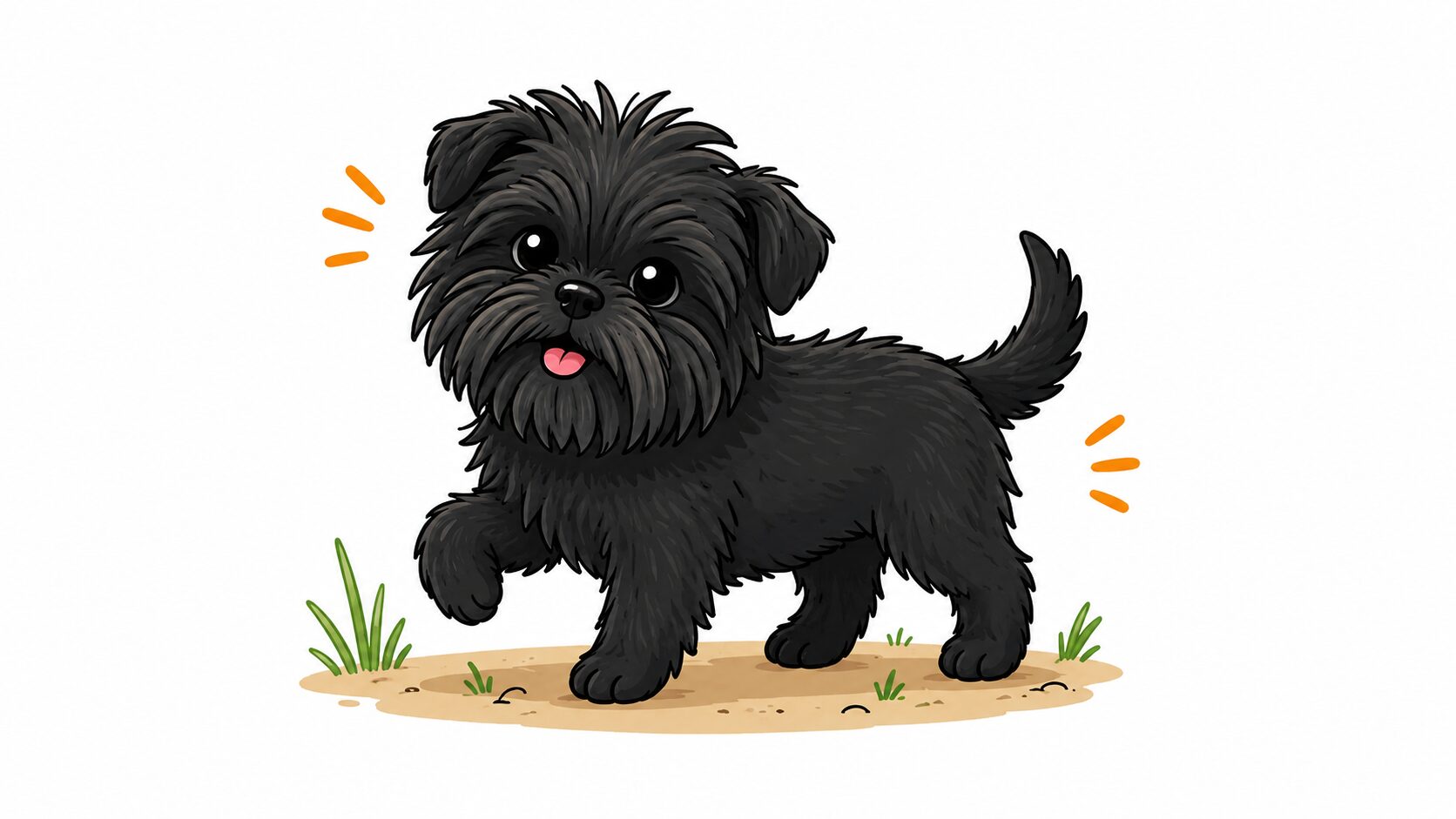
Small in stature but enormous in personality, the Affenpinscher is one of the oldest toy breeds in existence — and one of the most visually striking. The name says it all: “Affen” means monkey in German, and “Pinscher” means terrier. One look at that pushed-in muzzle, bushy eyebrows, and bristling beard, and the name makes perfect sense. In France they took it a step further, calling the breed “diablotin moustachu” — the mustached little devil.
The breed’s roots stretch back to at least the 1600s in Germany, where small wiry dogs were kept in stables and kitchens to deal with rat and mice infestations. During the plague years, these little ratters were moved indoors from the stables, and it didn’t take long before the ladies of the house found them too charming to be strictly working dogs. By the 17th and 18th centuries, a refined version had begun to emerge as a lap companion among German households, though their hunting instincts never really left them.
Early Affenpinschers were likely crosses involving the German Pinscher, Miniature Schnauzer, and Pug, among others, which is partly what gave the breed its distinctively flat face and compact form. The Affenpinscher Club of America notes that by the late 1800s, dedicated breeders in Munich had established bloodlines that formed the foundation of the modern breed. The American Kennel Club recognized the Affenpinscher in 1936, and the breed went on to earn a moment in the spotlight when a dog named Banana Joe won Best in Show at the Westminster Kennel Club in 2013 — introducing the Affen to an entirely new generation of dog lovers.
Breed Overview
| Trait | Details |
|---|---|
| Breed Group | Toy |
| Height | 9–11.5 inches |
| Weight | 7–10 pounds |
| Lifespan | 12–15 years |
| Coat | Dense, wiry, rough-textured |
| Colors | Black, grey, silver, red, black and tan, belge |
| Temperament | Bold, curious, loyal, entertaining |
| AKC Recognition | 1936 |
Appearance And Size
The Affenpinscher is compact, square-bodied, and looks like nothing else in the dog world. Standing between 9 and 11.5 inches tall and weighing 7 to 10 pounds, they are small even by toy breed standards — but there is nothing delicate about the way they carry themselves. They move with confidence and purpose, fully convinced of their own importance.
The coat is dense, wiry, and rough to the touch, and it grows longer around the face to form the breed’s defining feature: a halo of shaggy fur that creates that unmistakable monkey-like expression. Bushy eyebrows, a prominent beard, and a slightly pushed-forward muzzle give the Affenpinscher a permanently quizzical, somewhat mischievous look that matches their personality exactly. The preferred coat color is black, though they also come in grey, silver, red, black and tan, and belge — a mix of red, black, and white hairs that gives a warm, layered appearance.
Their eyes are dark, round, and full of expression. Their ears are small and set high, and their tail is carried upright. The overall impression is of a very small dog with very big ideas.
Housing And Living Requirements
The Affenpinscher adapts well to almost any living situation. They do well in apartments and small homes, making them a practical choice for city dwellers, and their modest exercise requirements mean a yard is not a necessity. What they do need, however, is company. Affens bond closely with their people and do not enjoy being left alone for long stretches. A dog that is isolated and unstimulated will become vocal and possibly destructive.
Because of their short, flat muzzle, the Affenpinscher is a brachycephalic breed, which means they are sensitive to heat. Exercise should be restricted in hot weather, and they should never be left in a warm car or exposed to direct sun for extended periods. Air conditioning during summer months is not optional for this breed — it is a genuine health consideration.
Inside the home they are lively, curious, and thoroughly involved in everything happening around them. A comfortable dog bed in a central spot of the house will suit them perfectly. They are natural watchdogs and will alert you to anything they deem suspicious, which includes delivery people, unfamiliar sounds, and occasionally nothing in particular.
Exercise Requirements
Despite their spirited energy levels, the Affenpinscher’s exercise needs are genuinely moderate. Around 30 to 60 minutes of activity per day is enough to keep them physically satisfied — a couple of short walks and some indoor play time will cover it for most days. They are active little dogs that enjoy a good romp, but they are not demanding in the way larger working breeds are.
Mental stimulation matters just as much as physical exercise with this breed. Affens are intelligent and easily bored, and a bored Affenpinscher will find ways to entertain themselves that you won’t particularly enjoy. Dog puzzle toys are well-suited to them and provide a productive outlet for their busy minds on days when outdoor activity is limited.
One important note: their brachycephalic muzzle means they can overheat quickly and struggle to breathe efficiently during intense exercise. Keep sessions short and watch closely for any signs of labored breathing, especially in warmer weather. Morning and evening walks during the summer are a sensible adjustment.
Grooming Requirements
The Affenpinscher’s wiry coat looks like it requires a lot of upkeep, but in practice it is fairly manageable with a consistent routine. Brushing two to three times a week with a pin brush prevents mats from developing and keeps the coat looking tidy. The face in particular benefits from regular attention — food and debris tend to collect in the beard and facial hair, so a quick daily wipe around the muzzle is a good habit to build.
The most important aspect of Affen coat maintenance is hand-stripping, which involves pulling dead hair from the root rather than cutting it. This preserves the wiry texture that is characteristic of the breed and should be done every three to four months. Professional grooming is a sensible option for owners who are not comfortable doing it themselves, and sessions typically run every four to six weeks for a full tidy-up.
Beyond the coat, standard small-breed care applies: trim nails monthly, clean ears regularly, and prioritize dental hygiene. Small dogs are especially prone to dental disease, and the Affenpinscher’s compact jaw makes this even more of a concern. Adding a set of dog dental chews to their daily routine is an easy and effective way to support their oral health between professional cleanings.
Diet And Nutrition
Feeding an Affenpinscher is straightforward, but portion control is essential. At 7 to 10 pounds, even a small amount of overfeeding adds up quickly, and excess weight puts strain on their joints and can worsen any existing breathing difficulties. Keeping them lean is one of the most practical things you can do for their long-term health.
A high-quality small breed dog food appropriate for their life stage is the right starting point. Look for a formula with a quality protein source listed first, and choose puppy, adult, or senior versions as appropriate for your dog’s age. Feeding twice daily — morning and evening — in controlled portions is better than free feeding for this breed. Generally, around a quarter to half a cup of food per meal is in the right range for an adult Affen, though your vet is the best person to confirm the right amount for your individual dog.
Training treats are genuinely useful with this breed since they respond well to food rewards, but factor those calories into the daily total. Always seek your vet’s advice before making significant changes to their diet, especially as they move into their senior years.
Compatibility
The Affenpinscher is an excellent companion for adults and older children who understand how to handle a small dog with a big personality. They are loyal, entertaining, and genuinely affectionate with their families — though they tend to form their closest bond with one person in particular. Their bold, confident temperament means they are not shrinking violets, but they are also not aggressive by nature.
Very young children can be a concern, not because the Affen is dangerous, but because they will not tolerate rough handling and are small enough to be hurt by an overly enthusiastic toddler. They will communicate their displeasure clearly and can snap if pushed too far. Households with respectful, older children are a much better fit.
With other dogs they generally hold their own — sometimes too well. The Affenpinscher has a comical tendency to stand up to dogs many times their size without hesitation, which can get them into trouble. With cats and other small animals, results depend heavily on early socialization. Their prey drive is present, though not as intense as some terrier-type breeds. A dog pen can be useful for safe introductions when first bringing an Affen into a home with other animals.
Behavior And Temperament
Living with an Affenpinscher is never boring. These dogs are funny, theatrical, and completely self-assured in a way that makes them endlessly entertaining to watch. They approach life with curiosity and enthusiasm, and they have a gift for clowning around — the breed has historically been used in circus performances, which is not at all surprising once you have spent time with one.
They are alert, confident, and take their watchdog duties seriously. Strangers will be announced. Unusual noises will be investigated. New objects in the house will be regarded with deep suspicion until proven innocent. Despite all this apparent bossiness, they are genuinely warm and devoted to their people, and they thrive on attention and interaction.
One trait worth flagging is their tendency toward possessiveness around food and toys. Resource guarding can be an issue in some Affens, particularly if it is not addressed early. Consistent training and clear boundaries from puppyhood go a long way toward keeping this in check. They are not a breed that does well with ambiguity about the rules — they need to know where they stand.
Training And Handling
The Affenpinscher is intelligent and perfectly capable of learning quickly, but training them requires patience and a sense of humor. They are independent thinkers who do not particularly enjoy repetitive drills. The moment a training session becomes boring, they will simply wander off mentally and start doing something more interesting. Keeping sessions short, varied, and reward-based is the formula that works.
Positive reinforcement is the only effective approach with this breed. Harsh corrections or confrontational handling will make them dig in and become more stubborn, not less. Treats, praise, and play are far more persuasive, and food rewards in particular tend to get their full attention.
Early socialization is important. Exposing an Affen puppy to different people, environments, sounds, and animals from a young age helps prevent the breed’s natural boldness from turning into reactivity or excessive wariness. A set of dog toys for mental enrichment supports cognitive development and keeps their sharp minds occupied between formal training sessions.
Housebreaking can be a test of patience with this breed. Like many small dogs, they have small bladders and require a very consistent schedule. Crate training early on makes the whole process considerably more manageable.
Health And Lifespan
The Affenpinscher is generally a sturdy, healthy little dog with a lifespan of 12 to 15 years. For a toy breed, this is a solid lifespan, and many live comfortably into their mid-teens with proper care. Like all breeds, they carry some hereditary predispositions worth understanding.
Brachycephalic Airway Syndrome — Because of their flat face and shortened muzzle, Affenpinschers can have narrowed airways that make breathing less efficient. This becomes most noticeable during exercise, in heat, or during times of excitement. Symptoms include noisy breathing, snoring, and exercise intolerance. Severe cases can be surgically corrected, and all Affen owners should be aware of the signs.
Patellar Luxation — The kneecap can slip out of place, a common issue in small breeds. Mild cases are often managed conservatively, while more severe cases may require surgery.
Hip Dysplasia and Legg-Calvé-Perthes Disease — Both are conditions affecting the hip joint and can cause pain and lameness. Reputable breeders test for these through OFA certification.
Eye Conditions — Cataracts and other hereditary eye issues have been noted in the breed. Regular veterinary eye exams are a sensible precaution.
Dental Disease — The Affen’s compact jaw means teeth are crowded, which increases the risk of tartar buildup and periodontal disease. Regular brushing and professional cleanings are non-negotiable for this breed.
Starting your dog on joint supplements early is worth discussing with your vet given the breed’s predisposition to joint issues. Choosing a puppy from a breeder who performs OFA health testing on their dogs — particularly for hips and eyes — significantly reduces the risk of inherited conditions.
Price And Availability
The Affenpinscher is a relatively rare breed, and finding a well-bred puppy takes time and research. From a reputable breeder, expect to pay between $1,200 and $3,500, with show-quality dogs from champion lines sitting at the higher end. Given the breed’s rarity, waiting lists are common, and that patience is well worth it compared to the risks of purchasing from an unvetted source.
Adoption is a genuinely worthwhile alternative. Rescue fees typically run between $300 and $600, and adopted dogs often come already vaccinated, spayed or neutered. The Affenpinscher Club of America maintains a breeder referral list and can direct you toward rescue resources — it is the best first stop for anyone serious about the breed.
Ongoing monthly costs — food, routine vet care, grooming, and supplies — typically run between $75 and $170. Grooming is a meaningful part of that, particularly if you use a professional for hand-stripping every few months. Dental care costs are also worth budgeting for given the breed’s predisposition, as professional cleanings are an important part of keeping an Affen healthy long-term.
A responsible breeder will welcome questions, provide health testing documentation, allow you to meet the puppy’s parents, and never sell through a pet store or third-party broker. If the price seems unusually low for a purebred Affenpinscher, that is a reason to look much more closely before committing.
Conclusion
The Affenpinscher is a rare breed in more than one sense — there are not many dogs out there that can match their combination of ancient history, unmistakable looks, and sheer force of personality packed into such a small package. They are not the easiest dogs in the world, and they are definitely not for owners who want a quiet, passive companion. But for someone who appreciates a dog with character, humor, and real devotion, an Affen is extraordinarily rewarding. When you are ready to bring one home, make sure you have everything they need from day one — our Best Dog Products page has everything covered for small breeds with big personalities.