

Hedgehog mites are one of the most common health problems affecting both wild and captive hedgehogs, and they are something every hedgehog owner needs to understand before problems arise. A mite infestation can range from a mild nuisance causing occasional scratching to a severe dermatological crisis with significant quill loss, skin damage, and secondary infections — and the difference between those outcomes is usually how quickly the infestation is recognised and treated. This guide covers everything: what hedgehog mites are, how to identify them, what symptoms to look for, how to treat an infestation safely and effectively, and how to prevent reinfestation. If you want the complete picture on hedgehog health, pair this with our full guide on whether hedgehogs are good pets and our information on hedgehog quills since mites are one of the primary causes of quill problems.
What Are Hedgehog Mites?
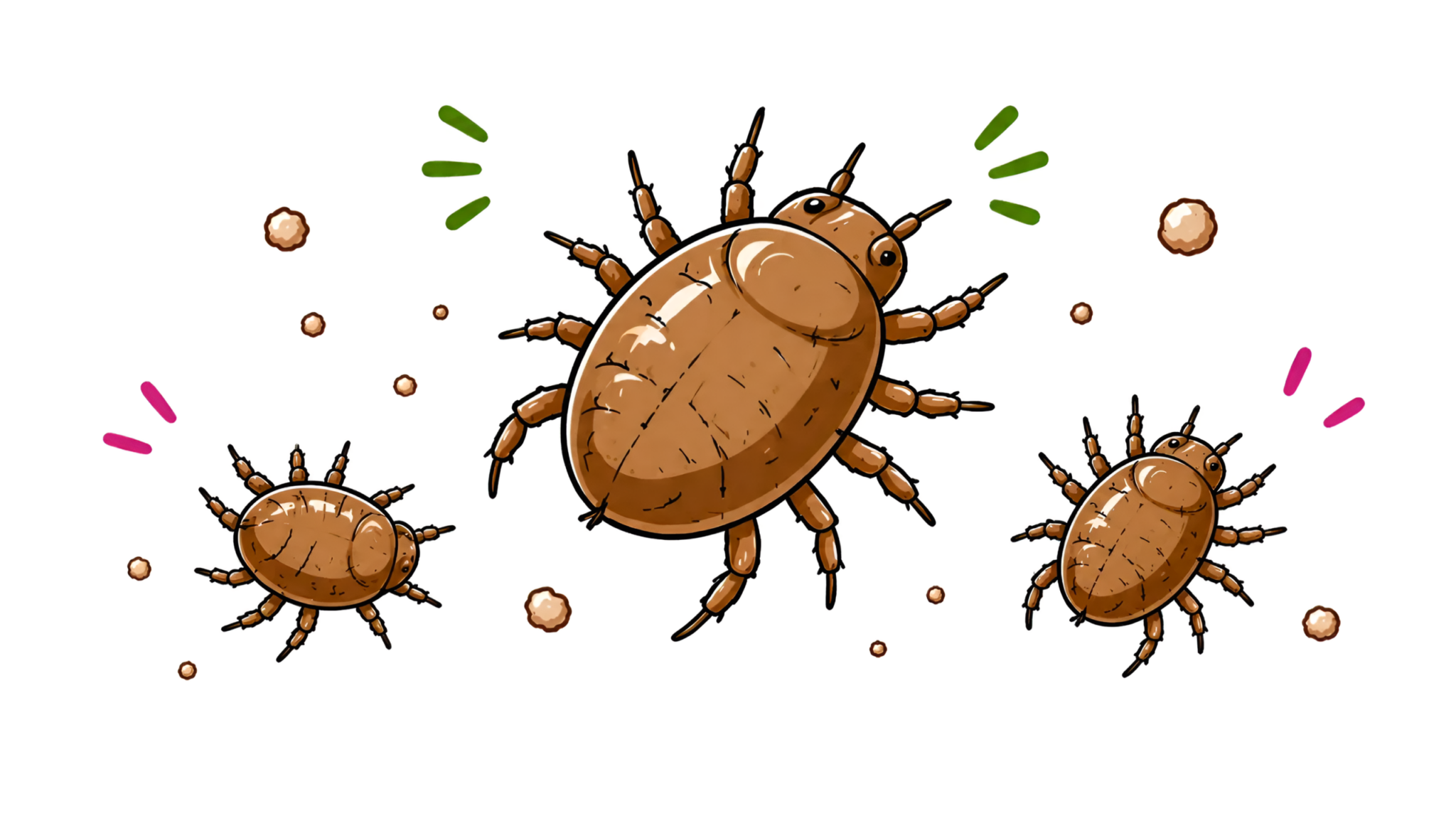
Mites are microscopic arachnids — eight-legged arthropods related to spiders and ticks — that live on or in the skin of their host animal. Several mite species affect hedgehogs, but the most clinically significant and most common is Caparinia tripilis, a sarcoptic-type mange mite specific to hedgehogs. Caparinia tripilis is the hedgehog-specific mite species most frequently identified in pet hedgehog infestations globally.
Unlike generalised sarcoptic mange (Sarcoptes scabiei) that affects many mammal species, Caparinia tripilis is largely host-specific — it primarily affects hedgehogs and does not readily transfer to other animal species or humans, though transient dermatitis from brief mite contact is theoretically possible in humans. This means hedgehog mites do not pose a significant zoonotic risk but are still a serious health concern for the hedgehog itself.
According to research published in Veterinary Parasitology, Caparinia tripilis infestations in captive hedgehogs are widely documented across Europe, North America, and other regions where hedgehogs are kept as pets. The mites live primarily at the base of the quills and in the folds of skin around the face, ears, and legs, where they feed on skin debris and produce allergic reactions that cause the characteristic intense itching.
A second clinically significant species is Notoedres sp., which can cause a more severe dermatological reaction, and various Chorioptes species have also been documented. Your veterinarian can identify the specific mite species through microscopic examination of skin scrapings, which matters because some treatment protocols are more effective against specific species.
How Do Hedgehogs Get Mites?
From bedding. This is the most common route of infestation for pet hedgehogs. Mite eggs can survive in organic bedding materials — particularly wood shavings and certain fibre-based beddings — for extended periods. New bedding from some sources may contain mite eggs that hatch into active mites once in contact with a warm host. This is the explanation for hedgehogs developing mite infestations despite having no contact with other animals. Choosing appropriate hedgehog bedding from trusted, sealed sources reduces this risk.
From other hedgehogs. Hedgehogs that have been housed together or have had physical contact can exchange mite infestations. Wild hedgehogs are frequently infested, and any pet hedgehog that has been in contact with wild individuals or wildlife rehabilitation facilities carries a higher risk. Our article on whether hedgehogs live alone or in groups is relevant here — hedgehogs are generally solitary animals and housing them together creates both social stress and disease transmission risks.
From the environment. Mites can persist in the environment — in cage furniture, in hedgehog accessories, in soil during outdoor playtime — for varying periods depending on temperature and humidity. A thoroughly cleaned and treated cage is important both during and after an infestation to prevent reinfestation from environmental mites. Our guide on how to clean a hedgehog cage covers the full deep cleaning process.
From wild birds. Some research suggests that bird mites can occasionally transfer to hedgehogs that forage in areas frequented by wild birds, though this is a less common route than bedding and direct hedgehog contact.
Symptoms of Hedgehog Mites to Watch For
Mite infestations in hedgehogs produce a characteristic set of symptoms that worsen progressively if not treated. Early recognition is the key to preventing a minor problem from becoming a serious one.
Excessive scratching. This is typically the first and most obvious sign. A hedgehog with mites scratches intensely and frequently — often with a frantic, desperate quality that goes well beyond occasional grooming. You may notice your hedgehog scratching at its face, neck, and flanks repeatedly during periods when it would normally be resting. This scratching is driven by the intense irritation and allergic response to mite presence and mite excretions in the skin.
Quill loss. As the scratching intensifies, quills are dislodged and the skin beneath becomes irritated. A hedgehog with mites will show patches of quill loss — areas where quills have fallen out, often with irritated or scabbed skin visible underneath. It is important to distinguish mite-related quill loss from normal quilling — the natural quill replacement process that young hedgehogs go through at around 6–8 weeks of age. Quilling produces quill loss without significant scratching or skin irritation; mite-related quill loss is accompanied by intense scratching, skin changes, and typically affects older animals who have completed their natural quilling process. Our hedgehog quills article discusses the difference between normal quilling and problem quill loss in more detail.
Skin changes. The skin beneath affected areas shows characteristic changes: dryness, flaking, scaliness, and redness. In more advanced cases, the skin develops a thickened, crusty appearance — sometimes described as resembling dandruff but more severe. The skin around the face, ears, and leg folds is often most severely affected. Crusting around the ears — often yellowish or greyish dried exudate — is a characteristic sign of moderate to severe mite infestation.
Visible mites or eggs. In significant infestations, mites or their eggs may be visible to the naked eye as tiny white or yellowish specks moving slowly at the quill bases. Using a magnifying glass and good lighting, particularly in the thinner-quilled areas around the face and belly, can reveal active mites. If you see moving white specks at the skin level, this is a very strong indicator of infestation requiring immediate treatment.
General decline. A hedgehog with a severe mite infestation may show secondary signs of systemic impact: reduced appetite, weight loss, lethargy, and reduced activity on the wheel. These signs reflect the energy drain and immune stress of chronic mite infestation rather than direct mite pathology.
Secondary infections. The skin damage caused by scratching creates entry points for bacteria and secondary fungal infections, which compound the original mite problem. If the affected skin areas develop weeping lesions, pus, or a strong odour, secondary infection has occurred and veterinary treatment for both the mites and the infection is required.
Diagnosing Hedgehog Mites
A veterinary diagnosis is the most reliable approach, particularly for first-time cases or when symptoms are ambiguous. The veterinarian performs a skin scraping — using a scalpel blade to gently scrape surface cells from affected skin areas — and examines the material under a microscope to identify mites, eggs, or mite excretions. This confirms the diagnosis and, in the hands of an experienced exotic animal vet, can identify the specific mite species present.
Exotic animal veterinarians with experience in small mammals are the most appropriate practitioners for hedgehog health issues. Not all general practice vets have experience with hedgehog-specific parasites, so seeking out a vet with exotic animal expertise is worthwhile, particularly if you are new to hedgehog keeping.
If veterinary access is not immediately available and you are confident of the diagnosis based on classic symptoms — intense scratching, quill loss, scaly skin with possible visible mites — some keepers initiate treatment before a vet appointment. However, a definitive diagnosis and appropriate prescription treatment from a vet is always preferable to over-the-counter solutions.
Treating Hedgehog Mites
Veterinary prescription treatments are the most effective. The most commonly prescribed treatment for hedgehog mites is ivermectin — an antiparasitic medication that effectively kills mites at all life stages. According to the Merck Veterinary Manual, ivermectin administered by a veterinarian is considered the treatment of choice for Caparinia tripilis and related mite infestations in hedgehogs. It can be administered by injection or applied topically, depending on the severity of the infestation and the veterinarian’s assessment.
Selamectin (Revolution/Stronghold) is another commonly prescribed antiparasitic that can be applied topically — a small amount applied to the back of the neck. This is often the most practical option for pet keepers as it does not require an injection.
Treatment is typically repeated two to three times at 2-week intervals to ensure that mites hatching from eggs after the initial treatment are also eliminated, since most antiparasitics do not kill eggs in a single treatment.
Environmental decontamination is essential. Treating the hedgehog without simultaneously treating the environment guarantees reinfestation. When mite treatment begins, the entire cage must be thoroughly cleaned and treated — remove all bedding and dispose of it immediately, clean all cage surfaces, wheels, toys, and accessories with a suitable disinfectant, and replace all bedding with fresh material from a sealed, clean source. Our guide on how to clean a hedgehog cage and best hedgehog cage cleaners cover the appropriate cleaning products and technique. Repeat the full cage clean in parallel with each treatment dose.
Do not use dog or cat flea treatments. Many over-the-counter flea and mite treatments for dogs and cats — particularly those containing permethrin or phenothrin — are highly toxic to hedgehogs and can cause seizures and death even at small doses. Never use any canine or feline antiparasitic product on a hedgehog without specific veterinary guidance confirming it is safe for hedgehog use.
Bathing during treatment. Gentle bathing during the treatment period can help remove crusted skin, mite debris, and egg material from the quill bases and skin surface. A warm shallow bath with mild hedgehog shampoo and gentle scrubbing with a soft brush can be beneficial between treatment doses. Dry thoroughly and immediately after bathing as described in our how to bathe a hedgehog guide — temperature management after bathing is always critical.
Skin care during recovery. Once mites are being eliminated, supporting skin recovery is important. The skin damage from scratching and mite activity needs time to heal. Appropriate hedgehog skin care products — such as vitamin E oil or specific hedgehog skin conditioners applied sparingly to affected areas — can support recovery. Avoid any skin product that contains fragrances, alcohol, or ingredients not confirmed safe for hedgehog use.
Preventing Hedgehog Mite Infestations
Source bedding carefully. Buy bedding from reputable suppliers in sealed, clean packaging. Avoid bulk bins where cross-contamination between batches is possible. Some keepers freeze new bedding for 48–72 hours before use as an additional precaution against mite eggs — cold temperatures kill most mite eggs effectively. Replace bedding regularly as recommended in our best hedgehog bedding guide.
Maintain a clean cage consistently. Regular cleaning of the cage, accessories, and wheel significantly reduces the environmental mite load. Spot-cleaning daily and performing a thorough full clean weekly or bi-weekly keeps conditions hygienic. The hedgehog wheel in particular accumulates faecal material and debris that can harbour mites and bacteria — clean it every few days.
Quarantine new hedgehogs. If you have multiple hedgehogs or are adding a new one to your home, quarantine the newcomer in a separate enclosure for a minimum of 2–4 weeks and monitor closely for mite symptoms before any shared housing or close contact.
Regular health checks. Make a habit of examining your hedgehog’s skin and quills regularly — at least weekly — when you have it out for handling. Early detection of scratching changes or skin abnormalities allows prompt treatment before the infestation becomes severe. A healthy hedgehog should have smooth, supple skin, full quills without significant bare patches, and minimal scratching beyond normal grooming.
Monitor quill health as an early indicator. Changes in quill density or quality are often among the first observable signs of a developing mite problem. Keeping a mental (or physical) note of your hedgehog’s normal quill coverage makes it easier to notice early changes.
Frequently Asked Questions
Can hedgehog mites spread to humans? Caparinia tripilis, the most common hedgehog mite, is largely host-specific and does not readily establish on humans. Transient skin irritation from brief contact is possible but not a significant risk in most circumstances. Maintain standard hygiene — wash hands after handling an infested hedgehog — as a precaution.
Can hedgehog mites spread to dogs or cats? Transient transfer is theoretically possible, but the mites do not establish permanent infestations on dogs or cats. If you have multiple pets, monitor them for skin irritation during the treatment period and consult your veterinarian if you have concerns.
How long does mite treatment take? Most cases resolve with 2–3 treatment doses given at 2-week intervals, combined with simultaneous environmental decontamination. Total treatment duration is typically 4–6 weeks. Severe cases with secondary infections may take longer.
Is quill loss from mites permanent? In most cases, no. Once mites are eliminated and the skin heals, quill regrowth typically occurs over the following weeks to months. Severe infestations with significant skin scarring may result in some permanent bald patches, but this is not typical in cases treated promptly.
How do I know if my hedgehog has mites or is just quilling? Young hedgehogs (around 6–8 weeks of age) go through a natural quill replacement process (quilling) that causes temporary quill loss without significant scratching or skin irritation. Mite infestations cause intense, frantic scratching alongside quill loss and visible skin changes. An older hedgehog quilling outside the normal age window is much more likely to have mites than to be quilling naturally. When in doubt, consult a vet.
Healthy Hedgehog, Happy Life
Mites are a manageable problem when caught and treated promptly — and entirely preventable with good husbandry and careful attention to your hedgehog’s daily condition. A keeper who understands their hedgehog’s normal appearance and behaviour can spot the early signs of a mite infestation quickly and act before the problem becomes serious. For keeper-tested recommendations on every product that supports excellent hedgehog health — from bedding and cage setup to grooming tools, health supplies, and enrichment — Best Hedgehog Products is your complete guide to the best gear in every category of hedgehog care.