
Hedgehog poop is one of the most useful health indicators available to any hedgehog owner, and learning to read it accurately is a genuinely valuable skill. Changes in color, consistency, frequency, and smell often appear in droppings before any other symptom becomes visible — making regular observation of your hedgehog’s waste an important part of proactive health management. This guide covers what healthy hedgehog poop looks like, what every color and texture variation means, why hedgehogs produce so much of it, where it ends up, and how to keep your hedgehog’s habitat clean and hygienic.
What Does Normal Hedgehog Poop Look Like?
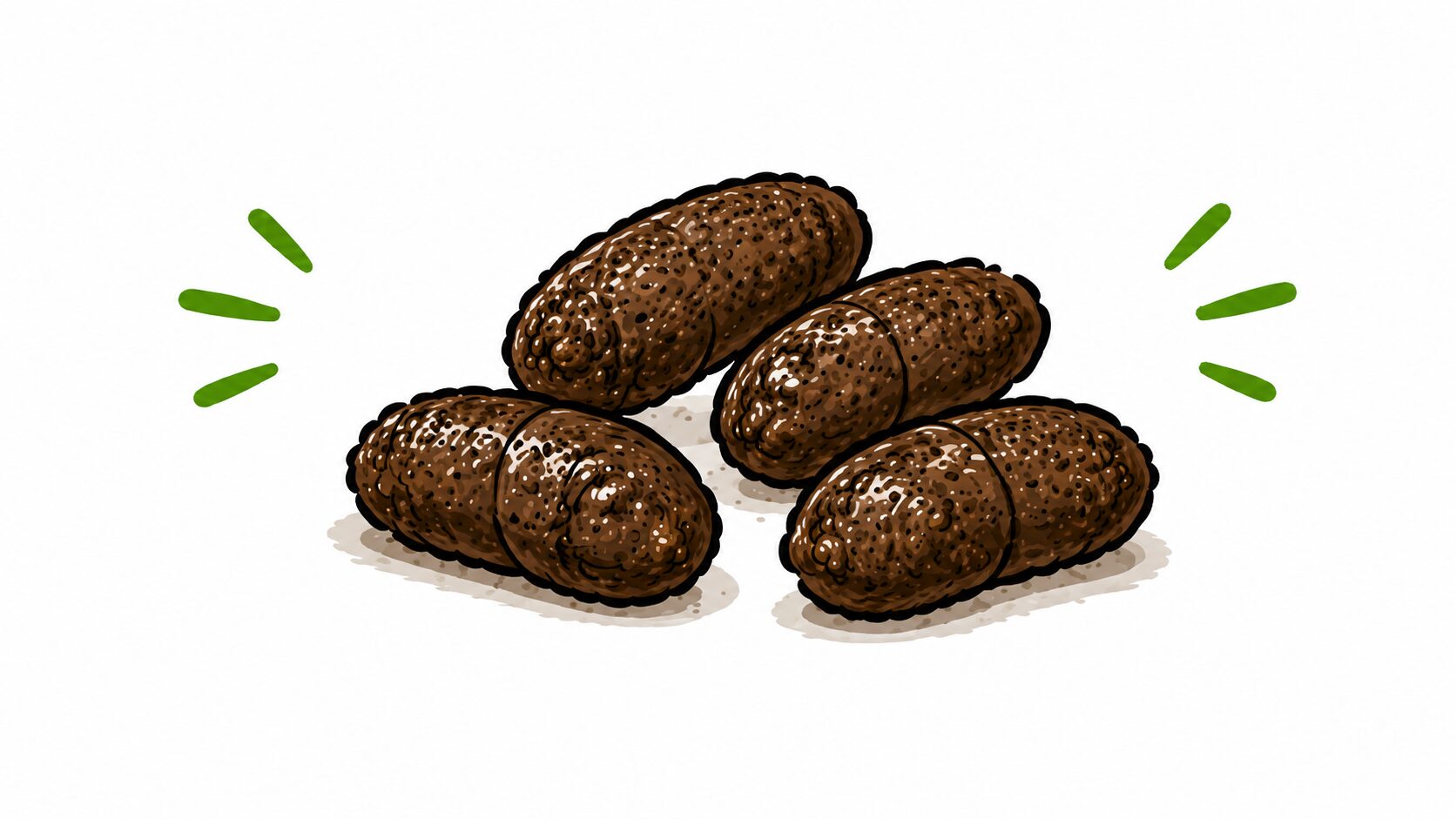
Healthy hedgehog poop is firm, cylindrical, and dark brown in color — typically similar in appearance to a small, dark sausage-shaped dropping. The color should sit somewhere in the brown spectrum, ranging from medium brown when the hedgehog has eaten primarily dry food to darker brown or near-black after a meal heavy in insects or earthworms. The texture should be consistent and hold its shape rather than being liquid, overly soft, or crumbly.
Normal hedgehog droppings have a noticeable smell — these are not odor-free animals — but the smell should be relatively contained and not overwhelmingly pungent beyond what you would expect from any small insectivore. A sudden dramatic increase in odor alongside changes in stool consistency is worth paying attention to.
According to the Association of Exotic Mammal Veterinarians, monitoring stool quality is one of the most practical health assessment tools available to small exotic mammal owners, as gastrointestinal changes often precede or accompany a range of systemic health issues. For hedgehogs specifically, stool observation is particularly valuable because hedgehogs are adept at hiding illness — their prey-animal instinct to appear healthy even when unwell means that poop often tells you something the hedgehog’s behavior does not.
How Much Do Hedgehogs Poop?
Hedgehogs poop a great deal relative to their body size — considerably more than most new owners expect. This is partly because they are active nocturnal foragers with a fast metabolic throughput, and partly because their diet of insects, dry food, and supplemental foods moves relatively quickly through a short digestive tract. Wild hedgehogs that travel one to two miles per night foraging are also producing waste continuously along their route — in captivity, all of that waste stays in the cage.
Expect to find multiple droppings every morning after your hedgehog’s active night period. A hedgehog running on its wheel produces waste while it runs — a phenomenon that surprises and dismays many new owners who find the wheel liberally decorated by morning. This is entirely normal and simply means the wheel needs daily cleaning. A quality hedgehog wheel with a solid running surface makes this cleaning manageable.
The volume of waste produced is also a useful indicator of food intake and digestive function. A hedgehog that produces significantly less waste than usual, particularly over multiple days, may be eating less or experiencing gastrointestinal slowing — both of which warrant closer attention.
Hedgehog Poop Colors and What They Mean
Color is the single most diagnostically useful characteristic of hedgehog poop, and understanding the color chart helps owners identify problems early.
Dark brown is healthy and normal, particularly after a diet of insects or high-protein food. The rich dark color comes from the breakdown of insect chitin and protein and indicates normal digestion.
Medium brown is also perfectly healthy and is most common in hedgehogs eating primarily dry cat food or specialist hedgehog food without large amounts of insect supplementation. This is the baseline color most owners see most of the time and requires no concern.
Green hedgehog poop is one of the most common causes of owner alarm — and one of the most frequently misinterpreted colors. Green droppings are most often caused by a change in diet, the introduction of a new food, stress, or bile in the stool due to rapid intestinal transit. Isolated green stools after introducing a new food are generally not cause for serious concern if the hedgehog is otherwise eating and active. Persistent green stools accompanied by lethargy, loss of appetite, or weight loss warrant a vet visit. Green can also indicate a gastrointestinal infection in some cases, which is why persistence matters more than a single occurrence.
Yellow hedgehog poop is less common and more concerning than green. Yellow stool often indicates liver involvement or significant dietary issues, and persistent yellow droppings should prompt an exotic vet consultation. It can also occasionally appear after introducing strongly colored foods like certain vegetables, though dietary-caused yellow is usually short-lived.
Black tarry hedgehog poop — particularly if it has a very dark, almost pitch-black appearance with a softer texture than normal — can indicate the presence of digested blood in the stool, suggesting bleeding somewhere in the upper gastrointestinal tract. This is a symptom that warrants prompt veterinary attention. Note that hedgehog droppings are naturally quite dark, so the distinction to watch for is a change from the animal’s baseline toward an unusually dark, tarry appearance rather than simply dark brown.
Bright red blood in or on hedgehog poop indicates lower gastrointestinal bleeding — blood that has not been digested and is coming from the large intestine, rectum, or anus. This requires veterinary attention. Causes can include intestinal polyps, tumors, parasitic infection, or rectal prolapse.
White or grey chalky poop can indicate excess calcium in the diet or, in some cases, parasitic infection. Consistent chalky appearance is worth discussing with an exotic vet.
Hedgehog Poop Consistency: What to Watch For
Beyond color, the consistency of hedgehog poop tells you important things about digestive health.
Firm, well-formed droppings that hold their shape are the goal. They should not crumble on contact, but they should not be so hard and dry that they look desiccated — the latter can indicate insufficient water intake.
Soft or mushy stool that does not hold a clear cylindrical shape is a mild concern. Occasional soft stool after a dietary change, after eating too much fruit or a high-moisture food, or during periods of stress is not alarming. Consistently soft stool over several days suggests a dietary issue, food sensitivity, or gastrointestinal infection worth investigating. Our article on what hedgehogs eat covers how diet directly affects stool quality, including which foods are most likely to cause loose stools.
Watery diarrhea is a more serious sign. Liquid or near-liquid stool indicates significant gastrointestinal upset and carries dehydration risk, particularly in a small animal. Diarrhea lasting more than 24 hours in a hedgehog requires a vet visit.
Very hard, dry, or pellet-like stool can indicate dehydration or insufficient water intake. Check that water is fresh and easily accessible, and that the hedgehog is actually drinking. Switching from a water bottle to a shallow water dish sometimes helps hedgehogs that are not drinking enough from bottles.
Mucus in or around hedgehog poop is an abnormal finding that often indicates intestinal inflammation or infection. Any poop that appears coated in a slimy, mucous-like substance warrants veterinary attention.
Why Hedgehogs Poop on Their Wheel
One of the most universally encountered hedgehog ownership experiences is discovering that the exercise wheel has become a poop-covered disaster zone overnight. Almost every hedgehog does this to some degree, and it is entirely normal — the physical activity of running stimulates intestinal transit, and the hedgehog simply produces waste while it runs, without stopping to use a designated area.
Daily wheel cleaning is the only effective management strategy. A wheel with a smooth, solid running surface — rather than a mesh or barred design that traps waste — is much easier to clean. Most experienced owners keep a dedicated brush and cleaning spray near the cage specifically for this purpose. A small amount of hedgehog cage cleaner applied and wiped off takes only a minute and keeps the wheel hygienic.
Some owners successfully train their hedgehog to use a litter box for most of its waste by placing the litter box directly beneath or adjacent to the wheel — capitalizing on the hedgehog’s tendency to poop in its most-used location. Our article on how to litter train a hedgehog covers this process in full.
The Relationship Between Hedgehog Poop and Salmonella
Hedgehog poop is an important hygiene consideration because hedgehogs can carry Salmonella bacteria in their intestinal tract and shed it in their droppings. According to the Centers for Disease Control and Prevention, hedgehogs are a recognized source of Salmonella infections in humans, and the CDC documents regular outbreaks linked to hedgehog contact in the United States.
Salmonella infection in humans causes gastroenteritis — nausea, vomiting, diarrhea, abdominal cramps, and fever — and can be more serious in young children, elderly people, pregnant women, and immunocompromised individuals. Importantly, hedgehogs carrying Salmonella typically appear completely healthy — there is no way to tell from looking at or handling a hedgehog whether it is shedding the bacteria.
The practical prevention for hedgehog owners is consistent hygiene: wash hands thoroughly with soap and water after handling any hedgehog, cleaning its cage, removing poop, or touching anything the hedgehog has been in contact with. Never clean hedgehog cages or equipment in kitchen sinks used for food preparation — use a utility sink or bathtub, followed by thorough disinfection. Keep hedgehogs away from food preparation areas and dining surfaces.
A hedgehog poop scoop is a practical tool for removing waste without direct hand contact, and cage cleaning supplies appropriate for use around animals make thorough disinfection straightforward.
Managing Hedgehog Poop in the Cage
Effective cage waste management keeps your hedgehog healthy, keeps the cage odor manageable, and reduces your exposure to Salmonella and other environmental pathogens.
Daily spot cleaning — removing visible poop from the cage floor, wheel, and other surfaces each morning — is the minimum maintenance routine. This takes only a few minutes with the right tools and prevents waste accumulation that degrades air quality and stresses the hedgehog. A poop scoop or small disposable gloves make daily cleaning quick and sanitary.
The type of cage liner or bedding you use affects how easy daily cleaning is. Fleece liners allow poop to be spotted and removed easily and can be shaken out, wiped down, and laundered regularly. Loose bedding can hide droppings, requiring more thorough searching during spot cleans. Our guide to best hedgehog cage liners covers the most practical options for waste management. The best hedgehog bedding guide covers loose options if you prefer that approach.
Full cage cleaning — removing all bedding, washing the cage floor, cleaning all accessories, and replacing bedding entirely — should happen weekly for most setups, or more frequently if waste accumulates quickly. Our guide on how to clean a hedgehog cage covers the full process in detail.
Whether or not your hedgehog can be litter trained affects how concentrated and manageable waste is within the cage. While not all hedgehogs take to litter training successfully, those that do make daily cleaning considerably easier. Placing a hedgehog litter box in the corner the hedgehog most frequently uses, or adjacent to the wheel, gives the best chance of success.
Poop on Hedgehog Feet and the Need for Bathing
One distinctive hedgehog poop-related problem is that hedgehogs frequently walk through their own waste — and because they run on a wheel covered in poop, they accumulate dried fecal matter on their feet and legs that needs to be addressed through regular bathing.
Dried poop that accumulates between the toes and around the ankles can cause skin irritation, cracking, and in severe cases, constriction if it builds up enough. Regular foot soaks and gentle bathing remove this buildup and keep the feet healthy. Our guide on how to bathe a hedgehog covers appropriate bathing technique, water temperature, and how to clean feet without causing stress.
A gentle hedgehog shampoo and a soft hedgehog toothbrush used on the feet make this cleaning gentle and effective. Bathing frequency depends on how dirty the hedgehog gets — many owners bath their hedgehog weekly, while others find that foot-focused soaks every few days are sufficient between full baths.
When Hedgehog Poop Signals a Vet Visit
Most stool variations in hedgehogs are minor and resolve on their own with dietary adjustment, but some changes require prompt professional attention. You should seek an exotic vet consultation for the following:
Diarrhea lasting more than 24 hours, or any diarrhea in a hedgehog that is already showing other symptoms like lethargy, loss of appetite, or weight loss. Blood in the stool — either bright red or dark tarry — at any time. Complete absence of poop for more than 24 hours in a hedgehog that was previously eating normally, which can indicate intestinal blockage. Mucus-coated stools persisting beyond a day or two. Significant changes in poop color that persist beyond the introduction and adjustment period of a new food. Any poop change accompanied by noticeable behavioral changes — reduced activity, reluctance to engage with the wheel, hiding more than usual, changes in hedgehog sounds or appetite.
The Association of Exotic Mammal Veterinarians member directory is the best starting point for finding a vet with specific hedgehog experience, which is important because general practice vets may not have the specialized knowledge to diagnose and treat exotic mammal gastrointestinal conditions effectively.
Frequently Asked Questions
Why does my hedgehog’s poop smell so bad? Hedgehog droppings have a characteristic odor that is related to their insectivore diet. The smell intensifies if the cage is not cleaned regularly or if the hedgehog has consumed particularly odorous foods. A sudden dramatic worsening of smell alongside loose stools can indicate gastrointestinal infection and warrants a vet visit. Hedgehogs do have a smell, but good cage hygiene keeps it manageable.
Why is my hedgehog’s poop green? Green poop is most commonly caused by stress, a recent food change, or rapid intestinal transit allowing bile to color the stool. Isolated occurrences without other symptoms are generally not serious. Persistent green poop is worth discussing with a vet.
Can I catch anything from hedgehog poop? Yes — Salmonella is the primary concern. The CDC recommends thorough handwashing after all hedgehog contact and avoidance of hedgehog contact for high-risk individuals. Standard hygiene practices manage this risk effectively for healthy adults.
How do I stop my hedgehog from pooping on its wheel? You cannot fully stop it — wheel running stimulates defecation and this is a normal physiological response. Placing a litter box next to or under the wheel captures some waste, and daily wheel cleaning manages the rest.
How often should I clean hedgehog poop from the cage? Daily spot cleaning of visible waste is the recommended minimum. A full cage clean including bedding replacement should happen at least weekly.
Final Thoughts on Hedgehog Poop
Hedgehog poop is unglamorous but genuinely informative — a daily window into your hedgehog’s digestive health that, when monitored consistently, allows you to catch problems early and act quickly. Building a daily observation habit, keeping the cage clean, and knowing when a change in droppings signals something worth investigating are all skills that make you a more effective and attentive hedgehog owner.
Great hedgehog ownership is built on attention to the small details — and equipped with the right tools, even the less glamorous parts become manageable. From cage liners and poop scoops to cleaning supplies and health essentials, find everything you need at the Herdurbia Best Hedgehog Products hub, where thoughtful pet care comes first.