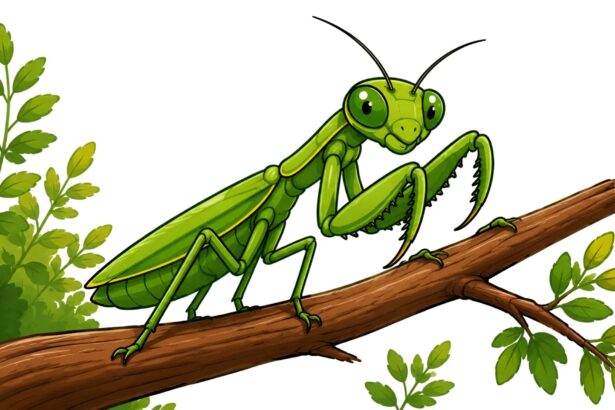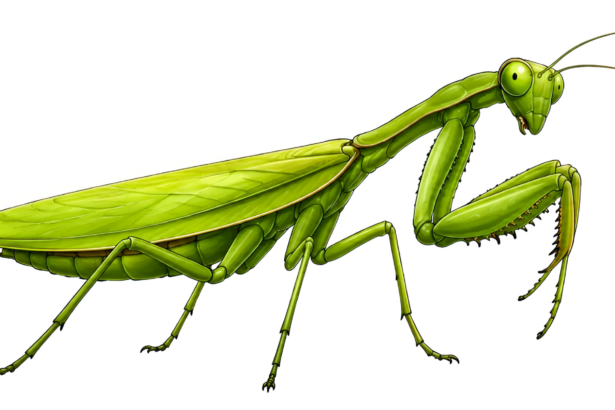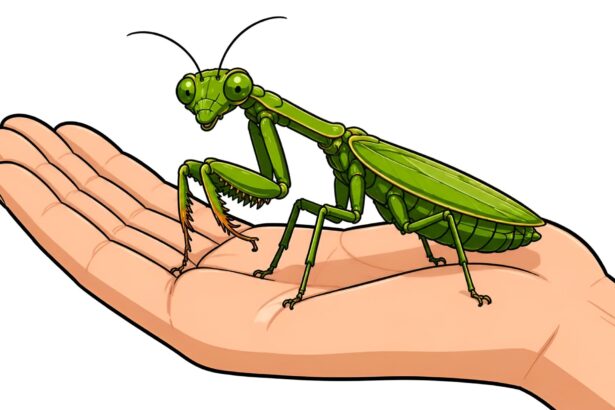

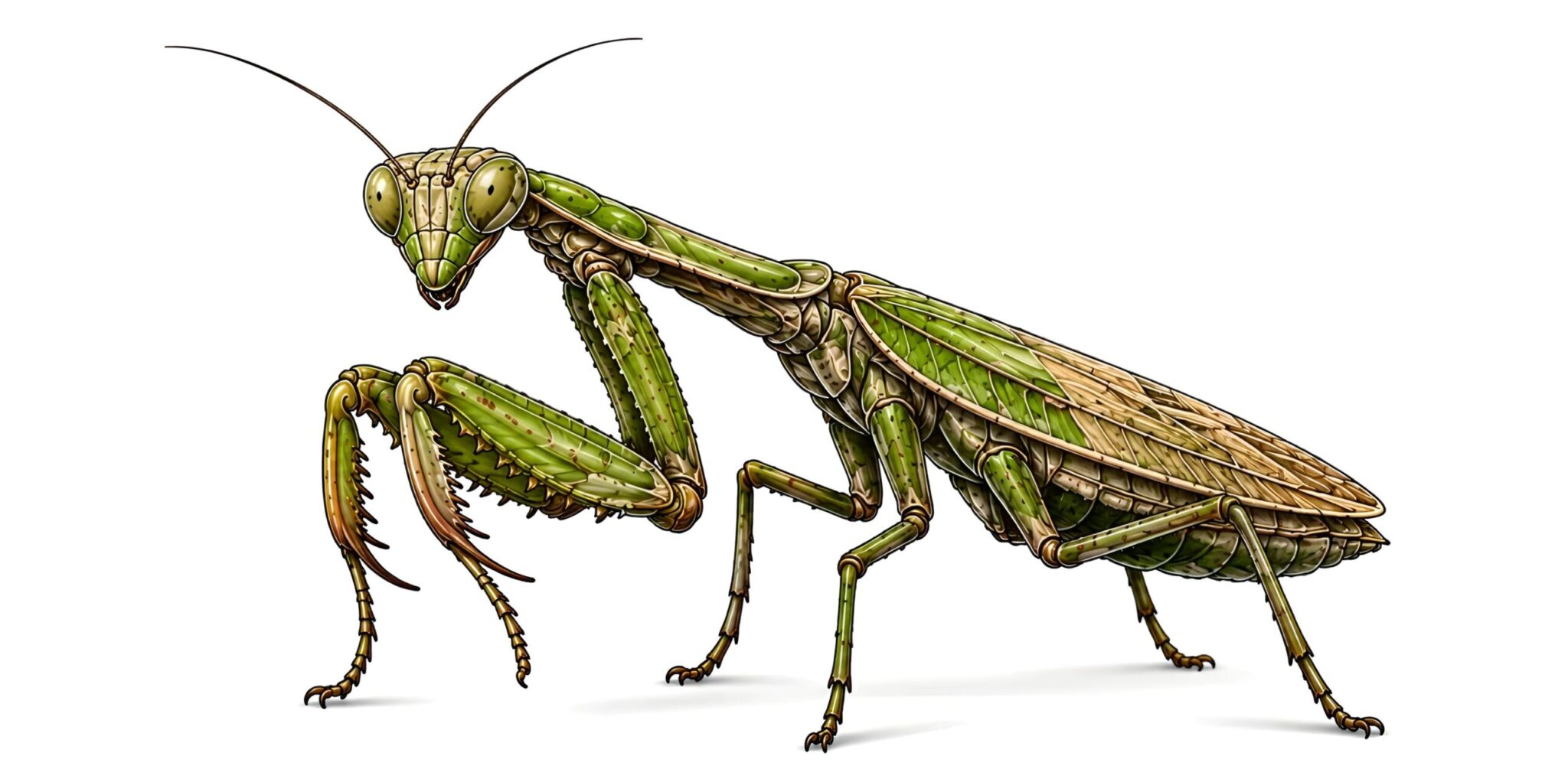
If you’ve ever spotted a praying mantis in your garden and found yourself wondering how long these incredible little predators actually live, then you’re in the right place. It’s one of those questions that sounds simple but actually has a lot more to it than most people expect. The answer depends on quite a few things, including the species, where they live, and whether they’re in the wild or kept as a pet. Read on to find out everything you need to know.
How Long Do Praying Mantises Live?
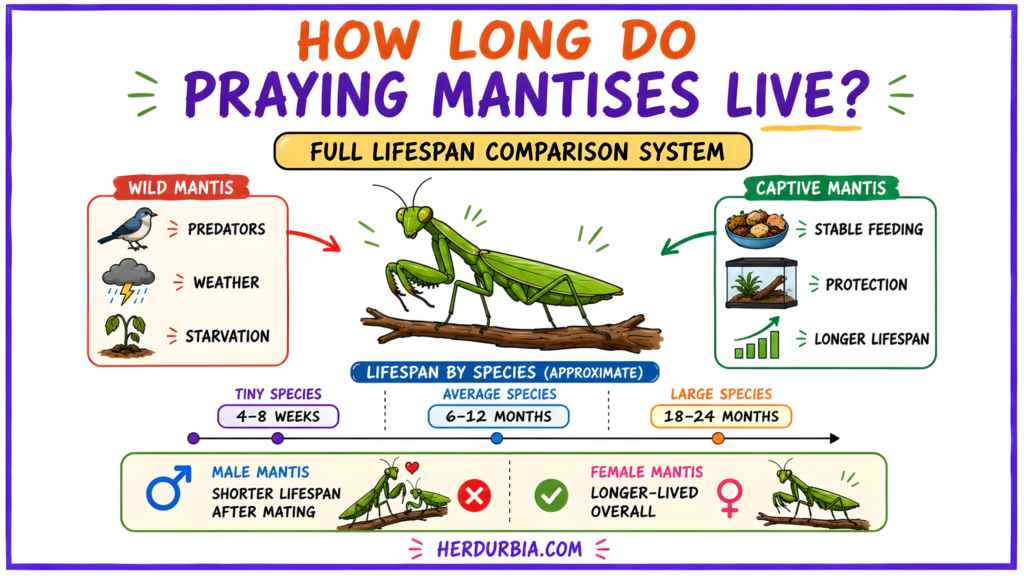
The lifespan of a praying mantis varies quite a bit depending on the species. Smaller species may live just 4 to 8 weeks, while larger species may live 4 to 6 months. In the wild, the natural lifespan of most mantises sits at around 10 to 12 months, but in captivity that number can stretch considerably further. A praying mantis kept as a pet can potentially outlive its wild counterparts by a substantial amount of time.
It’s also worth knowing that females almost always outlive their male counterparts. One study reported female lifespans of 165 to 196 days and male lifespans of 110 to 176 days. That gap between the sexes comes down to their very different roles in reproduction — something we cover in detail in our article on praying mantis breeding.
How Long Do Different Species Live?
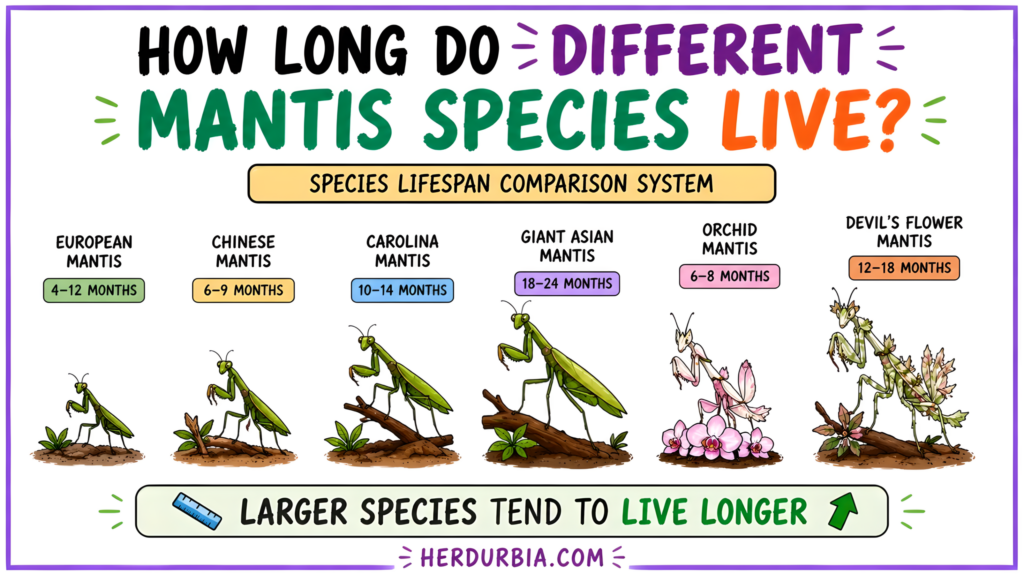
Not all mantises are created equal when it comes to how long they stick around, and the differences across species are pretty remarkable. The European mantis lives 4 to 6 months up to a year, the Chinese mantis 6 to 9 months in captivity, the Carolina mantis 10 to 14 months, the Giant Asian mantis 18 to 24 months making it the longest-lived species, the orchid mantis 6 to 8 months, and the devil’s flower mantis 12 to 18 months.
Those are some pretty striking differences. A Giant Asian mantis can live nearly four times longer than a smaller species, which shows just how much species matters when thinking about lifespan. The smallest Bolbe pygmea may only live a matter of weeks, while the larger Chinese mantis is reported to live up to 24 months in captivity.
The Praying Mantis Life Cycle
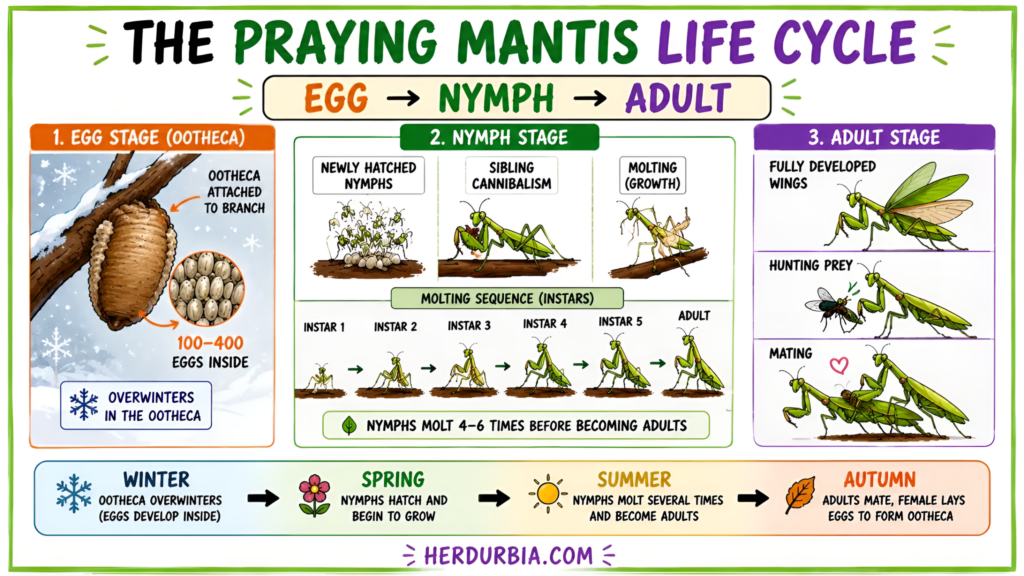
To really understand lifespan, it helps to understand how a praying mantis gets from egg to adult. The whole journey happens in three stages, and each one is just as fascinating as the last.
Egg
It all starts with the ootheca — the egg case a female deposits before winter arrives. The adult female praying mantis lays 100 to 400 eggs on a sturdy leaf or stem, secured with a liquid that hardens to form a protective sac called an ootheca. This case is extremely robust and capable of withstanding major weather fluctuations, and the nymphs hatch when the egg casings crack in mid-spring when temperatures are warmer. You can learn a lot more about this in our article on how to care for a praying mantis egg case.
Nymph
Once they hatch, the young mantises — called nymphs — are immediately on their own and immediately hungry. During the beginning stages of their lives the newly born nymphs spend some time around the egg casing, during which the mantis will attempt to feed on their newly hatched siblings. They also begin to forage for tiny insects such as fruit flies. In their development, nymphs go through a series of repeated phases of growth known as instars, and at each stage the nymphs lose their exoskeleton through molting, which occurs approximately five to ten times before they begin the next stage of life.
This molting process is a crucial part of how they grow and develop, and we cover it in full in our guide on do praying mantises shed their skin. Not all nymphs make it to adulthood either — birds, bats, lizards, spiders, and snakes are all natural enemies that cut many young mantises’ lives short before they ever reach maturity.
Adult
Once a mantis reaches adulthood it’s fully formed, winged, and ready to hunt just about anything it can get its forelegs on. Full-grown mantises range in length from one to six inches and vary in size by species. The praying mantis is a carnivorous bug that isn’t picky about its diet, and mantises will feed on tiny nesting birds, mice, lizards, and tree frogs in addition to small insects. Their surprisingly ambitious diet is something we explore in our article on what do praying mantises eat.
Adulthood is also when mating happens, and for the male mantis this can be a genuinely dangerous time. The infamous praying mantis cannibalism behavior is well documented, and in colder areas female mantids will die during winter, while males tend to suddenly die about 2 to 3 weeks after mating in the fall.
What Affects How Long A Praying Mantis Lives?
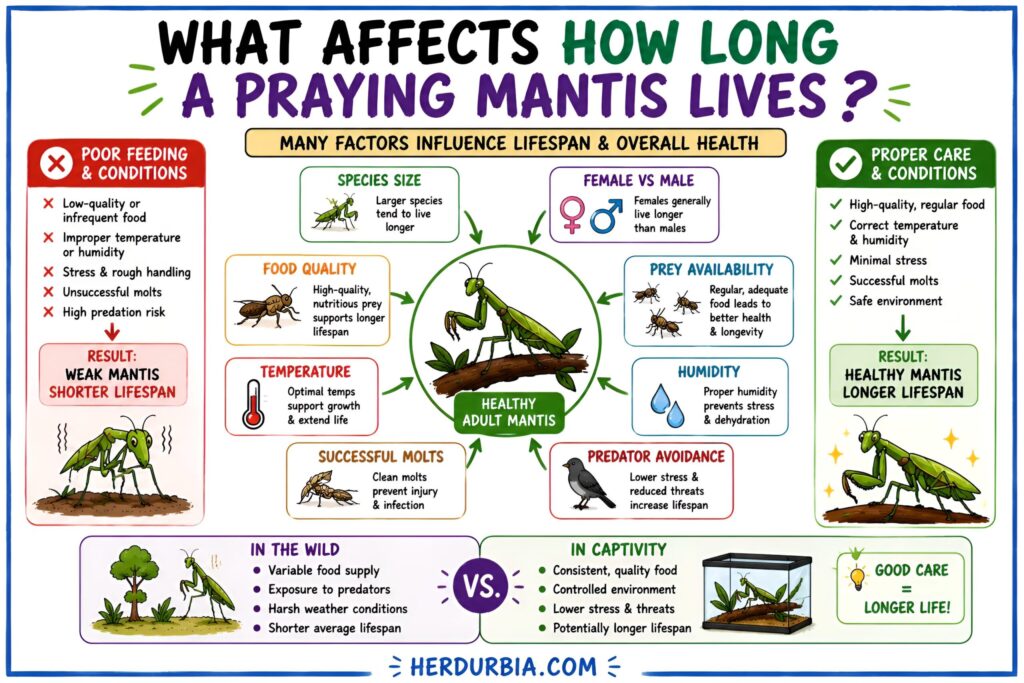
Several key factors determine whether a mantis lives a long full life or a short one, and understanding them is especially useful if you’re keeping one as a pet.
Predators are the biggest threat in the wild. In the wild, praying mantises face various challenges including predators, harsh environments, and inconsistent food supply. A mantis that successfully avoids all of these for a full season is doing exceptionally well.
Food quality and availability matter just as much. The more high-quality food a praying mantis has available, the better the chances are that it will continue to grow in size and thrive. A well-fed mantis simply lasts longer than one that’s constantly struggling to find prey.
Temperature plays a surprisingly big role too. Colder environments slow metabolism and may actually extend lifespan, while a protein-rich diet extends life and poor feeding reduces it.
Species and sex are the most predictable factors of all. Larger species live longer, and females consistently outlive males across virtually every species. You can learn more about spotting the difference between them in our guide on how to tell the sex of a praying mantis.
How To Help Your Pet Praying Mantis Live Longer
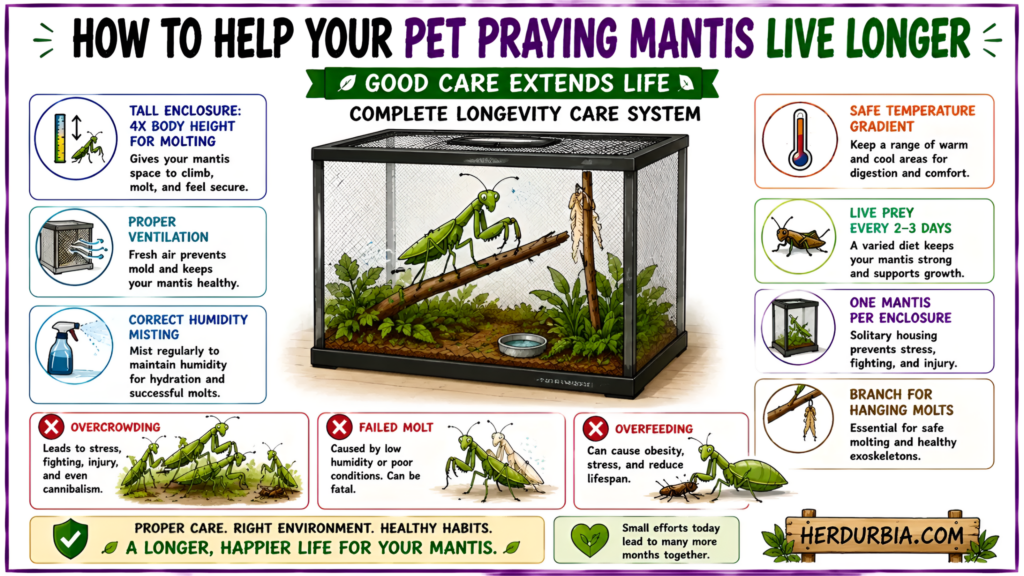
If you’re keeping a mantis as a pet, the good news is that you have a lot of control over how long it lives. The Amateur Entomologists’ Society recommends keeping mantids in tall cages with a stick or branch for the insect to hang from during molting, with the distance from the top of the branch to the floor being at least four times the length of the insect.
Housing each mantis separately is also essential. Mantids should be kept in their own tank to avoid cannibalism between two mantids. It might seem like extra effort, but it genuinely makes a significant difference to how long your pet survives.
Getting temperature and humidity right is just as important, especially during molts. A consistent supply of prey allows mantises to maintain optimal health, and feeding your mantis prey smaller than half its body size helps prevent injury. The Critter Depot’s mantis care guide recommends misting the enclosure at least once daily to maintain the humidity levels that allow for healthy molting and general wellbeing. We also cover enclosure heating in detail in our guide on how to heat a praying mantis enclosure.
Feeding correctly is the final piece of the puzzle. Feed adult mantids every 2 to 3 days while nymphs should be fed daily, offering a mix of prey items like crickets, fruit flies, and beetles to maintain a healthy diet. Some species will be harmed by overfeeding, so always research your specific species before settling into a routine.
Conclusion
Praying mantises live short but incredibly eventful lives. From the moment they hatch and immediately start trying to eat their siblings, to their final molt into winged adults, every stage is packed with drama. In the wild most species live somewhere between a few months and a year. In captivity with the right care, that number can climb significantly higher. If you want to give a pet mantis the best possible shot at a long healthy life, getting the housing, temperature, humidity, and feeding right from day one is everything. Our guides on are praying mantises good pets and where do praying mantises live are great next reads if you want to keep going.