
Walk into any pet store and you’ll find cages marketed specifically for hedgehogs that are, quite frankly, too small, poorly ventilated, or built with wire floors that will injure your pet. The label means nothing — what matters is whether the cage actually meets your hedgehog’s needs. Get it right the first time and you’ve laid the foundation for a healthy, active animal. Get it wrong and you’re looking at foot injuries, respiratory problems, and a stressed hedgehog who never really thrives.
This guide covers everything you need to know — the non-negotiables, the cage types worth considering, and our top picks for every type of owner — so you can make a confident decision from the start. Pair it with our guides on the best hedgehog cage setup, best hedgehog bedding, and best hedgehog wheel for the complete picture.
The Truth About Hedgehog Cage Size
Hedgehogs are small animals with a surprisingly large need for space. In the wild, they run miles every single night — and your pet hedgehog is no different. They’re nocturnal, which means most of that activity happens while you’re asleep, and a cage that’s too cramped doesn’t just feel uncomfortable — it actively prevents the movement that keeps them healthy.
The absolute minimum floor space you should work with is 2 feet by 4 feet — roughly 8 square feet of usable ground area. Veterinarian Dr. Rick Axelson recommends a minimum of 24 inches tall by 35 inches long, but whenever your space allows for more, go bigger. At a minimum, every cage needs to comfortably fit a sleeping hideout, a running wheel, food and water dishes, and a litter box without any of those items crowding each other out. If accessories are fighting for floor space, the cage is too small.
What Every Hedgehog Cage Must Have
Before looking at any specific product, these are the requirements that apply universally — no exceptions.
A Solid Floor
This is the single most important feature. Wire floors cause bumblefoot — a painful bacterial infection of the foot that is entirely preventable and very difficult to treat once established. Hedgehog feet are simply not designed to walk on mesh or wire grates; legs can slip through, toes catch, and the ongoing friction causes open sores. The cage floor must be solid — a deep plastic base tray is the most common and practical solution. Line it with at least 2 to 3 inches of appropriate hedgehog bedding to allow natural digging behaviour and cushion any falls.
Good Ventilation
Poor airflow allows ammonia from urine to build up inside the enclosure, and hedgehogs have sensitive respiratory systems that can be damaged by prolonged ammonia exposure. Wire or mesh walls and roofs provide the best natural airflow and are generally the preferred option. If you go with a solid-sided enclosure like a plastic bin, ventilation holes are non-negotiable — they must be drilled in before your hedgehog moves in.
Escape-Proof Construction
Hedgehogs are more determined escape artists than their round little bodies suggest. Bar spacing must be no wider than 1 inch to prevent a hedgehog from squeezing through or getting their head trapped between bars. For young or small hedgehogs, half-inch spacing is even safer. The cage also needs a securely latching lid — hedgehogs can climb wire walls, and because they have very poor depth perception, a fall from the top of a cage is genuinely dangerous.
Compatibility With Heating
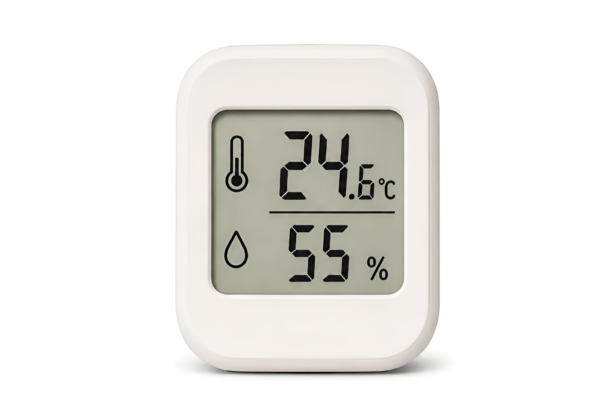
This one catches a lot of new owners off guard. Hedgehogs need a consistent ambient temperature between 72°F and 80°F year-round. If the temperature drops below that range, African Pygmy hedgehogs — the most common pet species — can attempt hibernation, which is dangerous and potentially fatal for them. Your cage setup needs to accommodate a ceramic heat emitter or heating pad, positioned near an outlet, and you’ll want a thermometer inside the cage to monitor temperature at all times. Never place a cage directly on the floor — floor-level air is often several degrees cooler than the rest of the room.
Types of Hedgehog Cages
There are three main options worth considering. Each has a different set of trade-offs, and the right one depends on your budget, your living situation, and how much DIY work you’re willing to take on.
Wire Cages with Plastic Base Trays
The most popular choice for good reason. Cages designed for guinea pigs — featuring wire walls, a wire or mesh top, and a deep plastic pan on the bottom — are the most straightforward option for new owners. Guinea pig and rabbit cages are the most recommended wire option in the hedgehog community because they’re built with exactly the right configuration: ventilated walls, solid plastic flooring, and easy-open tops. Confirm bar spacing is 1 inch or less, the base pan is deep enough to hold adequate bedding, and the top locks securely before buying.
Plastic Bin Cages (DIY)
Large plastic storage bins are a favourite among experienced hedgehog keepers. They’re inexpensive, retain heat exceptionally well compared to open wire cages, have no climbable wire surfaces, and can be customised with multiple connected bins to give your hedgehog different “rooms.” The minimum bin size is 105 quarts, with floor dimensions no smaller than 18 by 30 inches — though larger is always better. The trade-off is DIY effort: you’ll need to cut or drill ventilation holes, and the end result is functional rather than attractive. Look for flat-bottomed bins with straight walls so your wheel sits level and your hedgehog can’t use sloped sides as a climbing ramp.
C&C Cages (Coroplast and Cube Grids)
C&C cages — modular wire grid panels lined with a plastic corrugated base — offer maximum flexibility. You can build them to any size, add levels for multiple hedgehogs, and reconfigure them easily. The open grid walls that make ventilation excellent also make heat retention poor, so these work best in consistently warm rooms or for owners prepared to invest in a more robust heating setup. They’re a strong option for experienced owners who want a genuinely spacious custom build.
Our Top Hedgehog Cage Picks
Best Overall: Living World Deluxe Habitat (XL)
The Living World Deluxe Habitat in XL is the most consistently recommended commercial cage in the hedgehog community, and for good reason. It measures 46.9 inches long by 22.8 inches wide by 24 inches tall — just shy of 4 feet by 2 feet — giving your hedgehog a proper amount of floor space to move, explore, and exercise. The hybrid design combines a wire upper frame with a solid plastic base, which means excellent ventilation from the wire walls and a safe, solid floor with no risk of bumblefoot. The wire top opens in two separate sections for easy access, and there’s also a front door for day-to-day interaction without having to lift the entire top.
It comes with a built-in balcony with an access ramp, a tip-proof food dish, a drip-proof water bottle, and a hay guard — though for hedgehog use, the balcony ramp should be monitored carefully given hedgehogs’ limited depth perception and poor descending ability. Many owners remove the ramp entirely and use the under-balcony space purely as a hideout. The cage assembles without tools using plastic clips and comes apart the same way for cleaning. Hamor Hollow Hedgehogs, one of the most respected hedgehog breeders in North America, names the Living World Deluxe Habitat as their preferred tabletop enclosure — the large version for one hedgehog, the XL for multiple.
Best for: Most owners, especially beginners. It meets every requirement out of the box and is widely available at pet stores and online.
Watch out for: The plastic clips that hold the frame together can loosen over time — check them regularly. Also ensure your CHE or heat lamp is positioned safely above the wire top, not resting directly on it.
Best Budget Pick: MidWest Guinea Habitat
The MidWest Guinea Habitat is what many hedgehog owners reach for when they want maximum floor space at a lower price point. It measures 47 inches by 24 inches by 14 inches, providing a full 8 square feet of floor space — more than most commercial cages at the same price range. The base is a PVC-lined canvas bottom rather than hard plastic, which is leak-proof, washable, and gentle on feet. The wire sides fold flat for storage, and the modular design means you can connect two habitats to double the space with no tools required.
At 14 inches tall, it’s a low-profile, open-top style cage — which means you’ll need to be thoughtful about placement if you have other pets in the house, and you’ll need a lid solution if your hedgehog is a climber. The canvas bottom, while practical, isn’t as rigid as a hard plastic pan and requires a more careful cleaning routine. That said, for the floor space it provides at its price point, it’s hard to beat — and the expandability makes it one of the few commercial options that can genuinely grow with your hedgehog’s needs.
Best for: Budget-conscious owners who prioritise floor space and don’t mind a simpler, low-profile design.
Watch out for: The canvas bottom isn’t as durable as hard plastic over the long term. If your hedgehog is an active digger, check the bottom regularly for wear.
Best DIY Option: Sterilite 106-Quart Bin Cage
For owners willing to put in a small amount of prep work, a modified Sterilite plastic bin is the choice that experienced hedgehog keepers keep coming back to. The Sterilite 106-quart bin hits the minimum size requirement with floor dimensions large enough to fit a wheel, hideout, food station, and litter box — and at a fraction of the cost of any commercial cage. The solid plastic walls mean no wire for your hedgehog to climb, excellent heat retention for easier temperature management, and a smooth, easy-to-clean interior.
The modification required is straightforward: drill or cut ventilation holes in the lid and upper sides of the bin before use. Many owners use a soldering iron for cleaner, more controlled holes. A 105-quart bin is the minimum; going larger — 150 quarts or above — is always the better choice if you can find the floor dimensions to accommodate it. The clear Sterilite design lets you check on your hedgehog without opening the bin, which is a practical bonus during daytime when they’re sleeping. Multiple bins can also be connected with 4-inch PVC pipe to create extra rooms and dramatically increase total living space.
Best for: Experienced owners, budget-focused setups, and anyone in a colder environment who needs strong heat retention.
Watch out for: Make sure you measure the actual flat floor dimensions — not just the quart rating — before buying. Some bins have sloping interior walls that reduce usable floor space significantly.
What to Put Inside the Cage
A great cage is the starting point, not the finish line. Once you’ve settled on your enclosure, you’ll need to fill it correctly. The essentials:
A Running Wheel — Non-negotiable. Hedgehogs run enormous distances at night and need a solid-surface wheel every single night. Wire or mesh wheels are dangerous and should never be used. Our best hedgehog wheel guide covers which ones are worth your money.
Bedding — At least 2 to 3 inches of paper-based bedding or fleece liners on the cage floor. Pine and cedar shavings release oils that cause respiratory problems and should be avoided. See our full bedding guide for safe options.
A Hideout — Hedgehogs need a dark, enclosed space to sleep in during the day. Our picks for the best hedgehog hideout will help you find one that fits your setup.
Food and Water — Heavy, tip-resistant bowls work best. Check our best hedgehog feeding bowls guide for our recommendations.
A Litter Box — Hedgehogs can be litter trained, which makes cage cleaning dramatically easier. Our picks for the best hedgehog litter box are a good place to start.
Common Mistakes to Avoid
Trusting the label. Many cages sold as “hedgehog cages” in pet stores are undersized or built with wire floors. Always check the actual floor dimensions against the minimums above.
Choosing a cage with wire flooring. No matter how well-reviewed the cage is in other respects, a wire floor is a safety hazard. It’s not a compromise worth making.
Skipping the heating plan. A cage without a temperature solution isn’t a finished setup. Have your heat lamp, thermostat, and thermometer sorted before your hedgehog comes home.
Multi-level cages with steep or open ramps. Hedgehogs have poor depth perception and are notoriously bad at climbing back down. If your cage has levels, make sure ramps are fully enclosed, gently sloped, and non-slip. Many owners remove ramps entirely and use multi-level cages as single-floor setups with the upper level serving as a hideout.
Placing the cage on the floor. Floor-level temperatures can be significantly lower than the rest of the room — enough to trigger a hibernation attempt. Always elevate the cage.
Conclusion
The cage is the single most important purchase you’ll make for your hedgehog, and it’s worth spending extra time getting right before your hedgehog ever comes home. A solid floor, proper ventilation, the right dimensions, and a reliable heat setup are what separate a good cage from a great one — not the price tag or the branding. Once those fundamentals are in place, everything else you add is just making an already solid home even better.
When you’re ready to build out the full setup, our best hedgehog products page has every essential in one place — from cages and bedding to wheels, heating, and everything in between.