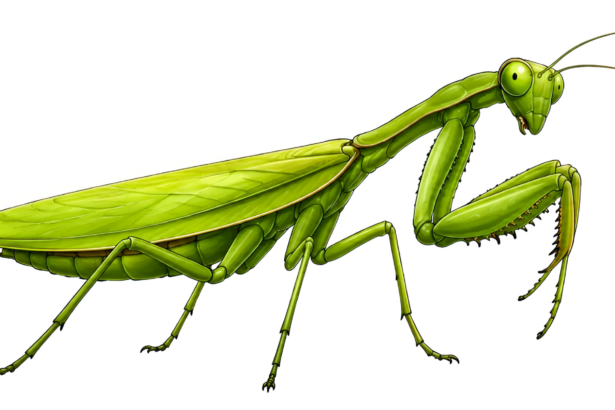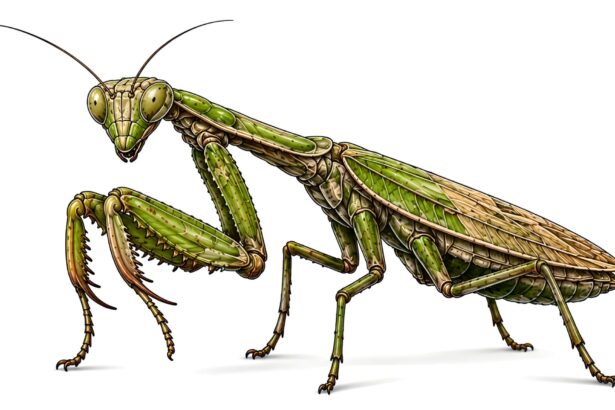

Praying mantis are one of the most unique pets you’ll ever come across — and yes, you can absolutely keep one. More and more people are discovering just how rewarding these insects are to own, and once you’ve had one, it’s hard to go back to not having one. They’re clean, quiet, low-maintenance, and endlessly fascinating to watch. So let’s break down everything you need to know before bringing one home.
What Makes Them Such Good Pets?
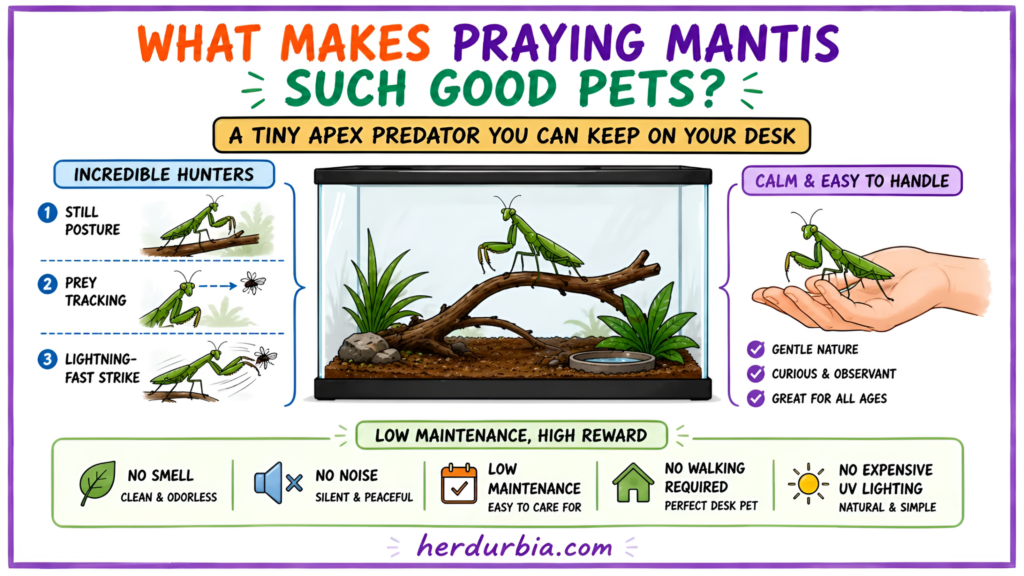
There’s really nothing else quite like a praying mantis. They combine an almost alien appearance with surprisingly calm behavior toward their owners, and watching one track and strike at prey is something you genuinely never get tired of. They sit perfectly still for long stretches — not because they’re boring, but because that’s exactly how they hunt. Then, in a split second, they strike. It’s like having a tiny apex predator living on your desk.
On top of that, they’re one of the cleanest pets you can own. Mantis enclosures are easy to maintain and virtually odourless compared to most other exotic pets. No noise, no smell, no walking required. And unlike reptiles, most mantis species don’t need expensive UV lighting or elaborate heating setups to stay healthy. A simple, well-ventilated enclosure with the right basics is all it takes.
Not sure which species to start with? Head over to our best praying mantis species for beginners guide and we’ll point you in the right direction.
Setting Up The Right Enclosure
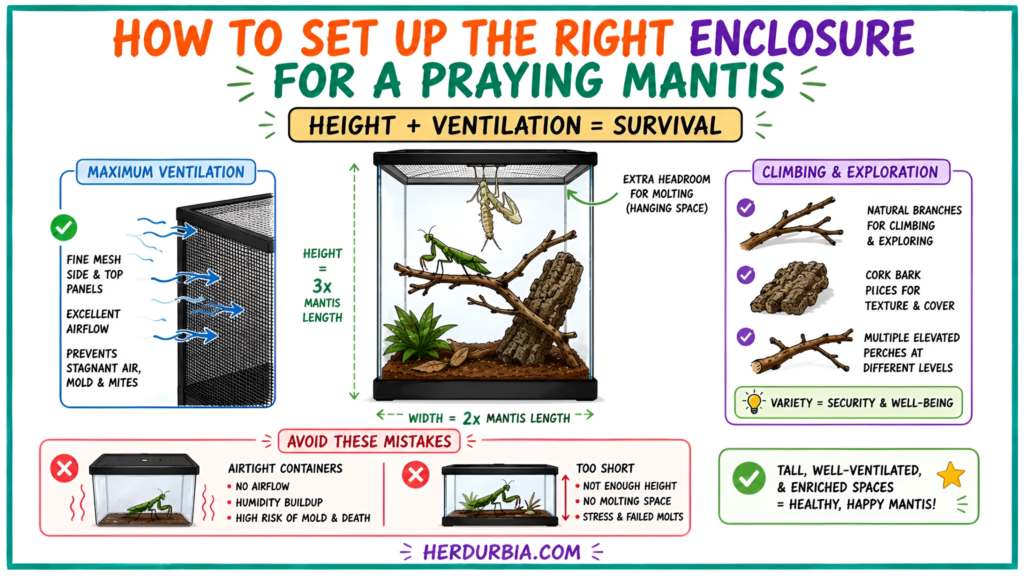
Getting the enclosure right is the single most important thing you’ll do for your mantis. The number one rule — the enclosure must be at least three times the height of your mantis and twice its width. Height matters more than anything else here. When a mantis molts, it hangs upside down from the top of the enclosure and slowly slides out of its old skin. Without enough vertical space to do this safely, a molt can go catastrophically wrong. This is non-negotiable.
Ventilation matters just as much. Stagnant, damp air is one of the fastest ways to kill a praying mantis, so make sure your enclosure has good airflow — either through a mesh panel, ventilation holes, or both. Never seal a mantis in an airtight container.
Inside the enclosure, add a few twigs, branches, or cork bark pieces for your mantis to climb and perch on. Mantis feel exposed and stressed on the ground — they want to be up high, hanging from something. A few simple climbing structures make a world of difference to how settled and comfortable your mantis feels.
Temperature, Humidity And Water
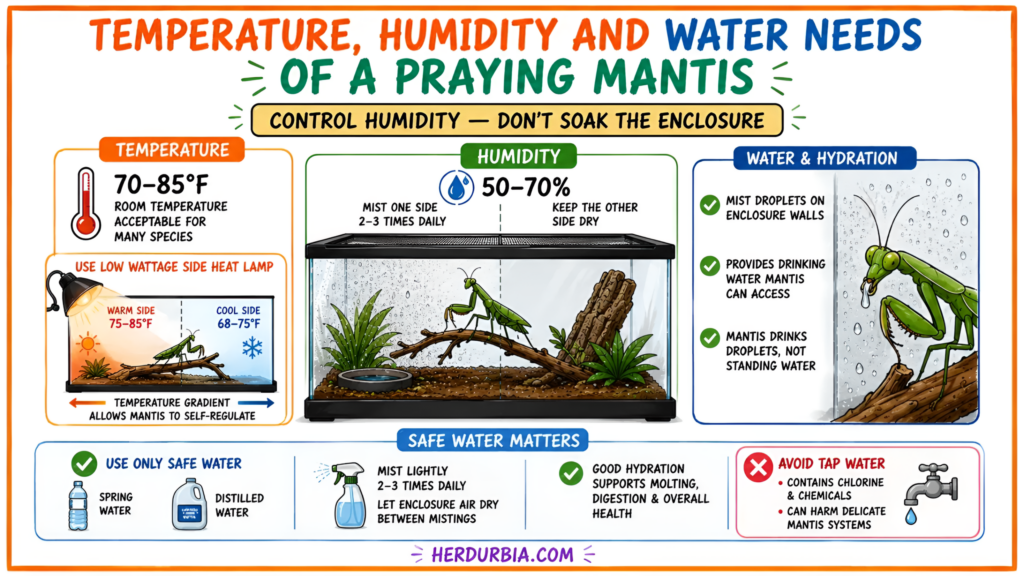
Most mantis species do well at temperatures between 70–85°F, and many beginner-friendly species are perfectly comfortable at normal room temperature with no additional heating needed. If your home gets cold in winter, a small low-wattage heat lamp positioned to one side of the enclosure gives your mantis a warm spot to move toward without cooking the whole enclosure.
Humidity requirements vary between species, but most do well with levels kept between 50–70%. The easiest way to maintain this is by lightly misting one side of the enclosure every one to two days, allowing the other side to stay dry. This gives your mantis the choice of a more humid or drier spot depending on what it needs. Always use spring or distilled water — tap water contains chlorine and other chemicals that aren’t good for mantis over time. You can read more on our do praying mantises drink water page.
Feeding Your Mantis
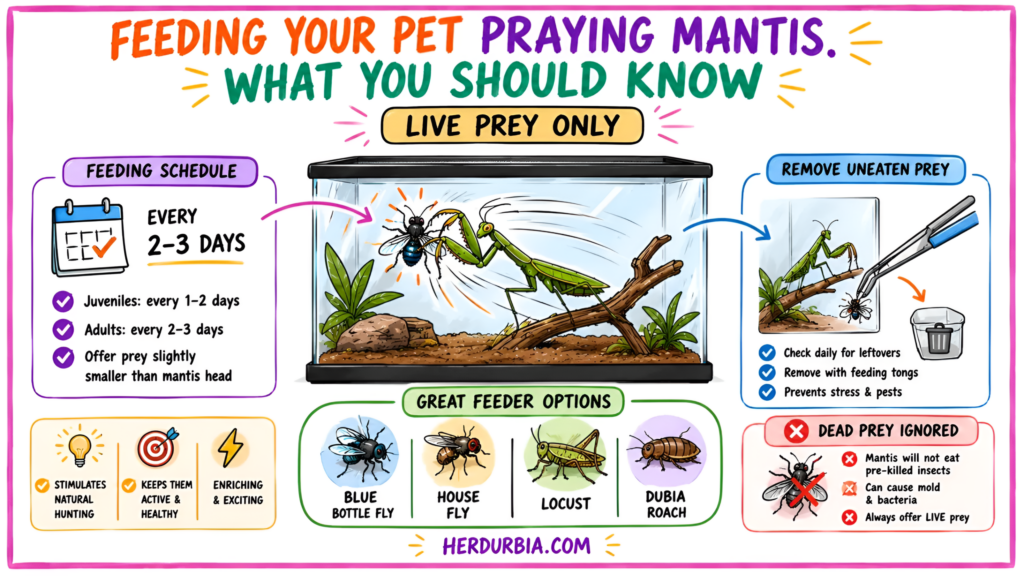
Praying mantis eat live prey — that’s just part of the deal. But it’s also one of the most enjoyable parts of keeping them. Watching your mantis spot, stalk, and strike at a fly or locust is genuinely entertaining every single time. The best staple feeders are blue bottle flies, house flies, locusts, and dubia roaches — all widely available from specialist suppliers online. Feed your mantis every two to three days as a general guide, and always remove any uneaten prey from the enclosure promptly. For a full breakdown of everything they eat at every life stage, check out our what do praying mantises eat page.
Can You Handle Them?
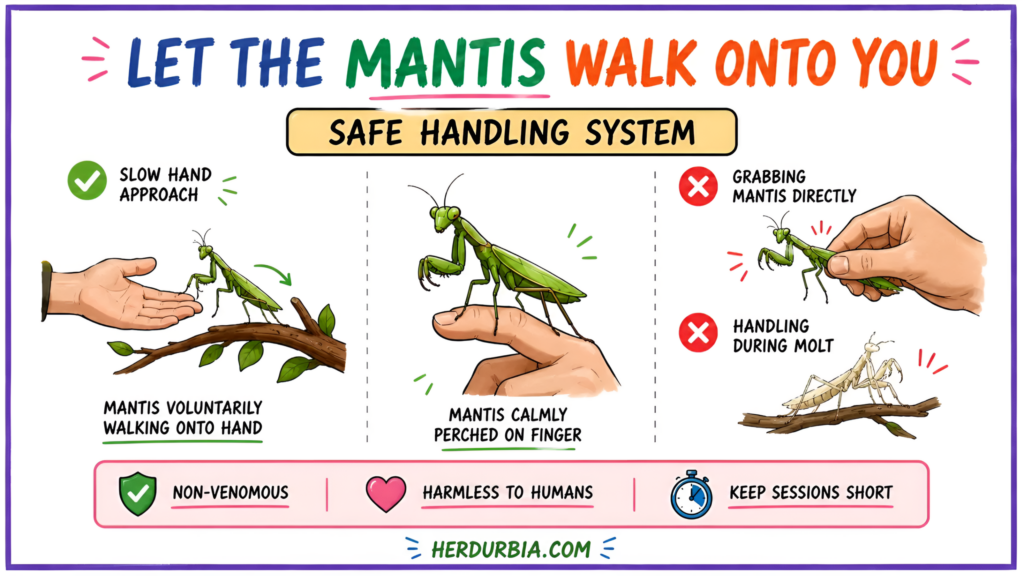
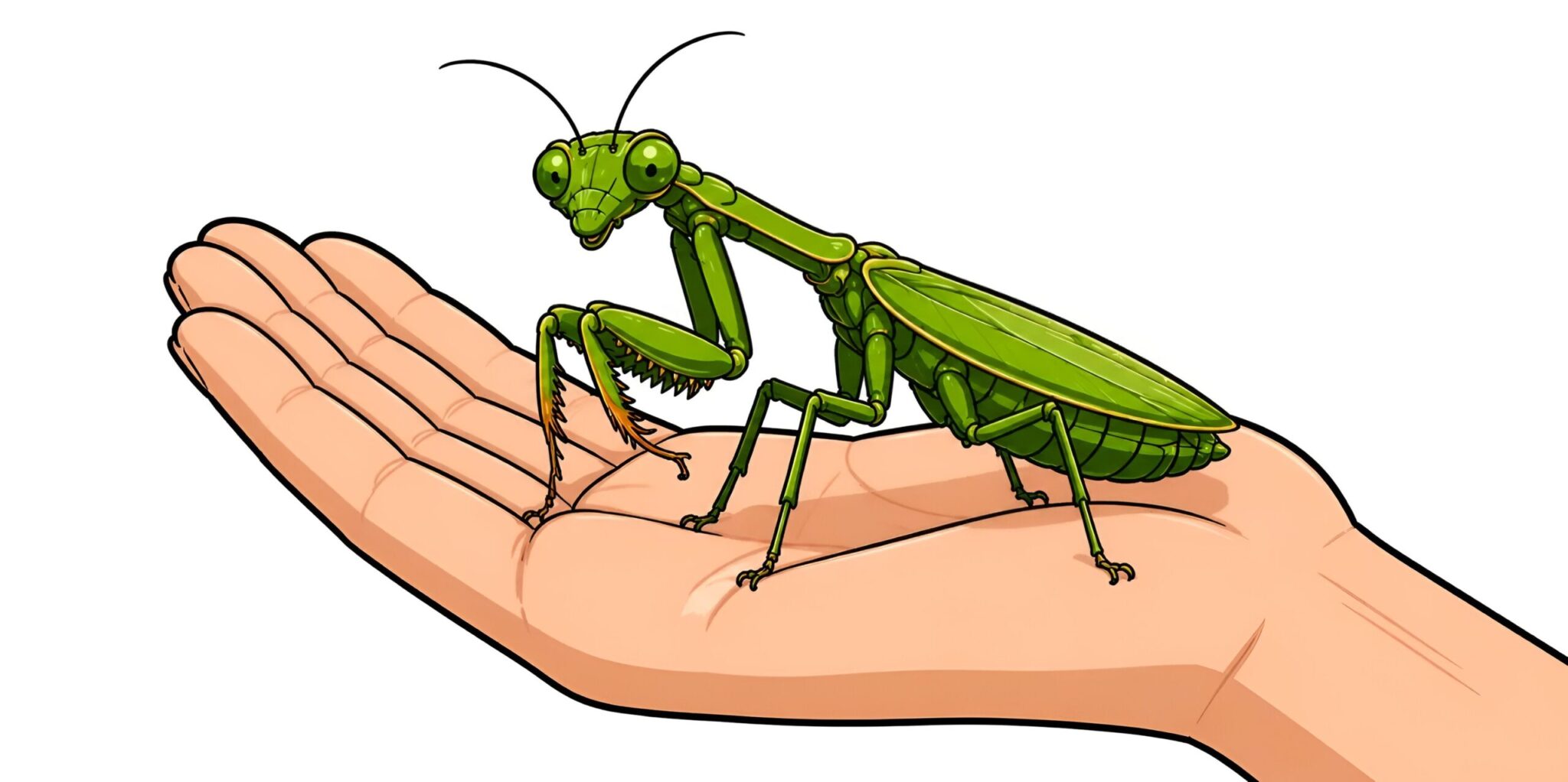
Yes — and this is one of the things that genuinely surprises new owners. Praying mantis are not venomous and pose virtually no danger to people. Most are perfectly happy to sit calmly on your hand and look around. The trick is always moving slowly, letting the mantis walk onto you rather than grabbing it, and keeping sessions short. Never handle your mantis in the days before or after a molt — this is when they are most vulnerable. Our full guide on can you hold a praying mantis covers everything you need to know.
A Few Important Things To Know
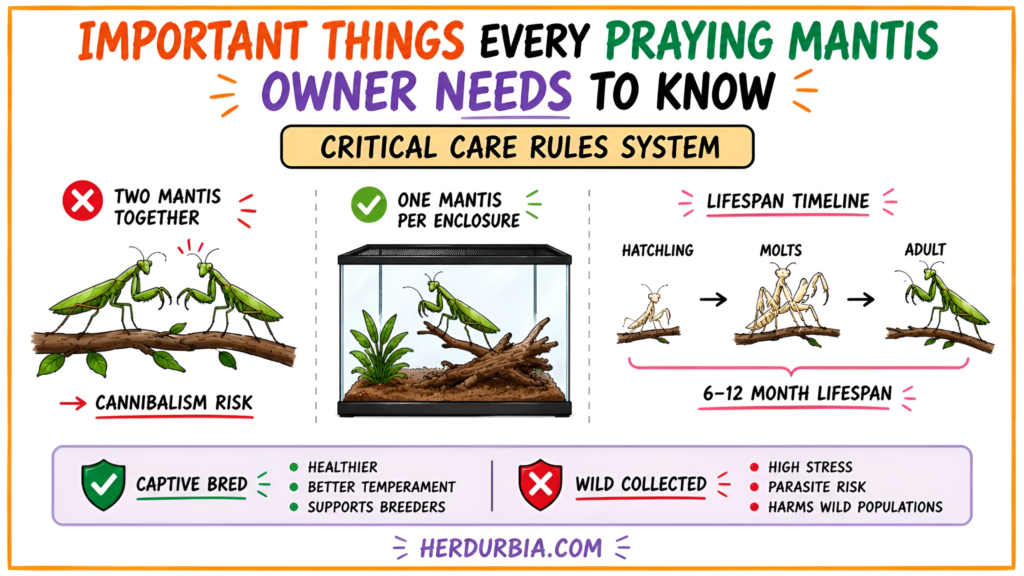
Every mantis needs its own enclosure. These are solitary, cannibalistic insects and housing two together — even briefly — is a serious risk to both of them. One mantis per enclosure, always.
Keep in mind that mantis are not long-lived pets. Most species live between 6 and 12 months in total, so going in with realistic expectations is important. That said, in those months you’ll get to watch your mantis grow, molt, hunt, and mature — which is a genuinely amazing experience from start to finish.
And always buy from a reputable specialist breeder rather than collecting from the wild. Captive-bred mantis are healthier, free of parasites, and far better suited to life in an enclosure.
Conclusion
Keeping a praying mantis is one of those hobbies that grabs you and doesn’t let go. They’re everything you want in an exotic pet — fascinating, handleable, low maintenance, and endlessly watchable. Get the enclosure height right, feed them consistently with live prey, stay on top of misting, and give them space to molt safely. Do those things and your mantis will thrive. When you’re ready to get everything set up, all the equipment and supplies you need are right here at Best Praying Mantis Products.