
Hedgehog weight is one of the most practical and reliable indicators of your pet’s overall health. Unlike many health issues that are difficult to spot until they’ve progressed, weight changes are measurable, trackable, and — when caught early — much easier to address. Whether your hedgehog is a new arrival or a long-standing member of the household, knowing what a healthy weight looks like and how to monitor it is one of the most important things you can do as an owner.
What Is A Healthy Hedgehog Weight?
For the African pygmy hedgehog — the species most commonly kept as a pet — a healthy adult weight typically falls between 300 and 500 grams. That said, individual variation is significant. Typical adult hedgehogs weigh between 350 and 450 grams, but the healthy range can extend from 220 grams to 1,000 grams depending on body type and build. Some hedgehogs are simply built leaner or stockier than others, and a number on a scale alone doesn’t tell the full story.
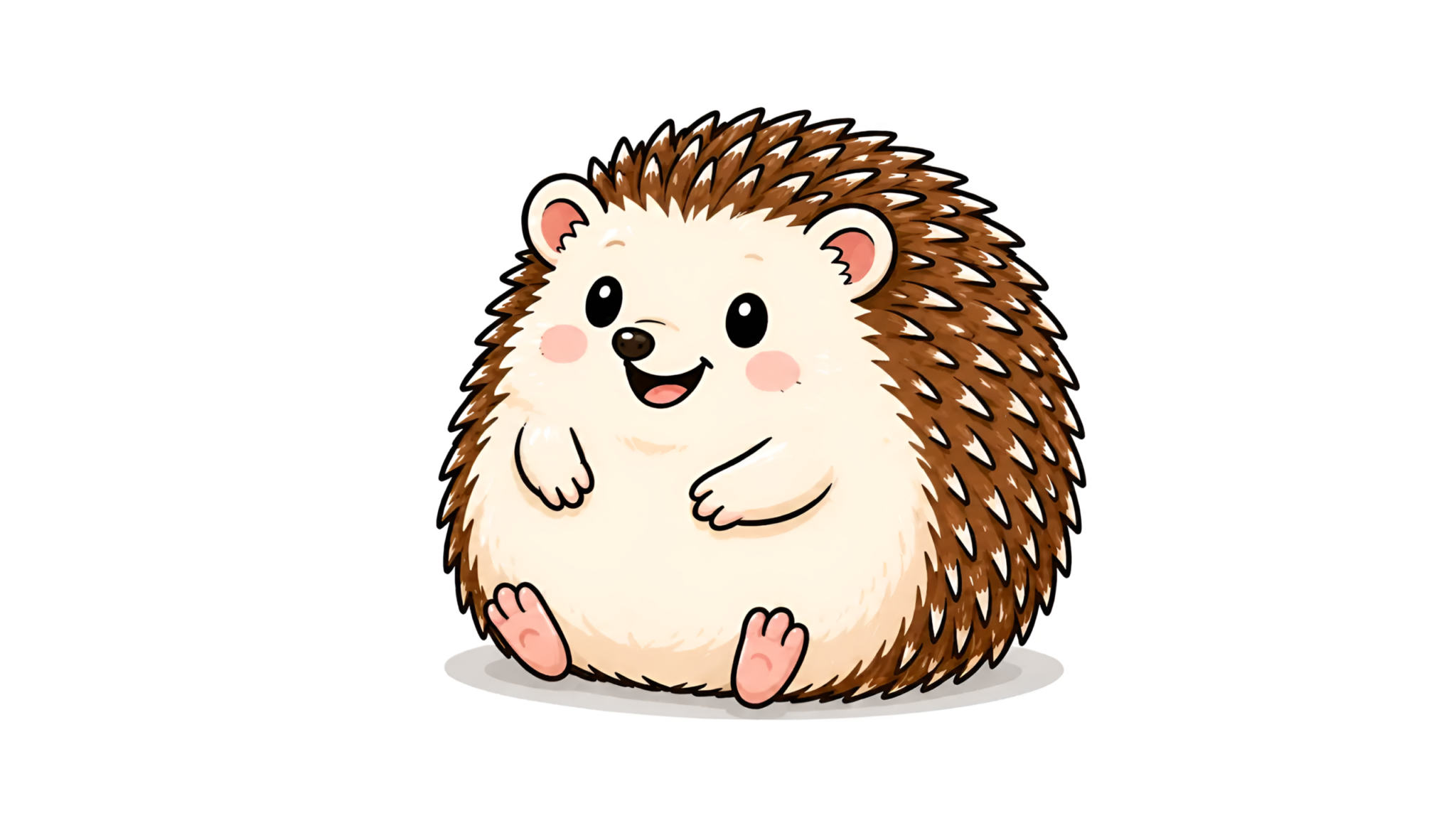
Body shape is often as informative as the weight itself. A healthy hedgehog should be pear-shaped — a pointed head, slightly rounded sides, and a filled-out rear end. If the sides appear to curve inward or the animal looks bony and thin, that points toward underweight. If the sides are bulging outward and the animal feels squishy rather than firm, that points toward overweight.
Hedgehog Weight By Age
Hedgehog weight changes dramatically from birth through adulthood, and knowing the rough milestones helps you track whether your hedgehog is growing normally.
At birth: Hoglets — baby hedgehogs — weigh just 25 to 30 grams at birth, roughly the size of a large grape. They are born blind and hairless, and entirely dependent on their mother.
At 7 days: Weight typically reaches 28 to 56 grams. Eyes and ears remain closed.
At 14 days: Weight has usually nearly doubled to around 56 to 85 grams. Eyes are still closed but beginning to open.
At 21 days: Hoglets reach approximately 85 to 113 grams. Eyes open, first teeth appear, and they begin to forage for small insects.
At 28 days: Around 113 to 170 grams, and now look like miniature adults. At this stage the mother will begin taking them on short foraging trips.
At adulthood (6–12 months): Most hedgehogs reach their adult size by around 6 months, though some individuals continue to grow until around 11 months of age. Adult weight typically settles in the 300–500g range, though runner-type hedgehogs that exercise heavily may weigh less while remaining perfectly healthy.
How To Weigh Your Hedgehog
The best time to weigh your hedgehog is on the same day each week, at the same time, ideally as soon as they wake up and before they’ve had a chance to eat or use the bathroom. Consistency is what makes weekly weigh-ins useful — it’s the trend over time that tells you something, not any individual measurement.
A kitchen scale that measures in grams is accurate enough for this purpose. Place a small container or cloth on the scale, tare it to zero, then place your hedgehog inside to get their weight. Our best hedgehog weight scale page covers reliable options that make this process straightforward.
Keep a simple written log. Once a hedgehog reaches adulthood, their weight should only fluctuate by 10 to 20 grams week to week. Anything beyond that — in either direction — deserves investigation.
Signs Your Hedgehog Is Overweight
Obesity is one of the most common and serious health issues in pet hedgehogs. Hedgehogs are prone to gaining weight in captivity because they don’t burn calories the way wild hedgehogs do — wild hedgehogs can cover 3 to 5 kilometres in a single night foraging for food. A pet hedgehog with unlimited kibble and a small enclosure burns a fraction of those calories.
The physical signs of an overweight hedgehog are fairly clear once you know what to look for:
Inability to curl fully into a ball. If a hedgehog gets so fat that it cannot curl up completely, it becomes vulnerable to predators and stress-related illness. A hedgehog that leaves a gap or soft belly exposed when attempting to curl is carrying too much weight.
Squidgy, squishy sides. A healthy hedgehog feels firm when picked up. An obese hedgehog’s body feels squishy, with extra fat padding the sides and sometimes visible fat rolls under the chin or in the “armpits” behind the front legs.
A hump between the shoulders. This fat deposit is a classic sign of obesity in hedgehogs and one of the easier ones to spot visually.
Altered gait. Obese hedgehogs tend to sway when they walk and may drag their bodies along the ground rather than moving with the usual brisk, purposeful hedgehog stride.
Addressing obesity requires reducing high-calorie treats, portion-controlling the staple diet, and increasing exercise opportunities. A good exercise wheel is one of the most effective tools for keeping hedgehog weight in check — many healthy hedgehogs run several kilometres per night on theirs. You can find our recommendations on our dedicated page.
Signs Your Hedgehog Is Underweight
Underweight hedgehogs are less talked about than obese ones but equally concerning. An underweight hedgehog often has visibly tapered, V-shaped rear quarters rather than a rounded, filled-out end. The sides may curve inward rather than sitting relatively parallel. In more severe cases, spine and hip bones may become palpable.
Unexplained weight loss in an adult hedgehog that is not dieting is a potential sign of underlying illness and should always prompt a vet visit. Common causes include dental problems that make eating painful, parasites, infection, or more serious conditions like Wobbly Hedgehog Syndrome. A hedgehog that is losing weight while appearing to eat normally is a particular concern.
Some hedgehogs are naturally leaner — runner hedgehogs that exercise heavily tend to have straight, parallel sides rather than the rounded teardrop shape, and may weigh less than average while being perfectly healthy. The key distinction is that their weight remains stable and they are active, eating well, and behaving normally. Monitoring what your hedgehog eats alongside their weight gives you the clearest picture.
Hedgehog Weight And Hibernation
For wild hedgehogs, weight is directly tied to survival through winter. A wild hedgehog needs to reach approximately 650 grams before hibernation to have a realistic chance of surviving the period. Below that threshold, they may not have enough fat reserves to sustain themselves.
Pet hedgehogs — particularly African pygmy hedgehogs — should not be allowed to hibernate. Attempting hibernation in captivity can be life-threatening, as they haven’t evolved the same physiological capacity for safe torpor as wild European hedgehogs. Maintaining a warm, stable environment prevents the temperature drops that trigger hibernation attempts. Our best hedgehog thermostat page covers the equipment that keeps their habitat safely within the right temperature range.
How To Maintain A Healthy Hedgehog Weight
Keeping hedgehog weight in a healthy range comes down to three things: diet quality, portion control, and exercise.
Feed a high-quality, protein-rich staple food in measured amounts rather than leaving a full bowl available at all times — free-feeding makes it easy to miss early signs of appetite change and makes overeating very easy. Rotate in small amounts of appropriate treats like cooked chicken or safe fruits occasionally, but keep them exactly that — occasional. And provide a wheel. Hedgehogs that run regularly maintain healthier weights and tend to be more active and engaged overall.
Conclusion
Hedgehog weight is one of those things that’s easy to track and extremely valuable to monitor. A simple weekly weigh-in, a written log, and an understanding of what healthy looks and feels like gives you an early warning system for some of the most common health issues hedgehogs face. Whether you’re managing obesity, tracking a growing hoglet, or keeping an eye on an older animal, the scale is one of your most useful tools as an owner. And for everything you need to support your hedgehog’s health from habitat to diet, our best hedgehog products page has you covered.