

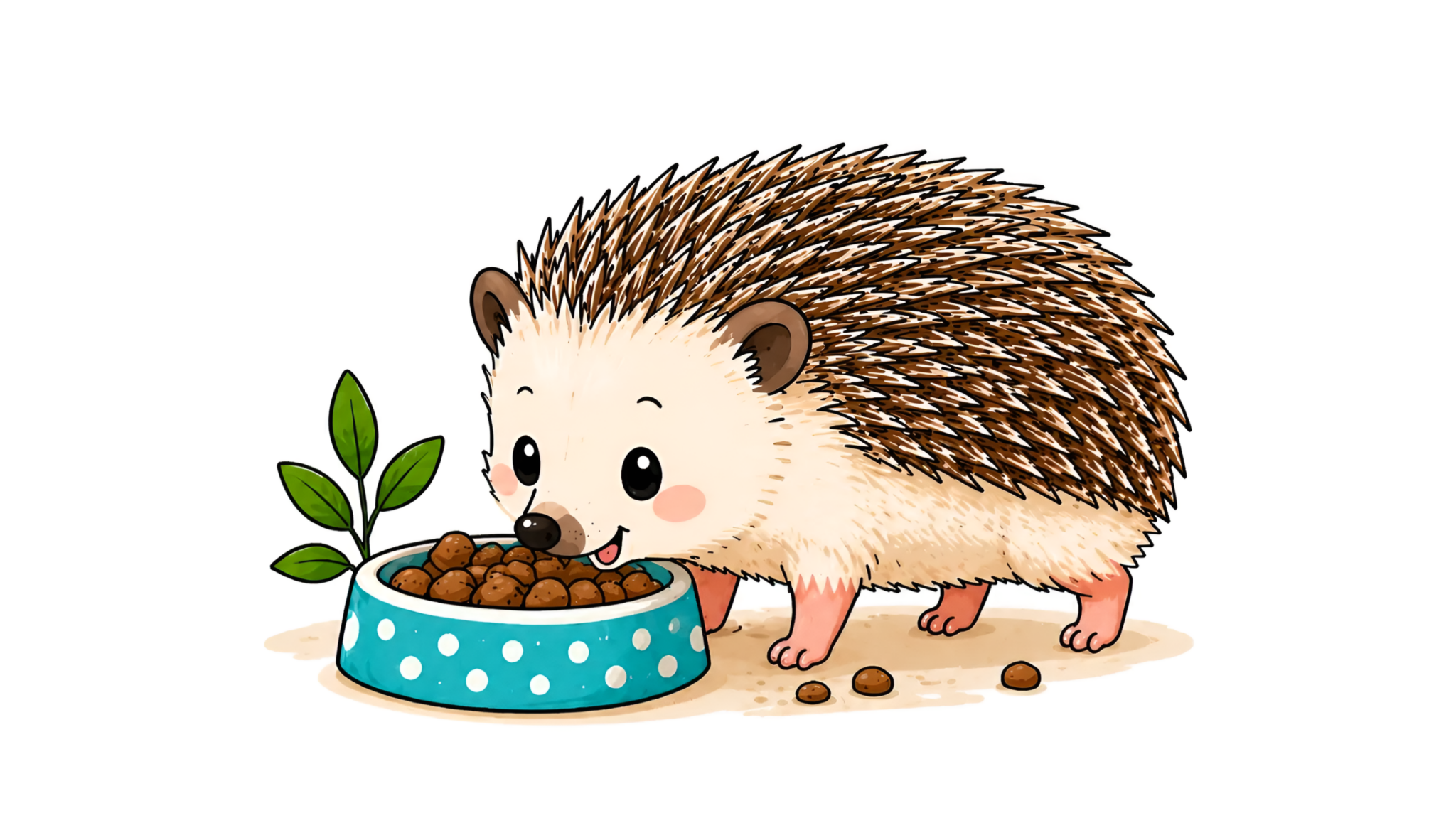
What do hedgehogs eat? It is one of the most important questions any new hedgehog owner needs to answer correctly, because diet is one of the primary determinants of hedgehog health and longevity. Hedgehogs are insectivores by nature — in the wild, the majority of their diet consists of insects, larvae, worms, and other invertebrates, supplemented by the occasional small vertebrate, egg, or piece of fruit. In captivity, replicating that nutritional profile as closely as practical is the goal, and getting it right requires understanding both what hedgehogs need and what common feeding mistakes cause the most harm. This guide covers everything from staple foods and supplements to dangerous foods to avoid and practical feeding schedules.
What Do Hedgehogs Eat in the Wild?
Understanding what hedgehogs eat in the wild gives essential context for what they need in captivity. Wild African pygmy hedgehogs (Atelerix albiventris) — the species that makes up virtually all pet hedgehogs — are opportunistic insectivores that forage actively at night across large territories. Research published through the African Wildlife Foundation documents that wild hedgehogs consume a diverse diet that varies seasonally based on what is available.
The bulk of the wild diet consists of insects in various life stages — beetles, moths, caterpillars, crickets, and grasshoppers are all consumed readily. Earthworms and other worms are a significant protein source. Snails, slugs, millipedes, and other invertebrates round out the invertebrate portion of the diet. Small amounts of plant matter — primarily fallen fruit — are consumed occasionally but are not a nutritional priority. Very occasionally, wild hedgehogs will consume small vertebrates including frogs, lizards, mice, or eggs found opportunistically.
This diet is high in protein, moderate in fat from insect sources, low in carbohydrates, and very high in fiber from chitin — the structural material that makes up insect exoskeletons and that plays a meaningful role in hedgehog digestive health. Captive diets that are too high in carbohydrates and too low in animal protein diverge significantly from this profile, which is a major contributing factor to obesity and related health problems in pet hedgehogs. Monitoring hedgehog weight regularly is an important part of managing dietary health in captivity.
The Staple Diet: Hedgehog Food or Cat Food?
The question of what to use as the primary staple food for captive hedgehogs has been debated within the exotic pet community for years, and the answer has evolved as more information has become available.
Purpose-formulated hedgehog food exists and is marketed specifically for this purpose, but quality varies enormously between products. Some specialist hedgehog foods provide an appropriate nutritional profile — high protein, moderate fat, low carbohydrate, good fiber content — while others are nutritionally inferior, high in sugar or fruit pieces that hedgehogs do not need in quantity, or based on corn and grain fillers that provide calories without appropriate nutrition. Our guide to the best hedgehog food and best hedgehog dry food covers the products that meet the nutritional criteria hedgehogs actually need.
High-quality cat food — specifically a dry cat food with a strong protein source as the primary ingredient, low fat content, and no added sugars or excessive grain filler — has long been recommended by exotic animal veterinarians as a suitable or even superior alternative to most commercial hedgehog foods. The Association of Exotic Mammal Veterinarians has published guidance indicating that many commercial hedgehog foods are nutritionally inadequate and that quality low-fat cat kibble is a reasonable dietary foundation for captive hedgehogs.
The specific criteria for choosing a cat food for hedgehogs are: protein content of at least 30%, fat content below 15%, a named animal protein (chicken, turkey, salmon) as the first ingredient, and minimal corn, wheat, or sugar-based ingredients. Many owners use two or three different formulas mixed together to provide variety and reduce dependence on any single product.
Whether you use specialist hedgehog food, quality cat food, or a combination, the key is choosing products that prioritize protein over carbohydrates and avoiding the cheapest, most filler-heavy options.
Image suggestion: A selection of appropriate dry hedgehog food and cat food options suitable for hedgehog feeding. Alt text: “what to feed hedgehogs — appropriate dry food options for hedgehog diet”
Insects: The Essential Protein Supplement
Regardless of how good your hedgehog’s dry food is, insects should form a regular part of the diet. Insects provide not just protein but also chitin, fatty acids, and micronutrients in a form that closely mirrors what hedgehogs evolved to consume. An insect-supplemented diet produces noticeably better coat condition, healthier gut function, and generally more active behavior in most hedgehogs.
Mealworms are the most commonly available and widely used hedgehog insect supplement. Dried mealworms are convenient and have a long shelf life, while live or fresh-frozen mealworms provide more nutritional value and are more engaging for the hedgehog as a foraging experience. Mealworms are high in fat relative to their protein content, so they should be offered as a supplement rather than a staple — a few per feeding session, several times per week, rather than unlimited quantities. Mealworm overfeeding is a well-documented contributor to hedgehog obesity.
Crickets are an excellent insect supplement with a better protein-to-fat ratio than mealworms. Live crickets provide significant enrichment value as the hedgehog hunts them, and freeze-dried crickets are a convenient alternative. Many hedgehogs respond enthusiastically to crickets, making them a useful tool for encouraging a shy or food-reluctant animal to engage.
Dubia roaches are increasingly recommended by exotic animal nutritionists as one of the most nutritionally complete feeder insects available. They have a high protein content, a more favorable fat profile than mealworms, and a softer exoskeleton that makes them easier for hedgehogs to digest. They are less widely available than mealworms or crickets but are worth sourcing if you are committed to optimal hedgehog nutrition.
Waxworms are another option that hedgehogs enjoy enthusiastically — perhaps too enthusiastically. Waxworms are extremely high in fat and should be reserved as an occasional treat only, not offered regularly. A hedgehog that discovers it can get waxworms may refuse other foods in anticipation, which is a problem to avoid.
Earthworms are an excellent supplement if sourced from a clean, pesticide-free source. They closely mirror one of the most significant prey items in the wild hedgehog diet and provide a good protein source. Never use worms from treated gardens or roadsides.
Fruits and Vegetables: Treats, Not Staples
Hedgehogs can eat small amounts of certain fruits and vegetables as occasional treats, but these should never form a significant portion of the diet. The wild hedgehog diet contains very little plant matter, and captive hedgehogs that eat too much fruit or high-sugar vegetables are at increased risk of obesity, dental disease, and digestive upset.
Safe fruits in small quantities include apple (without seeds, which are toxic), banana, blueberries, strawberries, melon, and pear. These should be offered as small pieces — a blueberry or a small square of apple — as an occasional treat rather than a daily addition.
Safe vegetables in small quantities include cooked sweet potato, squash, peas, and leafy greens like romaine or kale. Raw vegetables with high water content are generally acceptable, but starchy or high-sugar vegetables should be kept minimal. Corn is often listed as safe but provides little nutritional value for hedgehogs and is a filler ingredient in many commercial foods for good reason.
Foods that should never be given to hedgehogs include grapes and raisins (toxic), avocado (toxic), onion and garlic (toxic), citrus fruits (too acidic), nuts and seeds (choking hazard and too high in fat), dairy products (most hedgehogs are lactose intolerant), and processed human foods including bread, crackers, and anything with added salt or sugar.
Protein Supplements Beyond Insects
In addition to insects, some owners supplement hedgehog protein intake with small amounts of cooked lean meat — plain boiled chicken, turkey, or scrambled egg are all appropriate in small quantities. These should be offered unseasoned and in small amounts as a supplement to the primary diet, not as a replacement for it.
Cooked egg is particularly well-tolerated by most hedgehogs and provides a complete protein source with good bioavailability. A small piece of scrambled or hard-boiled egg a couple of times per week is a useful addition for hedgehogs that need extra protein — for instance, during recovery from illness or during the active growth phase of juveniles.
Baby food made from plain meat — chicken, turkey, or beef without added onion, garlic, or seasoning — is occasionally used by experienced keepers as a protein supplement for hedgehogs that are refusing solid food due to illness or dental problems. It should not be used as a routine food but is a useful tool in specific circumstances.
How Much Should You Feed a Hedgehog?
Overfeeding is one of the most common dietary mistakes hedgehog owners make, and obesity is one of the most significant health problems in captive hedgehogs. Because hedgehogs are nocturnal animals that run several miles per night in the wild, they are designed for high activity and correspondingly high caloric throughput. In captivity, even with a good hedgehog wheel, activity levels are lower than in the wild, meaning caloric needs are somewhat reduced.
The generally accepted guideline is 1–2 tablespoons of dry food per day for an adult hedgehog, with insect supplements offered several times per week and fruit or vegetable treats offered occasionally. However, the right amount varies by individual — a highly active hedgehog that runs several miles per night on its wheel needs more than a sedentary one. Body condition is the most reliable guide: a healthy hedgehog should have a rounder mid-section that does not appear pinched when it walks, but should not have fat rolls visible at the legs or excessive bulk when it attempts to curl into a ball.
Feeding once daily in the evening — when hedgehogs naturally become active — aligns with their natural feeding schedule. Leave food available overnight and remove any uneaten fresh food in the morning to prevent spoilage. Dry food can be left in the bowl continuously with fresh portions offered in the evening.
Monitoring weight regularly with a hedgehog weight scale is the most objective way to track whether your feeding approach is appropriate. Sudden weight loss is often an early indicator of illness, while gradual weight gain despite consistent feeding suggests the diet or activity level needs adjustment.
Image suggestion: A hedgehog next to a feeding bowl with a small portion of appropriate food showing correct serving size. Alt text: “how much do hedgehogs eat — appropriate portion size in hedgehog feeding bowl”
Water: An Often-Overlooked Dietary Essential
Fresh, clean water must be available to your hedgehog at all times. Hedgehogs can become dehydrated surprisingly quickly, and dehydration is a serious health concern particularly in animals that eat predominantly dry food.
Both water bottles and water dishes can work, though both have considerations. Water bottles provide clean, uncontaminated water and are easy to monitor, but some hedgehogs have difficulty learning to use them and some bottles develop leaks or clog. Water dishes provide easier access but can be contaminated with bedding, food, or waste. Many experienced keepers use a heavy ceramic dish that cannot be tipped over, positioned away from the wheel and high-traffic areas to minimize contamination.
Change water daily regardless of whether it appears to have been consumed. Stagnant water develops bacterial growth rapidly at typical room temperatures, and a hedgehog that is drinking from a contaminated water source is at increased risk of gastrointestinal illness.
Foods That Are Toxic or Dangerous to Hedgehogs
Understanding what hedgehogs cannot eat is as important as knowing what they should eat. Several common foods are toxic to hedgehogs and must be kept entirely out of the diet.
Grapes and raisins are toxic to hedgehogs and can cause kidney failure — the same toxicity mechanism observed in dogs. Even small quantities can cause serious harm and should be completely avoided. Avocado contains persin, a compound toxic to many small mammals including hedgehogs. Onion, garlic, leeks, and chives contain compounds that damage red blood cells in hedgehogs and several other animal species. Citrus fruits are too acidic and cause digestive distress. Chocolate and caffeine are toxic to hedgehogs as they are to most small mammals. Nuts and seeds present a choking and impaction hazard and are unnecessarily high in fat. Insects from the wild — particularly garden-caught insects — carry pesticide and parasite risks including exposure to hedgehog mites and should not be offered.
The Hedgehog Welfare Society maintains guidance on safe and unsafe foods for captive hedgehogs and is a reliable reference for any food you are uncertain about.
Signs of Nutritional Problems
Several common health signs indicate dietary issues worth addressing. Obesity — visible fat rolls, difficulty curling into a full ball, excessive weight on the scale — indicates overfeeding or a diet too high in fat and carbohydrates. Loose or abnormal stools can indicate too much fruit, dairy exposure, or a food sensitivity. Changes in hedgehog poop color, consistency, or frequency are one of the earliest indicators of dietary problems and are worth monitoring. Dull quills or poor coat condition can indicate protein deficiency or essential fatty acid imbalance. Dental tartar buildup is linked to diets too high in soft foods and insufficient dry kibble for mechanical dental cleaning — a hedgehog toothbrush used periodically can help manage dental hygiene.
If you are uncertain whether your hedgehog’s weight and body condition are appropriate, an exotic animal veterinarian can assess body condition score and give dietary guidance tailored to your individual animal. The Association of Exotic Mammal Veterinarians member directory is the best starting point for finding a vet experienced with hedgehogs in your area.
Feeding Enrichment and Foraging
Because hedgehogs are intelligent animals that forage actively at night in the wild, feeding in a way that engages their natural foraging instinct provides enrichment that supports mental and physical health. Scattering some dry food or insects around the cage floor rather than presenting everything in a bowl encourages foraging behavior. Hiding food inside hedgehog toys or tunnels gives the hedgehog a puzzle to solve and provides enrichment beyond simply eating from a bowl. Live insects offered in a smooth-sided container the hedgehog can hunt in provide the most naturalistic feeding experience of all.
Foraging enrichment also helps prevent the boredom-related behaviors — excessive self-grooming, repetitive pacing, and lethargy — that sometimes develop in hedgehogs with insufficiently stimulating environments.
Frequently Asked Questions
Can hedgehogs eat cat food? Yes — a high-quality, low-fat dry cat food with a named protein as the first ingredient is an appropriate dietary foundation for hedgehogs and is often recommended by exotic vets over many commercial hedgehog foods.
How often should I feed my hedgehog insects? Several times per week is ideal for most hedgehogs. Mealworms specifically should be limited to a few per session due to their high fat content. Crickets and dubia roaches can be offered more freely.
Can hedgehogs eat fruit every day? No. Fruit should be an occasional treat only — once or twice per week at most, in very small quantities. Daily fruit feeding adds unnecessary sugar to the diet and contributes to obesity and dental problems.
Why is my hedgehog not eating? Loss of appetite in hedgehogs can indicate illness, dental pain, stress from environmental changes, or — in a home that is too cold — the onset of dangerous torpor. Check the temperature in your hedgehog’s environment first, then consider whether any other changes have occurred. Persistent refusal to eat warrants an exotic vet visit.
Do hedgehogs need vitamin supplements? Many exotic vets recommend a vitamin supplement for hedgehogs eating primarily dry food without diverse insect supplementation. Quality hedgehog vitamin supplements provide insurance against any micronutrient gaps in the primary diet.
Final Thoughts on What Hedgehogs Eat
What do hedgehogs eat? At their best, a varied diet of quality protein-rich dry food, regular insect supplements, occasional fruit treats, and constant access to fresh water — a diet that honors their insectivore biology and supports a healthy weight throughout their lives. Getting this right from the start is one of the most impactful things you can do for your hedgehog’s health and how long it lives.
Feed your hedgehog well, set up its home thoughtfully, and give it the tools it needs to thrive — and you will find all of those tools gathered in one convenient place at the Herdurbia Best Hedgehog Products hub, your go-to resource for small pet care done right.