
Origin And Natural Habitat
Uruguay, Paraguay, and Brazil define the confirmed range of Grammostola alticeps — an endemic distribution across the temperate and subtropical grasslands and savannas of southern South America that gives the species the same broad bioregional character as its closest relatives in the Grammostola genus. Paraguay is the primary documented range country in keeper documentation, with the subtropical climate of Asunción — average temperatures from 17°C in July to 27°C in January, with annual rainfall of approximately 1,120mm in the Asunción area and the Chaco receiving heavy summer rainfall and almost no rain in winter — providing the seasonally variable, moderately humid grassland and savanna conditions that characterise the care profile.
The seasonal character of the Paraguayan and Uruguayan climate — wet summer, dry winter — produces a spider adapted to periodic moisture availability rather than continuous tropical humidity, with the warm season driving the feeding and growth activity and the cooler, drier winter producing the natural slowdown that the slow metabolic pace of all Grammostola reflects across their extraordinary long lifespans.
Scientific Classification
Originally described as Citharoscelus alticeps by Pocock in 1903 and subsequently placed in Grammostola, G. alticeps sits within the same southern South American Grammostola complex as the Brazilian Black (G. pulchra), Chaco Golden Knee (G. pulchipes), and Brazilian Red-rump (G. actaeon). A specific and important hobby problem deserves early mention: this species has been mistaken and imported as G. pulchra in the past, and hybridisation with other Grammostola has occurred in some captive lines — making a pure bloodline G. alticeps genuinely hard to find and making provenance verification with the seller an important step before acquiring specimens. The World Spider Catalog and iNaturalist confirm G. alticeps (Pocock, 1903) as the current valid name.
Species Overview
Grammostola alticeps occupies a specific and genuinely underappreciated position in the Grammostola genus — a species whose adult colouration rivals the Brazilian Black in elegance, whose temperament is described as among the sweetest of any tarantula available, and whose care profile is entirely beginner-accessible, yet which is routinely overlooked in favour of the more famous genus relatives. The practical challenges around this species are not care-related but sourcing-related — hybridisation, misidentification as pulchra, slow growth rate, difficult breeding, and not enough people working with pure bloodlines have all conspired to make confirmed pure G. alticeps harder to find than its beginner-appropriate care would suggest. They are docile, hardy and a pleasure to own — from a scale of 1 to 10 with 10 being most aggressive, this species is 1 to 2 in most individuals.
Appearance And Size
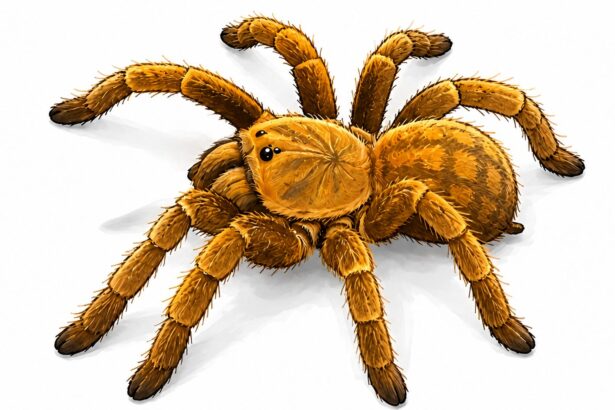
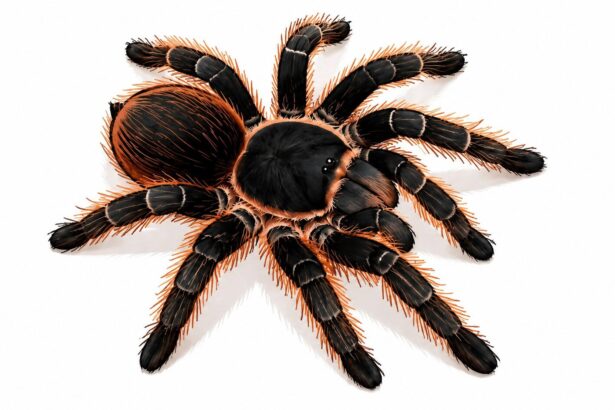
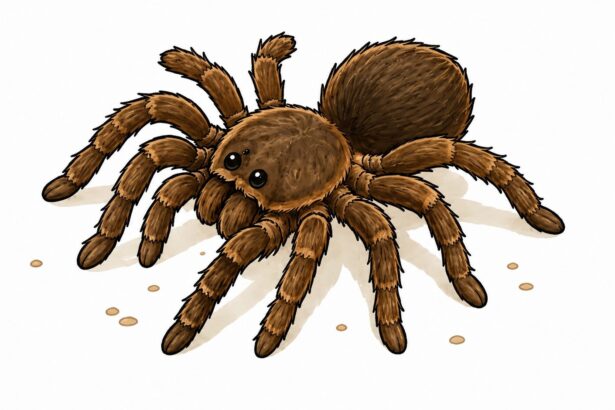
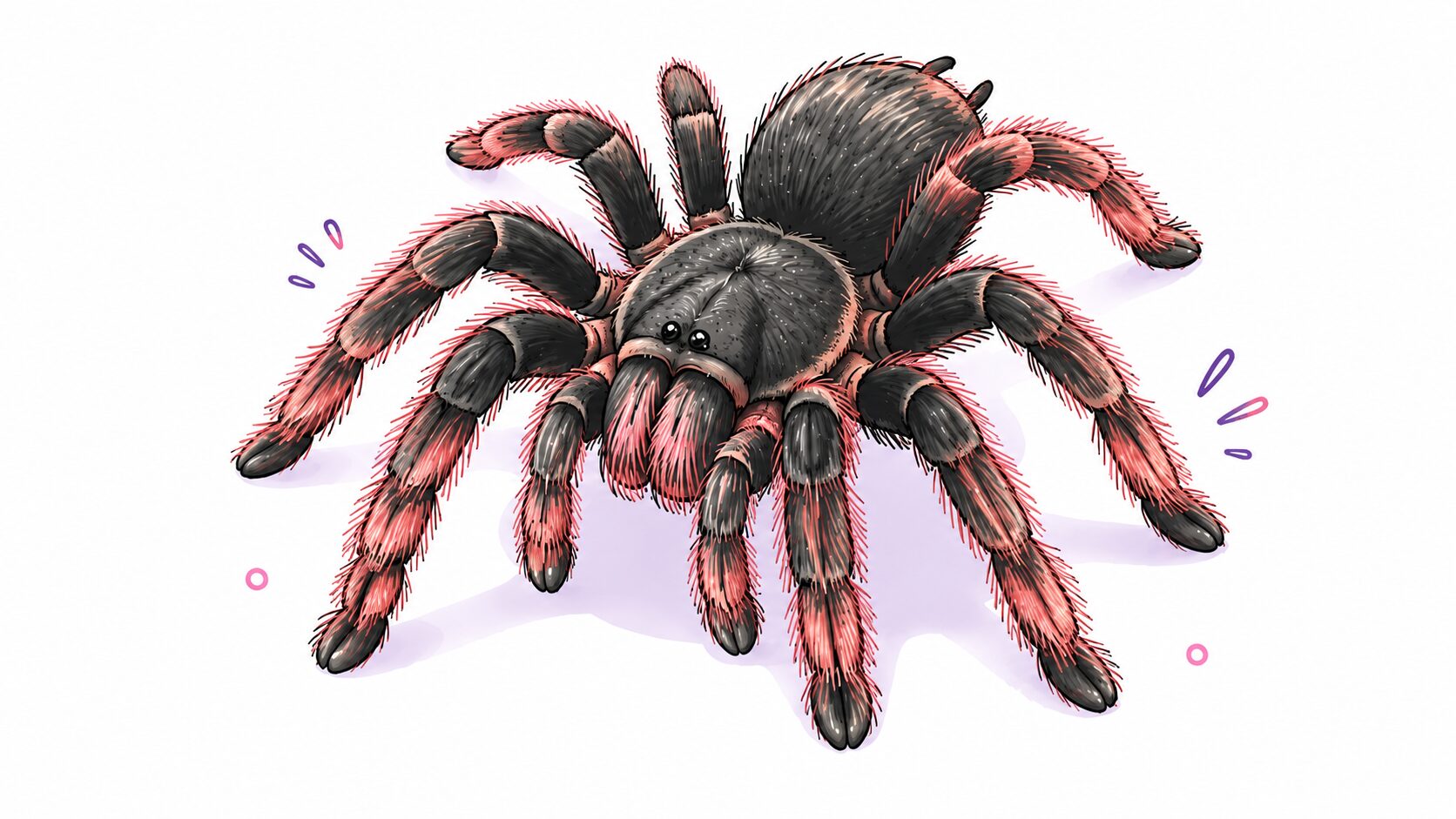
The adult colouration is the visual payoff that patience delivers — and it takes patience, because the species stays brown in the early stage of life until hitting mid-stage, from which point colour just gets better and better. The settled adult palette is an overall light brown to smokey-grey appearance — the grey-smoke quality that earns the common name — with a wonderful warm glow from the rich red-brown setae that are brightest on leg pairs 2, 3, and 4. This combination of smoky grey base and warm red-brown setae produces a three-dimensional visual quality that shifts with lighting angle — the setae catching warm light against the cooler grey background in a way that rewards close observation. The light reddish-orange underbelly adds a warm accent visible when the spider moves. The body is heavily built and robustly setae-covered — the dense, fluffy Grammostola character present throughout.
Adults can reach 15 centimetres in legspan — approximately 6 inches — with optimal care specimens reaching 6 inches and above. Growth rate is slow — entirely consistent with the genus. Egg sacs contain 150 to 250 eggs — a medium count, considerably more productive than the Brazilian Red-rump but less than the most productive large tarantulas.
Housing
A terrestrial enclosure with floor space as the priority and adequate substrate depth for an opportunistic burrowing species. A terrestrial setup with at least 4 times the size of the spider in horizontal space, 5 to 10 centimetres of substrate, a shelter, and a water dish suits adults well. For females reaching 15 centimetres legspan, a footprint of 25 by 30 centimetres gives adequate floor space. A latching lid is standard. These tarantulas are quite relaxed and comfortable staying out in the open — the generous floor space matters because it will be used rather than retreated from. Our best tarantula enclosure guide covers terrestrial formats appropriate for large South American grassland terrestrial species, and our best tarantula sling enclosure covers the smaller formats needed through the long slow juvenile phase.
Enclosure’s Decorations
Cork bark at substrate level with a pre-formed burrow beneath provides the primary retreat structure. A shallow water dish at the opposite end provides hydration. The Paraguayan and Uruguayan grassland character can be approximated with flat cork pieces and minimal decoration that leaves generous open floor space for a species that uses it. Our best tarantula hide and best tarantula cork bark guides cover appropriate pieces for large southern South American terrestrial species.
Substrate
Five or more inches of moderately moist substrate appropriate for the subtropical grassland and savanna habitat of the Paraguayan and Uruguayan range. Coconut coir and topsoil or peat moss gives the moisture retention and structural firmness appropriate for the subtropical conditions — reflecting the warm summer rainfall character with a cycling moisture approach of occasional watering allowed to dry between additions. Our best tarantula substrate guide covers appropriate blends for southern South American subtropical grassland terrestrial species.
Water And Humidity
A shallow water dish at all times, refreshed every two to three days. Moderate humidity of 65 to 70 percent is appropriate — consistent with the subtropical grassland character of Paraguay and Uruguay where humidity is moderate rather than the extremes of either tropical rainforest or hyperarid desert. A hygrometer confirms actual conditions, and a misting bottle handles occasional targeted substrate moisture additions.
Heating And Temperature
The subtropical climate of Paraguay maintains average temperatures from 17°C in the cool season to 27°C in summer. A captive range of 72 to 80°F suits this species well — room temperature in most temperate homes provides appropriate conditions without supplemental heat for much of the year. A side-mounted heat mat controlled by a thermostat handles periods when ambient temperatures drop consistently below 68°F. A thermometer at substrate level confirms actual enclosure conditions.
Diet And Nutrition
Crickets, dubia roaches, and other appropriately sized invertebrates every ten to fourteen days for adults — they eat well and respond heartily to meals, a reliable feeding response that makes care straightforward. Extended pre-moult fasting is entirely normal and can last months in adults. Remove uneaten prey within 24 hours. Our best tarantula food guide covers feeder options and sizing for large slow-metabolising South American subtropical grassland terrestrial species.
Compatibility
Solitary only. The hybridisation and misidentification history makes provenance documentation for any breeding programme particularly important — pure bloodline G. alticeps is very hard to find, and any confirmed breeding from genuinely pure specimens represents a significant contribution. The medium egg sac size of 150 to 250 eggs makes successful pairings productively rewarding.
Behavior And Temperament
Docile, hardy, and a pleasure to own — slightly inquisitive and slow to get annoyed, with individuals getting nosey as maintenance is done around the enclosure, reaching out and trying to figure out what is going on in their surroundings. Having raised hundreds of individuals, the consistent experience is they have the best personality from all tarantula species worked with — an enthusiastic keeper endorsement that consistently sets this species apart on the docility axis even within the famously calm Grammostola genus. The nosy, inquisitive quality described in multiple keeper sources is a genuinely endearing character that makes routine maintenance an engaging interaction rather than a stressful exercise. Urticating hairs are present as the standard New World defensive tool.
Handling
One of the best temperaments available for handling — the extreme docility and inquisitive nosy character make this one of the most naturally engaging species for calm, confident handling interactions. Standard floor-level protocol with slow movements. The warm red-brown setae on the mid-legs are particularly striking at close range — a subtle but genuinely beautiful feature that rewards observation during handling. Venom is medically insignificant to healthy humans.
Health And Lifespan
Female lifespan is not precisely documented but based on the genus character and adult size is expected to reach 20 or more years. The species is described as hardy within appropriate care conditions. The bloodline purity issue means any individual’s health and genetic integrity is worth knowing about — confirming provenance from the seller reduces the risk of unknowingly keeping a hybrid rather than pure G. alticeps. Our tarantula dehydration article covers identification and recovery for dehydration concerns in slow-growing subtropical South American terrestrial species.
Price
Available from specialist vendors with limited regularity given the bloodline purity challenges and the slow growth rate that reduces breeding productivity. Spider Shoppe stocks this species periodically. Slings at 1 inch typically sell for $40 to $80 USD — reflecting the moderate rarity and the collector premium on confirmed pure bloodline specimens. Juveniles range from $80 to $150. Confirmed adult females command $150 to $300 depending on size and provenance confirmation. Source captive-bred specimens only and verify bloodline provenance with the seller — Brazil, Paraguay, and Uruguay all have wildlife protection legislation, and the hybridisation history makes responsible, documented sourcing genuinely important for maintaining the genetic integrity of this species in captivity. Everything needed to keep this nosy, sweet-tempered South American giant correctly across its remarkable lifespan is on our best tarantula products page.