
Origin And History
Long before dog shows existed, before breeds were formally documented, and before the Western world had even heard of them, Afghan Hounds were already ancient. DNA research has confirmed what enthusiasts long suspected. This is one of the oldest dog breeds on earth, with origins tracing back thousands of years to the rugged mountain ranges and desert terrain of Afghanistan, where the breed was known simply as the Tazi.
Nomadic tribes across Afghanistan, Pakistan, and northern India developed the breed over millennia as a hunting companion capable of chasing down gazelle, hare, and remarkably, even snow leopards across some of the harshest terrain on the planet. Their thick, silky coat was not bred for aesthetics. It was functional insulation against the extreme cold of the Afghan highlands. Their speed, keen eyesight, and ability to work independently without direction from a handler made them invaluable to hunters who needed a dog that could think for itself at full sprint.
Much of the breed’s early history has been lost to the turbulence of the region. Successive invasions and wars destroyed records that might have filled in the gaps. What is known is that the Afghan remained almost completely isolated from the outside world until British soldiers stationed near the Indian-Afghan border encountered the breed in the 19th century and brought dogs back to England. A particularly striking dog named Zardin, brought to England in 1907 by Captain John Barff, became an early standard-bearer for the breed. By 1925, Mary Amps, whose husband was stationed in Kabul, imported the influential Ghazni strain to England, and those dogs soon made their way to America.
The American Kennel Club recognized the Afghan Hound in 1926. The breed went on to win Best in Show at Westminster in both 1957 and 1983, cementing its status as one of the most glamorous dogs in the show ring. In 2005, the Afghan Hound made history in a different way entirely. A black and tan Afghan named Snuppy became the world’s first cloned dog, produced by South Korean scientists and named TIME magazine’s Invention of the Year.
Breed Overview
| Trait | Details |
|---|---|
| Breed Group | Hound |
| Height | 25–27 inches |
| Weight | 50–60 pounds |
| Lifespan | 12–14 years |
| Coat | Long, fine, silky |
| Colors | Fawn, gold, red, cream, blue, brindle, white, tricolor |
| Temperament | Aloof, loyal, independent, sensitive |
| AKC Recognition | 1926 |
Appearance And Size
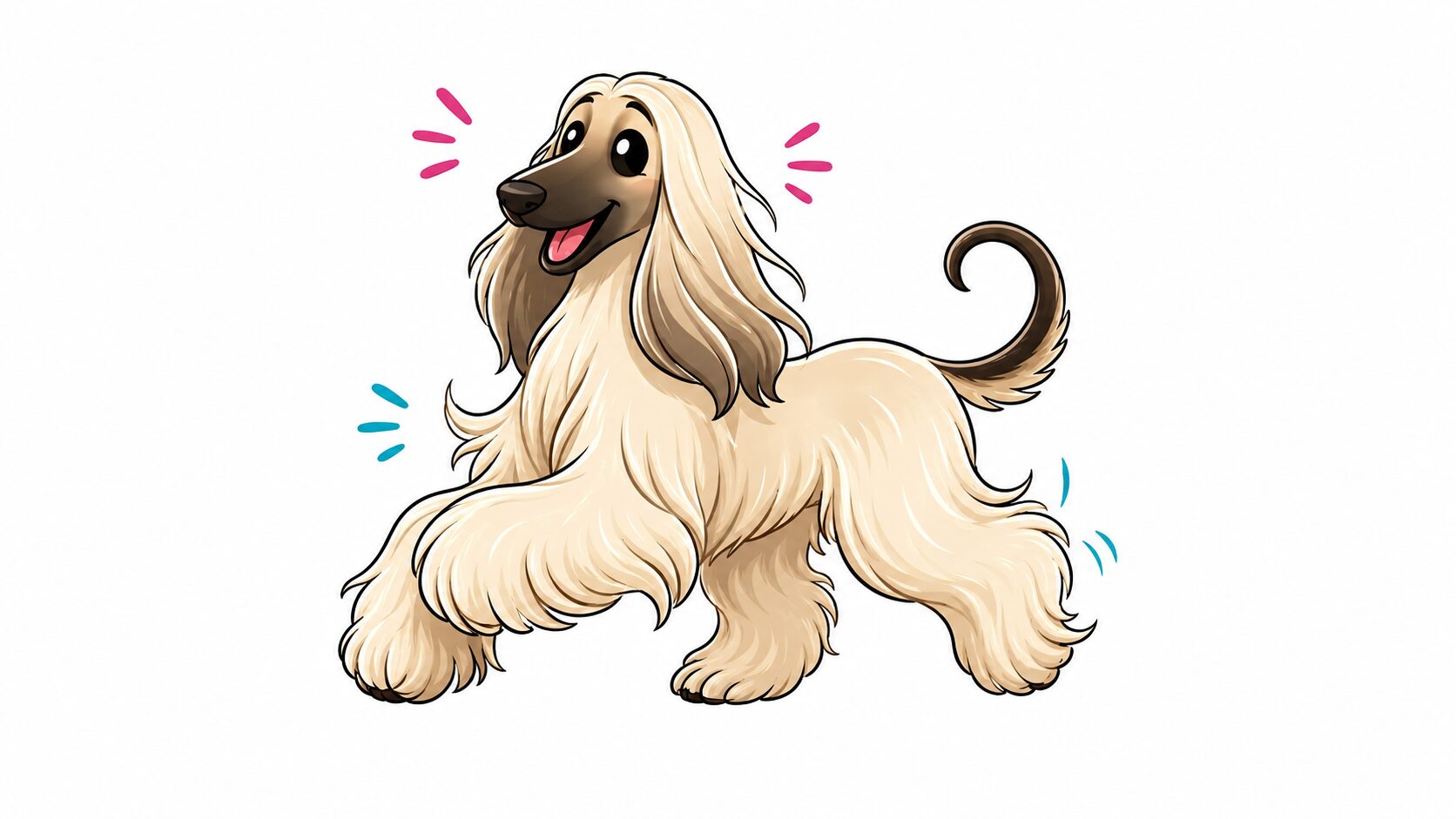
There is no other dog that looks quite like an Afghan Hound. Standing 25 to 27 inches at the shoulder and weighing between 50 and 60 pounds, they are a large, lean, and breathtakingly elegant breed. Their silhouette alone is enough to stop a room. The long, narrow head carries a trademark topknot of flowing hair, the fine-boned muzzle is refined and aristocratic, the prominent hip bones are a breed characteristic, and the long tail ends in a distinctive ring curl low to the ground.
The coat is the feature that draws the most attention, and rightfully so. It is long, fine, and extraordinarily silky, flowing from virtually every part of the body with the exception of the back, where a short-haired saddle develops in maturity. It comes in almost every color imaginable. Fawn, gold, red, cream, blue, brindle, white, and tricolor are all found in the breed. The face is framed by long, silky ears that lie flat against the head, and the eyes are dark, almond-shaped, and carry an expression that can only be described as dignified.
Beneath all that coat is a body built for speed. Their frames are narrow, deep-chested, and muscular in the hindquarters. The Afghan is an athlete in formal attire.
Housing And Living Requirements
The Afghan Hound is adaptable in terms of living space but has very specific needs when it comes to outdoor access. A home with a large, securely fenced yard is strongly preferred. Afghan Hounds are exceptional jumpers and their prey drive is powerful. If they spot something worth chasing, they will go after it without a second thought and without looking back. A tall, solid fence is not optional with this breed. Off-leash exercise in any unsecured area is genuinely dangerous.
They can adapt to apartment living only if their exercise requirements are met with real commitment every single day, which is a tall order. For most owners, a house with access to a secure outdoor space is the more practical setup.
Inside the home, Afghan Hounds are calm and relatively quiet. They are not destructive by nature when their needs are met, and they carry themselves with a kind of natural dignity indoors. A large, comfortable dog bed is a must. These dogs appreciate their comfort and spend meaningful time resting between activity sessions. Their long coat also means that sharp surfaces or rough flooring can cause unnecessary coat damage, so soft resting areas matter.
They do not tolerate being left alone for extended periods. The Afghan forms deep bonds with their family and can become anxious without adequate human connection.
Exercise Requirements
The Afghan Hound is a sighthound built for speed, and their exercise needs reflect that. At least one to two hours of daily exercise is recommended, combining structured walks with regular opportunities to run freely in a secure space. A long daily walk alone will not fully satisfy this breed. They need to stretch their legs and move at speed to truly burn off their energy.
Lure coursing is an ideal outlet and deeply suited to the Afghan’s natural instincts. Many owners also find that agility, though unconventional for a sighthound, provides both the physical and mental stimulation the breed needs. What matters most is that the activity is genuinely vigorous and that free running happens in a fully enclosed area every single time, no exceptions.
A set of dog agility equipment can be a worthwhile investment for owners with space, giving an Afghan a safe and engaging way to run, jump, and use their athletic ability in a controlled environment. After vigorous exercise sessions, Afghans tend to rest for extended periods. Bursts of intense activity followed by long rest is very much how they operate naturally.
Grooming Requirements
There is no sugarcoating this. The Afghan Hound is one of the most demanding breeds in the world when it comes to grooming. That spectacular coat is the breed’s greatest feature and its most labor-intensive responsibility. Brushing and combing is required every two to three days at minimum, and daily during the transition from puppy coat to adult coat, which is a prolonged and particularly tangle-prone period. Weekly bathing is recommended to reduce matting, and the coat should always be brushed while slightly damp to minimize breakage.
The coat does not need to be clipped or trimmed for a pet dog, but it does need regular professional grooming every six to eight weeks if the owner is not handling all maintenance at home. Afghan Hounds shed their coats in spring and fall, and unspayed females shed after every season. The coat is long enough to drag on the ground in some areas, which means it picks up debris, burrs, and tangles quickly during outdoor time.
A quality dog GPS tracker is also worth considering for this breed given their tendency to bolt. Knowing exactly where your dog is at all times provides meaningful peace of mind. Beyond coat care, standard maintenance applies: trim nails regularly, clean ears, and keep up with dental hygiene.
Diet And Nutrition
The Afghan Hound is naturally a lean dog, and that leanness can mislead new owners into thinking their dog is underweight. The prominent hip bones that are characteristic of the breed are completely normal, and the coat often makes it difficult to accurately assess body condition. The best approach is to feel beneath the coat. You should be able to feel the ribs without pressing hard, but they should not be visible.
A high-quality diet appropriate to their age and activity level is the foundation of good Afghan Hound nutrition. A large-breed adult formula with quality protein as the first ingredient supports their lean, muscular build. Most adult Afghans do well on two meals per day. Monthly food costs typically run between $60 and $90 depending on the brand and formula chosen.
Because of the breed’s deep chest, bloat is a genuine risk. The full name is gastric dilatation-volvulus, and it is a life-threatening condition where the stomach twists on itself. Feeding smaller meals rather than one large meal, avoiding exercise immediately before and after eating, and using a slow-feeder bowl to reduce the speed of eating are all practical steps to lower that risk. Discuss bloat prevention with your vet and take it seriously. Training treats work well as rewards during sessions but should be factored into the daily calorie count.
Compatibility
The Afghan Hound is not a breed for everyone, and being candid about that upfront helps set realistic expectations. They tend to choose a favorite person and form their deepest bond with that individual, though they can be genuinely warm and affectionate within the full family circle. With strangers, they are typically reserved and aloof. Do not expect your Afghan to greet guests enthusiastically at the door. They are more likely to observe from a distance and make their own assessment on their own timeline.
With older, considerate children, Afghans can do well. Very young children who are loud, unpredictable, or rough are a poor match for the Afghan’s sensitive, somewhat introverted nature. With other dogs, they generally coexist well, particularly with other sighthounds. Small animals are an entirely different matter. The prey drive is strong and deeply instinctive, and small pets should not be trusted around an Afghan Hound without careful, supervised introductions.
A dog crate can be a genuinely useful tool during the settling-in period, giving the Afghan a secure, calm space of their own as they adjust to a new household. These dogs benefit from having a quiet retreat in busy environments.
Behavior And Temperament
The Afghan Hound Club of America describes the breed as having an aloof and elegant air. These are dogs that seem to know they are royalty and expect to be treated accordingly. With their own people, however, they can be surprisingly goofy, playful, and even clownish, with a dry sense of humor that catches new owners off guard. The public face and the private face are genuinely different with this breed.
They are independent thinkers by centuries of design. They were bred to make chase decisions at full speed without waiting for instruction, and that self-directed intelligence is still very much present. This is not a dog that will defer to you simply because you are the owner. They are sensitive to tone and emotion and do not respond well to harsh environments, loud households, or rough handling. They read the room carefully and will withdraw from situations that feel tense or uncomfortable.
They are not known as barkers and do not make reliable watchdogs in the traditional sense. They are more likely to observe a stranger with cool indifference than to raise an alarm. Their quiet dignity is one of the things that makes them so compelling to live with, once you understand and accept that it comes packaged with a healthy dose of independence.
Training And Handling
Training an Afghan Hound is one of the more instructive exercises in canine patience. They are intelligent, genuinely and deeply intelligent, but their intelligence does not come with an eagerness to comply. They will hear your command, consider it carefully, and then decide whether or not it merits a response. The only approach that works is positive reinforcement, and the most successful trainers of this breed describe their method as making the dog believe that performing the behavior was their own idea in the first place.
Keep training sessions short, engaging, and varied. Repetition bores them quickly. Food rewards work well, and the best results come from building a relationship of mutual respect rather than demanding compliance. Early socialization is important. Exposing a young Afghan to a wide range of people, sounds, and environments helps prevent their natural aloofness from becoming anxiety or reactivity later in life.
Recall training deserves special attention and should be worked on consistently from puppyhood. An Afghan Hound that has spotted something worth chasing will not hear you calling. Their focus narrows completely. For this reason, dog training treats with high food value are particularly useful for recall work, where you need maximum motivation. Off-leash reliability in an unfenced area is not a realistic goal for most Afghan Hounds regardless of training, and that is not a failure. It is simply the nature of the breed.
Health And Lifespan
The Afghan Hound is generally a healthy, robust breed with a lifespan of 12 to 14 years. They are not considered a high-risk breed for inherited conditions, but there are some predispositions every owner should understand.
Bloat (Gastric Dilatation-Volvulus) The Afghan’s deep chest makes them susceptible to bloat, a life-threatening condition where the stomach twists on itself. It requires emergency surgery and can be fatal if not treated immediately. Understanding the warning signs, including unproductive retching, a distended abdomen, and restlessness after eating, is essential for any Afghan owner.
Hip Dysplasia Abnormal development of the hip joint can lead to pain and arthritis over time. Reputable breeders test for this condition, and keeping the dog at a healthy weight reduces its impact significantly.
Cataracts Hereditary cataracts can affect vision and are worth monitoring through regular veterinary eye exams.
Hypothyroidism An underactive thyroid can cause weight gain, lethargy, and coat changes. It is treatable with lifelong hormone replacement medication.
Sensitivity to Anesthesia Afghan Hounds, like other sighthounds, have very low body fat and metabolize anesthesia differently from other breeds. This is a critical point to communicate to any vet performing a procedure involving sedation. Any veterinarian who is not familiar with sighthound anesthesia protocols should be made aware before any procedure takes place.
Starting your dog early on joint supplements is worth discussing with your vet given the breed’s hip dysplasia risk. Choosing a puppy from a breeder who conducts health screening on their dogs, particularly for hips and eyes, makes a meaningful difference in long-term outcomes.
Price And Availability
The Afghan Hound is not a common breed, and finding a well-bred puppy requires patience and research. From a reputable breeder, expect to pay between $2,000 and $3,000 for a puppy, with show-quality dogs from champion bloodlines commanding more. The breed’s relatively small number of active breeders in the United States means waiting lists are common.
Adoption is a meaningful alternative. The Afghan Hound Club of America’s National Rescue is the best starting point for finding adoptable dogs, with fees typically ranging from $150 to $500. Rescue Afghans often arrive already spayed or neutered and with a known health history.
Beyond the purchase price, ongoing ownership costs for this breed are genuinely high. Professional grooming alone can run $65 to $130 per session every six to eight weeks. Food costs for a large, active breed, routine veterinary care, and pet insurance all add up quickly. Annual expenses outside of the initial purchase price typically range from $2,400 to over $3,500 depending on the individual dog’s needs and your location.
Any breeder who cannot provide health testing documentation, refuses to let you meet the puppy’s parents, or sells through a pet store or online marketplace without proper vetting should be avoided.
Conclusion
The Afghan Hound is a genuinely extraordinary breed. Ancient, elegant, and unlike anything else in the dog world. They are not easy, and they are not cheap, and they will absolutely not do whatever you want simply because you ask them to. But for the right owner who appreciates their regal independence, commits to the grooming, and gives them the space and exercise they need, living with an Afghan Hound is a singular experience that is hard to replicate with any other breed. Before your Afghan arrives, make sure you have everything ready. Our Best Dog Products page covers all the essentials for large, active breeds with high-maintenance coats and even higher standards.