
Origin And History
There are ancient breeds and then there are breeds so old that the civilization that created them has itself become a subject of archaeological study. The Alopekis belongs to that second category. This is not a breed shaped by Victorian era kennel clubs or 20th century breeding programs. It is a living artifact from a Greece that built the Parthenon, and it has been accompanying people through the centuries ever since.
Archaeological evidence places the Alopekis in Greece as far back as the Paleolithic era, with some of the earliest confirmed depictions appearing on pottery and figurines from Thessaly dating to around 3000 BC. Dog bones recovered from Neolithic settlements at sites including Sesklo and Sitagroi closely match the skeletal structure of the modern Alopekis, suggesting a continuous presence in the Greek landscape stretching back to the earliest settled communities. The name itself comes from the Greek word alopex, meaning fox, and reflects one of the most consistent observations made about these dogs across thousands of years of recorded history. They look like foxes, they move like foxes, and ancient Greeks found the resemblance so striking that Aristotle, Xenophon, and Aristophanes all referenced the breed in their writings. Xenophon, in his work on hunting, the Cynegeticus, identifies the Alopekis as one of the two main archetypes of Greek dogs, placing it alongside the larger hunting hounds as a foundational canine type in Greek culture.
The ancient Greeks attributed an almost mythological quality to the breed’s fox-like nature. Some writers believed that Alopekis were literally the offspring of dogs and foxes, a claim that said more about how completely the resemblance impressed observers than about actual genetics. The breed was also known by the name Kynalopex, meaning fox-dog, and carried various regional folk names across the Greek islands and mainland that reflected local affection for these small, versatile animals.
In practical terms, the Alopekis was a multipurpose farm dog that earned its keep across several distinct roles. It hunted small game including rabbits and rodents, guarded poultry from foxes, served as a watchdog, and according to some historical accounts was even used in the control of aggressive bulls during training and games of bull-leaping. It was a working animal fully integrated into rural Greek life, present in the homes of farmers and city dwellers alike, depicted consistently in the pottery, sculpture, and artwork of multiple Greek periods.
A hairless variety of the Alopekis also existed in antiquity. The climate of ancient Greece was warmer than today, and as temperatures cooled over the following millennia, the hairless type declined and eventually disappeared entirely. What survived was the coated variety that represents the modern breed.
The 20th century was not kind to the Alopekis. Wars, urbanization, changing agricultural practices, and the flood of foreign breeds into Greece following World War II all contributed to a steep decline in numbers. By the latter half of the century, the breed was considered by many to be nearly extinct. A dedicated group of Greek breeders and enthusiasts began preservation efforts in earnest, documenting surviving dogs, establishing provisional breed standards, and working to stabilize the population. Today the Alopekis is recognized by the Greek Kennel Club and holds provisional recognition with various European breed organizations, though major international bodies including the FCI have not yet granted full recognition. Outside Greece, the breed remains genuinely rare, known primarily to those with a specific interest in ancient and primitive European breeds.
Breed Overview
| Trait | Details |
|---|---|
| Breed Group | Primitive / Landrace |
| Height | 8–12 inches (20–30 cm) |
| Weight | 7–16 pounds (3.5–7.5 kg) |
| Lifespan | 14–16 years |
| Coat | Short or wiry double coat |
| Colors | Black, white, fawn, brown, brindle, bi-color combinations |
| Temperament | Alert, loyal, affectionate, intelligent, lively |
| Recognition | Greek Kennel Club; not recognized by FCI or AKC |
Appearance And Size
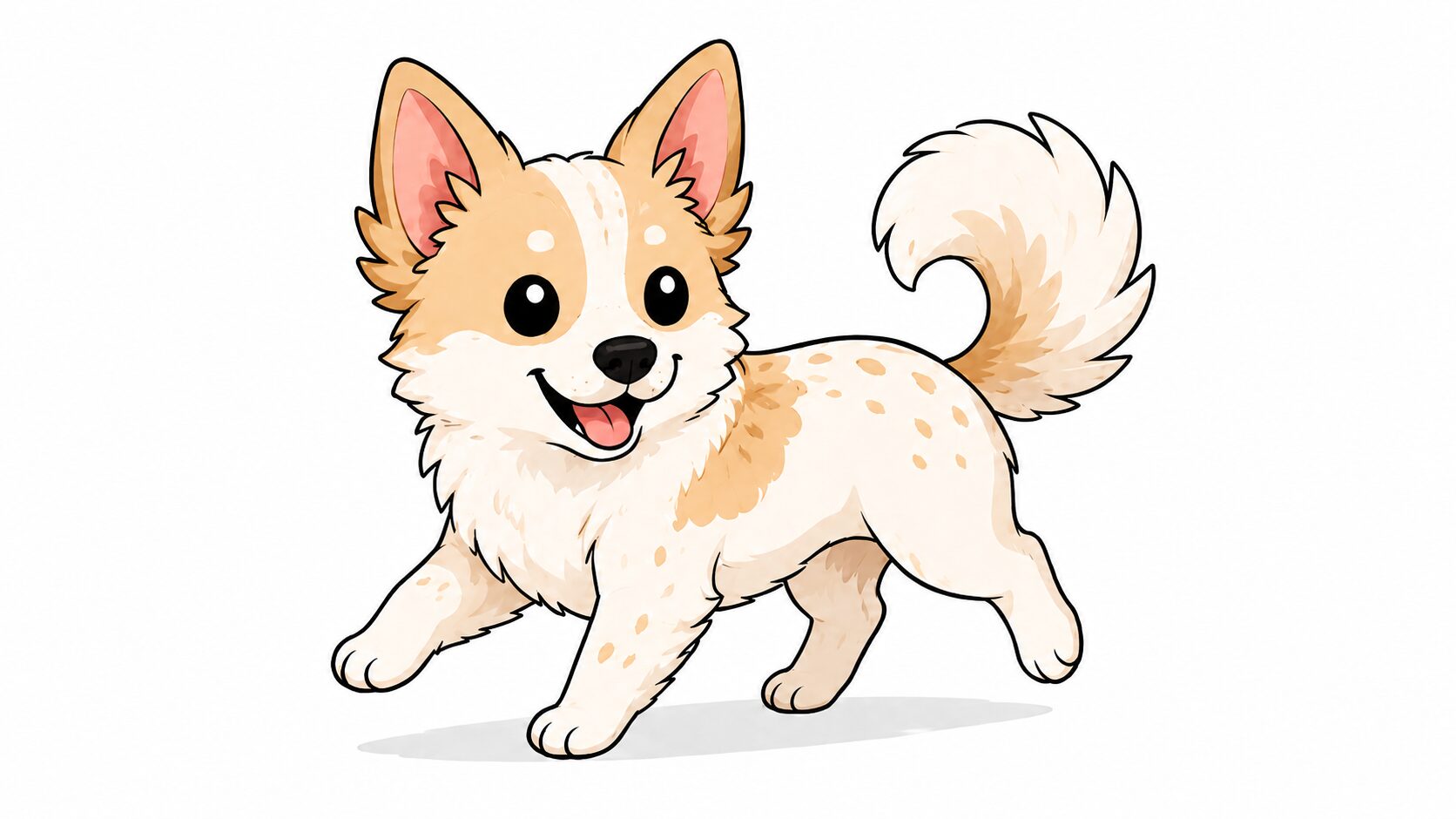
The Alopekis is a small, compact dog with a silhouette that makes the fox comparison immediately understandable. Standing between 8 and 12 inches at the shoulder and weighing between 7 and 16 pounds, it is a light, athletic animal that carries itself with a quickness and alertness that suggests a larger dog in terms of presence and personality.
The head is wedge-shaped, tapering toward the muzzle in the manner of a primitive spitz-type dog. The ears are triangular and fully erect, contributing significantly to the fox-like overall impression. The eyes are almond-shaped, set obliquely in the skull, and carry an expression of keen, alert intelligence that observers have noted consistently across thousands of years of artistic depictions. The muzzle is pointed and refined, the stop is moderate, and the jaw is strong despite the delicate overall appearance of the head.
The body is slightly longer than tall, compact and muscular, with a sturdy bone structure that reflects centuries of working life on Greek farmland. The tail is carried in a curve over the back in the classic spitz fashion, well-furred and carried with the alert upswing that is characteristic of the primitive dog types. The legs are straight, even, and well-proportioned, and the overall movement is quick and light-footed in the manner of a dog bred to pursue small game across varied terrain.
The coat comes in two varieties. The more common type is a short, smooth double coat with a dense undercoat beneath a close-lying outer layer. A wiry-coated variety also exists, though it is less frequently encountered. Colors include black, white, fawn, brown, brindle, and bi-colored combinations with spots or markings. There is no single dominant coloring, and the range of coat colors within the breed reflects its long history as a primitive landrace shaped by natural selection rather than restrictive breed standards.
Housing And Living Requirements
One of the practical advantages of the Alopekis is its genuine adaptability to a range of living situations. Unlike many working breeds that are poorly suited to smaller homes, the Alopekis manages apartment living reasonably well provided its daily exercise requirements are met consistently. Its small size, moderate energy output compared to larger working breeds, and notably low tendency toward nuisance barking make it a more practical urban companion than many dogs of its heritage would suggest.
That said, a home with access to a securely fenced garden or yard is always preferable and gives the Alopekis the outdoor time and freedom of movement that suit its active, curious nature best. The prey drive inherited from thousands of years of small game hunting means any outdoor space must be properly secured. An Alopekis that has spotted a small animal will pursue it, and the speed and agility this breed possesses make catching it once it has bolted a realistic challenge.
Inside the home, the Alopekis is a calm, clean, and remarkably self-sufficient housemate. It grooms itself with a fastidiousness that owners frequently compare to cats, keeping its coat clean and tidy between brushing sessions. It bonds deeply with its family and is not a dog that tolerates being left alone for extended periods without consequence. A large, comfortable dog bed placed where the dog can observe household activity suits the Alopekis’s alert, engaged nature well.
The breed handles varied climates reasonably well, reflecting its history across the temperature swings of the Greek landscape, from Mediterranean heat to cooler highland conditions. In extreme heat, shade and fresh water are important practical considerations.
Exercise Requirements
The Alopekis is an athletic, energetic small breed that needs more meaningful daily exercise than its size might initially suggest. This is not a lapdog content to doze through the day with occasional brief outings. It is a working dog in miniature, descended from animals that spent their days actively pursuing small game and patrolling farm boundaries, and that heritage is still present in its energy levels and exercise needs.
A daily walk of 40 to 60 minutes combined with active play sessions satisfies the breed’s physical requirements under most circumstances. The Alopekis excels at mini-agility, which suits its compact, agile build and its intelligence particularly well. Dog agility equipment sized for smaller breeds provides an excellent structured outlet for a dog that is both physically capable and mentally engaged by problem-solving challenges.
Mental stimulation matters as much as physical exercise for this breed. Puzzle toys and enrichment activities that engage the Alopekis’s natural intelligence and prey drive provide the mental exercise that physical activity alone cannot fully supply. Scent work is a particularly well-suited activity given the breed’s history as a hunting dog with well-developed natural detection abilities.
The Alopekis adapts its energy expenditure to its environment more readily than many primitive breeds, which makes it a more flexible companion for owners with varying daily schedules. A dog that has had a good walk and a play session will settle comfortably for the remainder of the day without the restless behaviors that mark under-exercised working breeds.
Grooming Requirements
The Alopekis is one of the most straightforward breeds to maintain on the grooming front, which is one of the more practical advantages of owning an ancient primitive breed that was never selected for elaborate coat characteristics. The short-coated variety requires only a weekly brushing with a soft bristle brush or rubber grooming mitt to remove loose hair and keep the coat clean and healthy. The wiry-coated variety benefits from slightly more frequent attention to prevent any tendency toward matting.
The breed sheds moderately throughout the year and more heavily during seasonal coat transitions. Regular brushing during these periods reduces the volume of hair distributed around the home and keeps the coat in the best possible condition. Bathing every six to eight weeks is appropriate for most dogs under normal circumstances. As noted by numerous owners, the Alopekis’s habit of self-grooming means the coat stays cleaner between baths than most dogs of comparable size and outdoor activity level.
Standard maintenance completes the routine. Dental care is particularly important for small breeds, which are consistently more prone to dental disease than larger dogs. Establishing daily or near-daily tooth brushing from puppyhood is the most effective preventive measure available. Nails should be trimmed monthly, particularly for dogs spending significant time on soft ground. Ears should be checked and cleaned weekly given the fully erect ear set that limits airflow and can allow buildup to develop without regular attention.
Diet And Nutrition
The Alopekis is a small, active breed with a caloric requirement that is considerably lower than larger working dogs but must be appropriate to its size and actual daily activity level. A high-quality small breed formula with a named protein source as the first ingredient is the right foundation. The breed’s primitive heritage and naturally lean build are best supported by a diet that emphasizes real animal protein, healthy fats, and limited fillers.
Most adult Alopekis dogs do well on two measured meals per day. Portion control is worth taking seriously throughout the dog’s life, since small breeds can gain weight more quickly and less visibly than larger dogs, and extra weight places disproportionate strain on the small joints and frame. Monitoring body condition regularly, feeling for the ribs beneath the coat, is more reliable than adhering rigidly to a fixed daily amount regardless of the dog’s actual activity level.
Training treats are effective motivators during sessions and suit the Alopekis’s food-motivated nature well. Small, low-calorie treats work best given the breed’s modest daily caloric budget. Fresh water should always be available, particularly for dogs with higher protein diets.
Compatibility
The Alopekis is a family-friendly breed that extends its natural warmth broadly within its household and adapts to a range of family compositions with genuine flexibility. With the people it lives with, it is affectionate, engaged, and demonstrably loyal, forming the kind of close bonds that primitive working breeds, shaped by thousands of years of genuine partnership with people, tend to develop.
With children, the Alopekis is consistently described as patient, playful, and gentle, with a particular affinity for the active, unpredictable energy of younger children that many more refined breeds find overwhelming. The breed’s small size means that interactions with very young children should be supervised, not because the dog is likely to react aggressively but because a small dog can be accidentally injured by rough or clumsy handling.
With strangers, the Alopekis is typically cautious and observant before warming up, which is a natural expression of the watchdog instinct that made it valuable on Greek farms. Early and consistent socialization from puppyhood shapes that natural wariness into appropriate discernment rather than anxiety or reactivity.
With other dogs, the Alopekis generally coexists well, particularly with those it has been raised alongside. With small animals including rodents, birds, and rabbits, the prey drive that made these dogs effective small game hunters for millennia is still present and should not be assumed absent simply because the dog lives in a domestic setting. Introductions to small pets should be managed carefully and the dynamic monitored consistently.
A dog crate is a useful management tool during puppyhood and the settling-in period, providing the dog with a defined, secure space of its own while household routines and boundaries are being established.
Behavior And Temperament
The Alopekis has a temperament that reflects its dual heritage as a working farm dog and a household companion. It is alert without being anxious, affectionate without being clingy, active without being hyperactive, and it brings to domestic life the kind of balanced, well-adjusted character that thousands of years of selection for practical usefulness in close proximity to people tends to produce.
The watchdog instinct is genuinely present and consistently reliable. The Alopekis notices everything within its territory, responds to anything that strikes it as unusual, and alerts its family with a focused attentiveness that seems disproportionate to its small size. Ancient Greek accounts describe these dogs as capable of perceiving natural phenomena before they happen, including earthquakes, an observation that reflects the breed’s acute sensory awareness rather than anything supernatural.
The breed is notably not a nuisance barker. It communicates purposefully rather than reactively, and its vocalizations tend to mean something rather than reflecting generalized anxiety or boredom. This quality, combined with its small size and adaptable nature, makes it one of the more practical small breeds for owners in shared-wall living situations.
The Alopekis is an emotionally perceptive breed that reads its owner’s state and responds accordingly. It does not thrive in chaotic or emotionally inconsistent households, and it does its best in environments where routines are stable and the relationship between dog and owner is clear and consistently positive.
Training And Handling
The Alopekis is an intelligent, willing, and fundamentally cooperative breed that takes well to training when approached with the consistency and positive engagement that suit its character. It was shaped by thousands of years of working alongside people on Greek farms, performing complex tasks that required both independent judgment and responsiveness to human direction, and that heritage produced a dog that is genuinely capable of learning and generally disposed to cooperate.
Positive reinforcement methods are the approach that works best. The Alopekis responds to reward, to engagement, and to training that feels purposeful and varied. It picks up commands and new behaviors quickly, which means training progress is visible and satisfying for owners who invest consistent time in it. It does not respond to harsh corrections or heavy-handed handling, and those approaches produce withdrawal and reluctance rather than compliance.
Early socialization from puppyhood is important given the breed’s natural watchfulness around strangers. Exposing a young Alopekis to a wide range of people, environments, sounds, and situations during the critical developmental window produces an adult dog that moves through unfamiliar contexts with confidence rather than anxiety. Without adequate early socialization, the watchdog instinct can shade into excessive wariness that makes the dog difficult to manage in public settings.
The prey drive is worth addressing in training from an early age. Training treats with high food value are useful for recall work, where the competition with the instinct to pursue small moving animals requires significant motivational input. Off-leash reliability in unfenced areas should not be assumed without consistent, ongoing recall training, and a GPS tracker is worth considering for any Alopekis owner who spends time outdoors in open spaces.
Health And Lifespan
The Alopekis is one of the healthier small breeds a person can own, which is a direct consequence of its development as a primitive landrace through natural selection rather than closed studbook breeding driven by appearance preferences. Thousands of years of working life in a demanding environment, where only the fittest and most functionally capable dogs were kept and bred, produced a constitution that holds up well compared to many modern breeds. The typical lifespan is 14 to 16 years, which is exceptional for any dog and particularly noteworthy for a breed of its size.
The breed is not documented as carrying significant hereditary health predispositions, and owners consistently report that it tends toward robust, uncomplicated health across its life. That said, no breed is entirely without health considerations.
Dental Disease Small breeds are disproportionately prone to dental disease compared to larger dogs, and the Alopekis is no exception to that general rule despite its otherwise robust constitution. Consistent home dental care from puppyhood, supplemented by professional cleanings during regular veterinary check-ups, is the most effective preventive measure. Dental care established as a habit early makes a meaningful difference to long-term dental health.
Patellar Luxation The kneecap slipping from its normal position is a documented concern in small breeds generally, and the Alopekis can be affected. Mild cases are managed with lifestyle adjustments and joint support. More significant cases may require veterinary intervention.
Joint Health Hip dysplasia and other joint conditions occur at lower rates in primitive breeds than in many purpose-bred modern breeds, but maintaining a healthy weight throughout the dog’s life remains the most practical protective measure for any small dog’s joint health.
Eye Conditions Occasional eye issues have been documented in the breed. Regular veterinary eye examinations allow for early detection of any developing conditions and appropriate management.
The Alopekis’s robust health profile means routine preventive care goes a long way toward supporting a long and healthy life. Regular vet check-ups, consistent dental hygiene, up-to-date vaccinations, and parasite prevention provide the foundation for a dog that can reasonably be expected to reach the upper end of its already impressive natural lifespan.
Price And Availability
The Alopekis is among the most difficult breeds to acquire outside its native Greece, and prospective owners outside that country should approach the search with genuine patience and realistic expectations. Outside Greece, dedicated breeding efforts for the Alopekis are virtually nonexistent, and the breed carries no official pedigree documentation through any major international kennel organization. Anyone offering a dog identified as an Alopekis outside Greece should be asked thorough questions about the dog’s provenance, as there is no regulatory oversight that prevents anyone from applying the name to an unrelated dog.
Within Greece itself, the Alopekis is relatively common in rural areas and is in many parts of the country considered simply the standard small farm dog rather than a rare or specialized breed. Dogs can be acquired through Greek breeders and rescue organizations, and where pricing exists it typically ranges from relatively modest sums in Greece to potentially higher costs when international transport and paperwork are factored in for buyers in other countries.
For buyers outside Europe, the most practical route to an Alopekis is connecting with Greek dog enthusiasts, breed preservation groups, or rescue networks that rehome Greek dogs internationally. Organizations that work to place Greek strays and working dogs in homes abroad occasionally have Alopekis-type dogs available, and this route has the added dimension of supporting breed preservation efforts and responsible rescue.
The absence of formal kennel club recognition means there is no established price benchmark for the breed and no registry to verify lineage claims. Approaching any purchase with thorough questions about the dog’s background, meeting the parents where possible, and requesting health documentation is important regardless of the informal nature of the acquisition process.
Conclusion
The Alopekis walked alongside the people who built ancient Greece, was noted by Aristotle and Xenophon, was depicted on pottery that predates the Roman Empire, and has survived the collapse of civilizations, the cooling of a climate, two world wars, and the near-extinction that came with modernization. What it offers the right owner today is the same thing it offered Greek farmers five thousand years ago. Intelligence, loyalty, adaptability, and a character that is warm without being demanding, alert without being anxious, and active without being relentless. It is a small dog with an extraordinary history and a remarkably uncomplicated nature, and it deserves considerably more recognition than the world outside Greece has so far given it. When you are ready to welcome one home, our Best Dog Products page has everything you need to set up properly for this ancient, low-maintenance, and genuinely remarkable breed.