
Origin And History
Somewhere in the highlands of western Turkey, thousands of years before dog shows existed or breed standards were written down, shepherds were selecting for one specific quality above all others. White. Not white for beauty, not white for fashion, but white so that a guardian moving through a flock of sheep in low light could be told apart from a wolf at a distance. That practical decision shaped the Akbash, and it has remained unchanged ever since.
The Akbash is believed to be one of the oldest domestic dog breeds in existence, with origins traced back as far as 3,000 years in western Anatolia. Turkish shepherds developed the breed to protect their sheep and goats from predators including wolves, bears, and jackals across the rugged terrain of the Anatolian plateau. The name itself comes directly from the Turkish language. Akbaş translates to “white head,” distinguishing the breed from the Karabaş, or “black head,” which is how the Kangal Shepherd Dog is known in the same region. These were working designations, not decorative ones.
The breed is thought to have descended from a combination of ancient mastiff-type guard dogs and sighthound stock from Mesopotamia and the broader Middle East, a lineage that explains the Akbash’s unusual combination of size, speed, and endurance. The mastiff ancestry gave it the bulk and intimidating presence needed to confront predators directly. The sighthound ancestry gave it the agility and speed to pursue them. The result was a dog that could both stand its ground and give chase, which made it considerably more effective as a livestock guardian than either type alone.
For most of its history, the Akbash remained almost entirely unknown outside Turkey. The breed’s introduction to the Western world came in the 1970s when Judith and David Nelson, American researchers living in the sheep-raising regions of western Turkey, encountered the dogs and recognized their qualities as livestock guardians. They brought the breed to North America and established the Akbash Dog Association International in 1978 to register and record pedigrees. By the early 1980s, the United States Department of Agriculture had taken notice, and pure Akbash Dogs were incorporated into the USDA’s livestock guardian dog research project, which gave the breed formal recognition in the agricultural community well before any kennel club acknowledged it.
The United Kennel Club officially recognized the Akbash in 1998 under its Guardian Dog group. The Turkish Ministry of Agriculture and Rural Affairs followed with formal recognition in 2006. The breed has never been recognized by the American Kennel Club and remains genuinely rare outside its homeland and the farming communities of North America that rely on it for working purposes.
Breed Overview
| Trait | Details |
|---|---|
| Breed Group | Guardian Dog |
| Height | Males 28–34 inches / Females 26–32 inches |
| Weight | Males 90–140 pounds / Females 60–120 pounds |
| Lifespan | 10–12 years |
| Coat | Double coat, medium length, white |
| Colors | White, with possible light biscuit shading on head |
| Temperament | Calm, loyal, protective, independent, intelligent |
| UKC Recognition | 1998 |
Appearance And Size
The Akbash is a large, powerful dog that carries itself with a quiet authority that is immediately striking. Males stand between 28 and 34 inches at the shoulder and can weigh anywhere from 90 to 140 pounds. Females are noticeably smaller, typically ranging from 60 to 120 pounds and 26 to 32 inches tall. The size variation within the breed is significant, and a large male Akbash is a genuinely imposing animal.
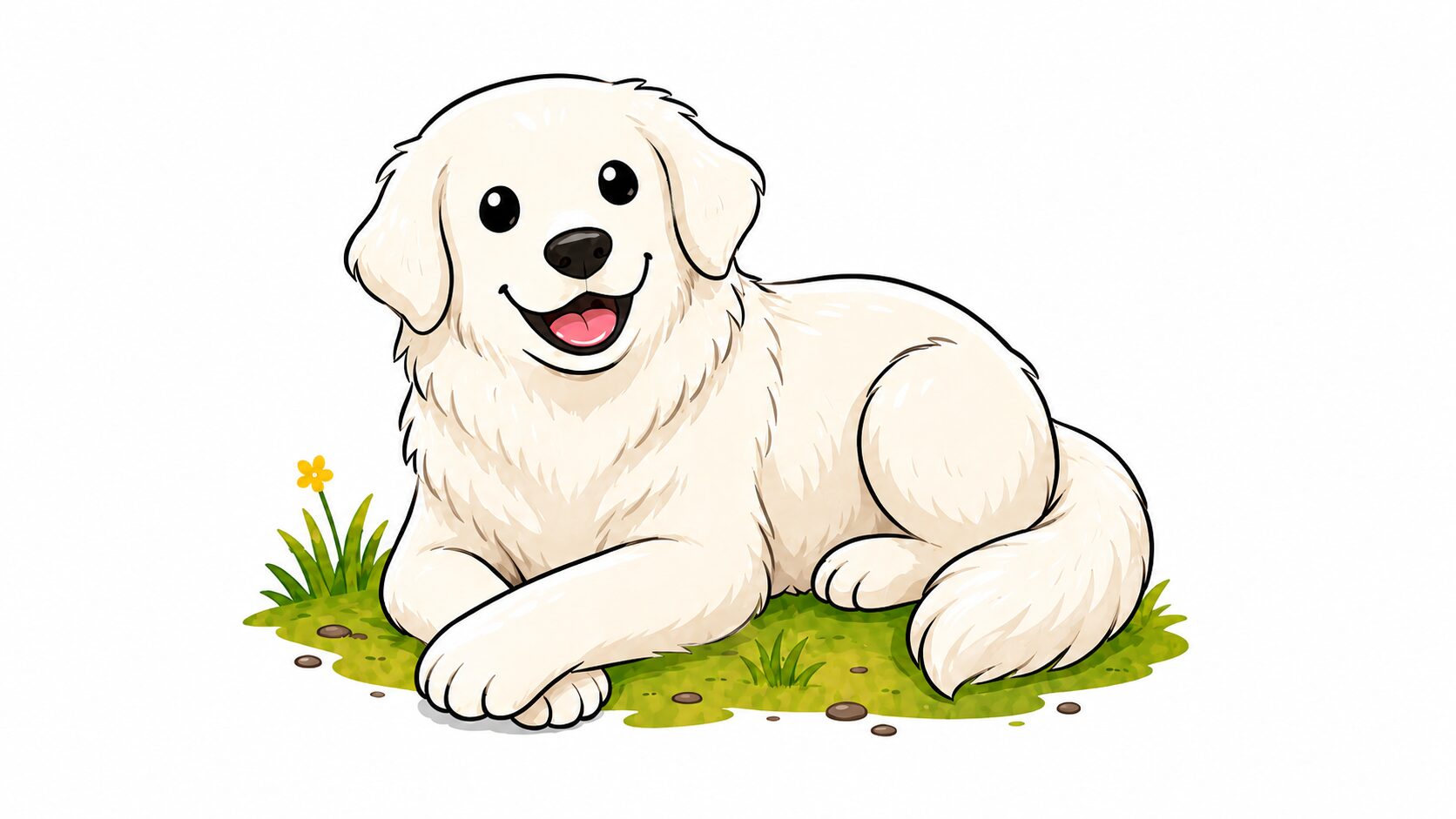
The coat is always white, and that is not a preference but a breed requirement. The UKC standard permits light biscuit or tan shading around the head, but any spots or patches are considered a sign of crossbreeding. The coat itself comes in two varieties depending on the individual dog and its climate. Some carry a short, flat, close-lying coat with a dense undercoat, while others have a longer, wavier outer coat, particularly around the neck where it forms a natural ruff, and on the hindquarters and tail. Both types have the same thick, weather-resistant double coat underneath, built for the temperature extremes of Anatolian mountain life.
The head is broad and bear-like, proportional to the body, with a strong muzzle and dark, almond-shaped eyes that carry an alert, watchful expression. The ears are V-shaped and drop close to the head. The body is well-muscled, slightly longer than tall, and built for both endurance and speed in a way that reflects the sighthound influence in the breed’s ancestry. The tail is long and carried in a curl over the back when the dog is alert, lowered when at ease.
Skin coloration on the nose, lips, and eye rims is typically black or dark. Some individuals display a bluish or silver tint to the skin, which is considered desirable within the breed standard.
Housing And Living Requirements
The Akbash was developed to range freely across open terrain, covering significant ground while watching over a flock, and its housing needs reflect that history directly. This is not a breed for apartments, small yards, or confined urban environments. A property with substantial outdoor space is the minimum viable setup, and a rural or semi-rural environment where the dog has room to patrol is genuinely where this breed functions best.
Fencing is a non-negotiable requirement. The Akbash has a natural instinct to roam and patrol the perimeter of whatever territory it considers its own, and without proper containment that instinct will take it well beyond any boundary an owner intends. Tall, solid fencing is essential. The breed is also known for wandering if given the opportunity, so off-leash access should be restricted to fully enclosed spaces at all times.
Inside the home, a settled Akbash whose working and exercise needs are being met is calm, quiet, and surprisingly gentle for a dog of its size. This is not a high-strung or hyperactive breed. It is measured and deliberate, and it brings that same quality indoors. A large, comfortable dog bed positioned where the dog can observe the household is both practical and appropriate for a breed that takes its guardian role seriously even indoors.
The Akbash does not suffer from separation anxiety in the way that more people-dependent breeds do. Its independent nature, bred in over millennia of working without constant human guidance, means it is capable of being alone without distress. That said, it does form genuine bonds with its family and benefits from consistent human interaction and a clearly defined role within the household.
Exercise Requirements
The Akbash is not a high-intensity exercise breed in the way that working terriers or sporting dogs are. It does not need to sprint or perform athletic feats on a daily basis. What it needs is the opportunity to move steadily across space, to patrol, to use its senses, and to fulfill the guardian function that is built into every part of how it thinks and operates.
Daily walks of moderate length combined with free movement in a securely fenced outdoor space covers the physical requirements for most adult Akbash dogs. The breed is described as a low to moderate energy dog in a domestic setting, but that designation comes with an important caveat. An Akbash that is confined without adequate space to move will become restless, vocal, and difficult to manage. The exercise requirement is not about intensity. It is about space and freedom of movement.
Mental stimulation matters considerably for this breed. The Akbash is an intelligent, independent thinker that was designed to make decisions without waiting for human instruction. A dog that has nothing to think about will find its own problems to solve. Scent work and tracking activities engage the breed’s natural detection abilities and can supplement physical exercise in a meaningful way. For owners on working properties, simply allowing the dog to fulfill its guardian role provides more mental engagement than most structured exercise activities can replicate.
During puppyhood and adolescence, high-impact exercise should be limited. Large breeds that carry significant weight are vulnerable to joint damage from excessive strain during the developmental period, and the Akbash is no exception to that rule.
Grooming Requirements
The Akbash is a shedding breed, and owners should have realistic expectations on that front before committing. The double coat sheds moderately throughout the year and heavily during the coat blow periods in spring and early summer, when daily brushing becomes necessary to manage the volume. Outside of those periods, a thorough brushing once or twice a week is sufficient to keep the coat in good condition and reduce the amount of white hair distributed around the home.
The coat does not mat readily, which is one of the more practical aspects of the breed’s grooming needs. It requires no trimming or clipping, and professional grooming is not a regular necessity for most owners. The weekly brush and the seasonal heavy grooming sessions are the main commitment, and both are manageable at home with the right tools. A quality deshedding brush and a wide-toothed comb are the two most important items.
Bathing every six to eight weeks is appropriate under normal circumstances, more frequently if the dog has been working outdoors or has picked up debris in the coat. The white coat shows dirt visibly, which is worth factoring into expectations, particularly for dogs with outdoor access.
Standard maintenance fills out the rest of the routine. Nails should be trimmed monthly, particularly for dogs spending significant time on soft ground. Ears should be checked and cleaned weekly to prevent buildup. Dental care is worth establishing early as a consistent habit, as dental disease is among the most common preventable health problems in adult dogs of all breeds.
Diet And Nutrition
Feeding a large to giant breed dog correctly requires more attention than feeding a medium or small one, and the Akbash is no exception. A high-quality food formulated for large or giant breeds, with a named protein source as the first ingredient, is the right foundation. The diet needs to support the Akbash’s size and activity level without encouraging excess weight, which places unnecessary strain on the joints of a breed that is already carrying significant body mass.
Most adult Akbash dogs do well on two measured meals per day. Portion control is important and worth taking seriously throughout the dog’s life. Monthly food costs for a large, active dog of this size typically run between $70 and $100 or more depending on the brand and formula chosen.
Bloat is a serious and life-threatening concern for the Akbash. The deep chest that is characteristic of the breed creates genuine susceptibility to gastric dilatation-volvulus, a condition in which the stomach fills with gas and twists on itself, requiring emergency surgery. Feeding two or more smaller meals rather than one large daily serving, avoiding vigorous exercise immediately before and after eating, and using a slow-feeder bowl are all practical and meaningful preventive measures. Learn the warning signs, which include unproductive retching, a visibly swollen abdomen, and restlessness after eating, and treat any suspicion as an emergency.
Training treats are useful during sessions but should be counted into the daily calorie total. Because the Akbash can tend toward weight gain if not adequately exercised, treats should be used with purpose rather than freely.
Compatibility
The Akbash is a loyal and devoted dog within its own family circle, and it takes that circle seriously. It forms deep bonds with the people it lives with and extends its protective instinct to include them as naturally as it would a flock of sheep. With strangers, the picture is noticeably different. The Akbash is reserved, watchful, and sometimes outright wary around unfamiliar people, which is a direct expression of the guarding instinct rather than aggression. Well-socialized dogs learn to tolerate strangers without incident, but they will never be the dog that greets everyone enthusiastically at the door.
With children in the household, particularly those it has been raised alongside, the Akbash can be calm and gentle despite its size. Its measured, deliberate temperament means it is not prone to accidental rough play in the way that high-energy breeds can be, but its sheer physical size means that interactions with very young children should always be supervised.
With other dogs it has been raised with, the Akbash generally coexists well. Introductions to unfamiliar dogs should be handled carefully and on neutral ground. The breed’s guardian instinct can express itself as protectiveness of its home territory around unknown animals, which can be misread as aggression if not properly managed. With smaller animals like cats and livestock, the Akbash typically extends its protective instinct to include them as members of the flock it is responsible for, which is one of the more remarkable qualities of a well-bred livestock guardian dog.
A dog crate is a useful management tool during the initial settling-in period, giving the Akbash a defined space of its own while it adjusts to a new household and new people.
Behavior And Temperament
The Akbash is one of the more genuinely calm large breeds a person can live with, but that calm is not to be mistaken for passivity. Underneath the quiet, measured exterior is a dog that is always processing its environment, assessing threats, and making independent decisions about what requires a response and what does not. This is what centuries of working without human direction produced, and it is still fully present in a domestic Akbash today.
With its family, the Akbash is affectionate and gentle, with a kind of steady, reliable warmth that is quite different from the exuberant, attention-seeking affection of more people-dependent breeds. It is not demanding of attention, but it is present. It watches, it positions itself where it can observe, and it responds to what it perceives as its people’s emotional state in a way that owners consistently describe as perceptive.
The guarding instinct is always active in this breed, and alarm barking is a recognized characteristic. The Akbash will bark to alert its household to anything it considers a potential threat, and its threshold for what qualifies can be broader than most suburban neighbors would find comfortable. Early socialization is the most effective tool for calibrating that response appropriately. A well-socialized Akbash learns to distinguish genuine threats from routine activity in a way that an under-socialized one never fully manages.
This breed is stoic by nature and often masks discomfort or illness until a condition has progressed significantly. Owners need to pay close attention to subtle changes in behavior, movement, or appetite, and should not take a quiet, apparently unbothered dog as confirmation that everything is fine.
Training And Handling
Training the Akbash is an exercise in understanding the fundamental difference between a dog that wants to please and a dog that wants to think. The Akbash falls firmly into the second category. It is intelligent, observant, and fully capable of learning what is being asked of it. Whether it chooses to comply in the moment is a separate matter entirely, and that distinction defines everything about how this breed needs to be approached.
Positive reinforcement is the only method that produces reliable results. Harsh corrections, confrontational training techniques, or any approach that relies on force or intimidation will not work with this breed and will actively damage the trust relationship that all effective training depends on. Reward-based methods that make desired behaviors worth the dog’s while, combined with consistency and patience, are where progress happens. High-value training treats provide meaningful motivation for a breed that is not naturally driven by the approval of its handler.
Early socialization is critical and should begin as early as possible. Exposing a young Akbash to a wide range of people, environments, sounds, and animals during the developmental window shapes how the dog responds to the unfamiliar for the rest of its life. An Akbash that has not been properly socialized will become increasingly suspicious and difficult to manage in any setting outside its immediate territory.
Recall training deserves sustained, consistent attention from puppyhood. The Akbash’s wandering instinct and independent decision-making mean that off-leash reliability in unfenced areas is not a realistic goal for most dogs of this breed. A GPS tracker is worth serious consideration for any Akbash owner who spends time outdoors, providing meaningful peace of mind when the dog is working or exercising in large open spaces.
This is not a beginner’s breed. It is best suited to experienced owners who understand large, independent guardian dogs and who are prepared to invest the time and consistency that this breed requires to become a genuinely manageable companion.
Health And Lifespan
The Akbash is a generally healthy breed shaped by the practical demands of working life in harsh conditions, which tends to produce robust constitutions. The typical lifespan is 10 to 12 years. Like all large breeds, it is susceptible to certain hereditary and size-related conditions that every owner should understand.
Hip Dysplasia Abnormal development of the hip joint is a recognized concern in the breed. It can range from mild to severe and may cause pain, restricted movement, and progressive arthritis over time. Sourcing puppies from breeders who conduct OFA hip certification on their breeding stock meaningfully reduces the risk. Maintaining a healthy weight throughout the dog’s life and avoiding excessive high-impact exercise during adolescence are both important protective measures. Joint supplements are worth discussing with your vet as the dog moves into middle age.
Dilated Cardiomyopathy This heart condition, in which the walls of the heart thin and weaken over time, occurs at a higher rate in the Akbash than in many other breeds. It requires regular veterinary monitoring and can be managed with appropriate medication when detected early. Routine cardiac examinations are worth including in the annual veterinary check-up for this breed.
Hypothyroidism An underactive thyroid is a documented concern in the breed. Symptoms include weight gain, lethargy, coat changes, and a generally slowed metabolism. It is diagnosed through blood testing and managed with daily thyroid hormone supplementation, which typically restores the dog to its normal condition.
Bloat (Gastric Dilatation-Volvulus) The Akbash’s deep chest creates significant susceptibility to this life-threatening emergency. Understanding the warning signs and taking practical preventive steps around feeding are essential for any owner of a deep-chested large breed.
Eye Conditions Retinal dystrophy and other eye conditions occur at a higher rate in Turkish shepherd breeds including the Akbash than in many other dogs. Regular veterinary eye examinations allow for early detection and appropriate management.
Routine preventive care throughout the dog’s life provides the best foundation for long-term health. Regular vet check-ups, up-to-date vaccinations, consistent dental hygiene, and parasite prevention are all important, and heartworm prevention is particularly relevant for dogs spending significant time outdoors.
Price And Availability
The Akbash is a genuinely rare breed outside of Turkey and the farming communities of North America that use it as a working livestock guardian. Finding a reputable breeder in the United States requires research and patience. The breed is not recognized by the AKC, and dedicated breeders are limited in number. The Akbash Dog Association of America is the most reliable starting point for locating breeders who maintain proper health testing and breeding records.
From a reputable breeder, expect to pay between $800 and $1,500 for a puppy, with some variation depending on whether the dog is intended for livestock guardian work or as a companion, the quality of the bloodlines, and the breeder’s location. Given the breed’s rarity, pricing can vary considerably and the established market is smaller than it is for more widely known breeds.
Adoption is worth exploring seriously. Because the Akbash is often purchased for working purposes and sometimes does not suit a particular farm or property setup, rescue and rehoming situations do arise. Reaching out to the breed association and to livestock guardian dog rescue networks can surface adoptable dogs that might not appear through standard channels.
Beyond the purchase price, annual ownership costs for an Akbash are substantial given the size of the dog. Food alone for a large male runs $70 to $100 per month. Routine veterinary care, pet insurance, which is strongly recommended given the breed’s cardiac and joint predispositions, and standard supplies all add meaningfully to the annual total.
Any breeder who cannot provide health testing documentation, refuses to allow you to meet the puppy’s parents, or sells without any vetting of the buyer’s property and experience with large guardian breeds should be avoided.
Conclusion
The Akbash is not a dog that fits comfortably into most modern lifestyles, and the breed is the first to make that clear. It is large, independent, built for open space, and governed by instincts that thousands of years of practical selection have made very difficult to override. For the right owner, on the right property, with the patience and experience to work with rather than against those instincts, it is one of the most loyal, capable, and quietly remarkable dogs on earth. Get properly set up before bringing one home. Our Best Dog Products page covers everything you need for large, working guardian breeds that demand space, quality, and the right equipment from day one.