
Origin And History
The Danish-Swedish Farmdog is one of the oldest working breeds in Scandinavia and one of the newest additions to the American Kennel Club’s official registry, a small, compact, extraordinarily versatile barnyard dog from eastern Denmark and southern Sweden that has been doing the work of much larger dogs on Nordic farms for at least a thousand years, possibly considerably longer. It earned AKC recognition as the organization’s 202nd breed effective January 1, 2025, placing it in the Working Group as the smallest member of that category, alongside Doberman Pinschers, Siberian Huskies, and Bernese Mountain Dogs, which is precisely the kind of company the breed’s devotees consider entirely appropriate for a dog whose nickname is the Little Big Dog.
The breed’s ancient origins are attested by archaeology rather than written records. Dog bones similar in size and structure to the modern Danish-Swedish Farmdog have been found at Viking burial sites dating back 1,000 to 1,200 years, placing a recognizable ancestor of the breed in Scandinavia during the Viking Age. The exact relationship between these archaeological remains and the modern breed cannot be precisely established, but the physical continuity is consistent with what the breed’s development history suggests: a type of multipurpose farm dog that existed throughout eastern Denmark and southern Sweden for many centuries before any formal breed recognition was contemplated.
The breed has been known throughout its history under a remarkable variety of local names reflecting the regional variation in how these dogs were perceived and used. Old Danish Fox Terrier, Scanian Terrier, Danish Pinscher, Rat Dog, and simply Farmdog all appear in historical references to dogs of this type. Despite these varied names, the dogs were essentially the same breed doing the same range of jobs across the farms and homesteads of the region: catching and killing rats and mice, keeping vermin out of stables and grain stores, herding livestock, alerting the family to visitors and intruders with a single sharp bark rather than aggressive pursuit, hunting alongside farmers, and serving as beloved family companions. The breed appeared regularly in Danish and Swedish folk art, paintings, and illustrations throughout its history, demonstrating the warm regard in which these dogs were held.
The breed also became associated with entertainment beyond the farmyard. Lively and easy to train, the breed doubled as a circus performer as the clown’s sidekick, a role that demonstrates the breed’s trainability, its showmanship, and the ease with which it worked alongside people in varied contexts.
The modern era for the breed began with decline. Until about 1960, Danish-Swedish Farmdogs were common across Denmark and southern Sweden, a natural part of the rural landscape. The industrialization of agriculture and the shift from small family farms to larger commercial operations reduced the demand for the multipurpose farm dog, and the breed’s numbers fell significantly through the mid-20th century. By the 1980s, the breed was at genuine risk of disappearing.
The revival began in 1986 when dedicated breeders in Denmark and Sweden united to save the breed. The Danish Kennel Club and its Swedish equivalent partnered to reestablish a formal breeding program, and in 1987 the countries jointly agreed on the breed’s current name: the Danish-Swedish Farmdog, or in Scandinavian usage Dansk Svensk Gårdshund, abbreviated DSF or Danski. The FCI granted provisional recognition in 2008 and full recognition in 2019. The first DSF arrived in the United States in 1998, a club was formed in 2003, the breed entered the AKC Foundation Stock Service in 2011, joined the Miscellaneous Class in 2021, and achieved full Working Group recognition in January 2025.
Breed Overview
| Trait | Details |
|---|---|
| Breed Group | Working |
| Height | 30–39 cm (12–15 inches) |
| Weight | 7–12 kg (15–26 pounds) |
| Lifespan | 11–15 years |
| Coat | Short, smooth, close-lying |
| Colors | White with patches of black, brown, tan, or combinations; some flecking |
| Temperament | Cheerful, energetic, intelligent, affectionate, versatile |
| FCI Recognition | 2019 |
| AKC Recognition | January 2025 |
Appearance And Size
The Danish-Swedish Farmdog is a small to medium-small, compact, and rectangular-bodied working dog that presents with the alert, capable appearance of a breed that has always been expected to do more work than its physical dimensions would initially suggest. It stands 30 to 39 centimeters at the shoulder and weighs between 7 and 12 kilograms, making it the smallest dog in the AKC’s Working Group, a fact that its breed enthusiasts consider appropriate given the breadth of working capability this small frame contains.
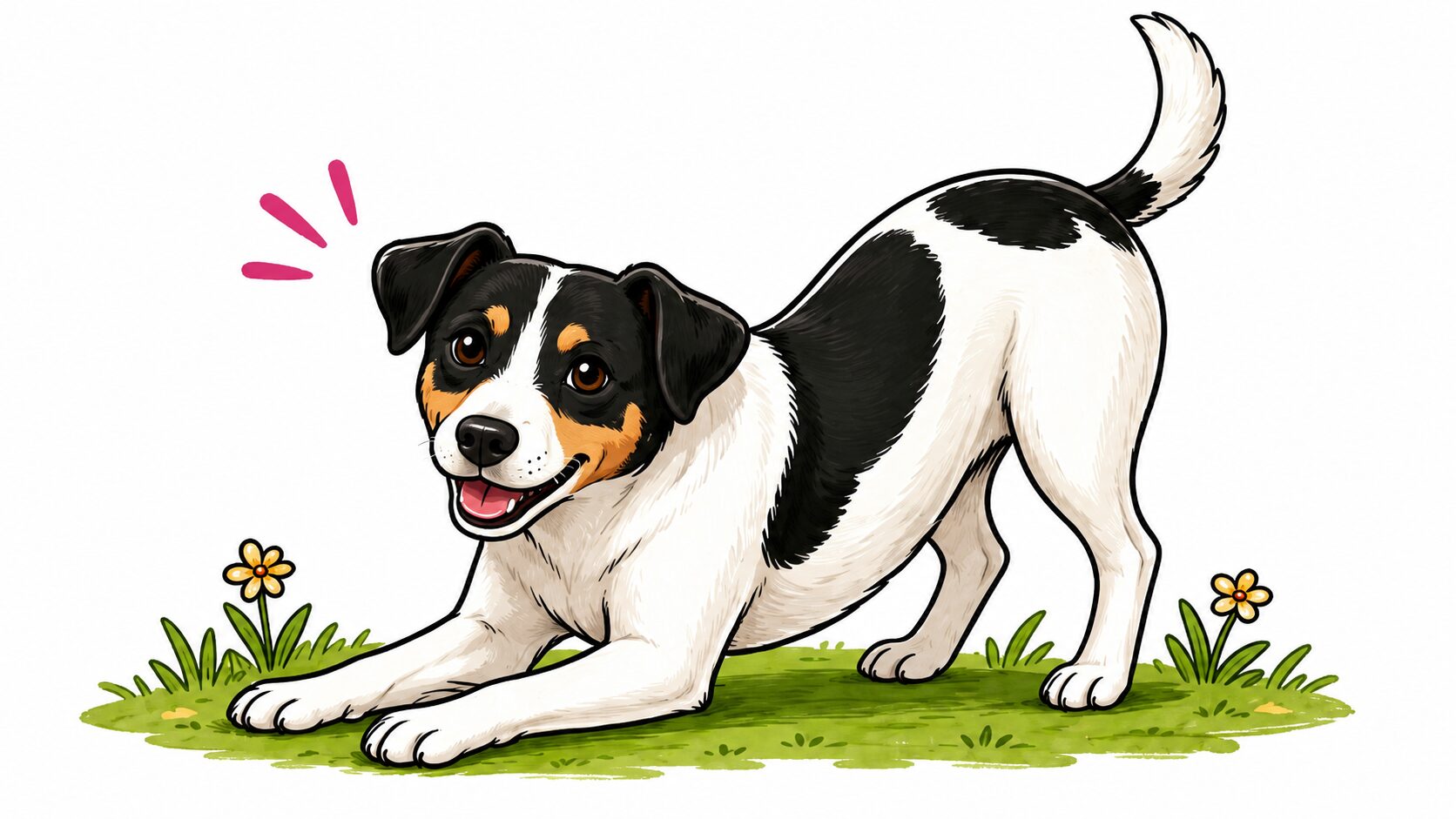
The head is small and triangular, somewhat flat on top, with a well-defined stop and a moderately short muzzle. The eyes are round, dark, and carry the attentive, kind expression that is one of the breed’s most immediately appealing features. The ears are distinctive and characterful: they are rose or button ears, folding just above the skull, and can be carried in slightly different positions depending on the individual and the dog’s state of alertness. The tail can be long or naturally short and stumpy, with both expressions occurring naturally in the breed.
The body is compact and rectangular, firm and muscular throughout, with a level topline and well-sprung ribs. The legs are straight and well-muscled, providing the athletic capability that a vermin hunter and herding dog requires.
The coat is short, smooth, close-lying, and harsh in texture, providing the practical field protection that farmwork demands with minimal grooming requirements. The color pattern is one of the breed’s most immediately recognizable features: a predominantly white base with patches of black, brown, tan, or combinations of these colors distributed across the body and head. Some individuals carry flecking within the white areas. The distribution and exact colors of the patches vary significantly between individuals, giving each dog a visually distinctive appearance.
Housing And Living Requirements
The Danish-Swedish Farmdog is a more genuinely adaptable breed in terms of living environment than its working heritage might initially suggest. They adapt well to apartment life too, if exercised daily, and this assessment reflects a genuine character quality: a dog that is lively and engaged outdoors but settles contentedly indoors when its exercise and mental stimulation needs have been met.
The most important housing consideration for a DSF is not space but mental and physical engagement. This is a breed that was developed to perform multiple tasks daily across a farmstead, and a dog that is not given adequate daily outlet for its intelligence and energy will find its own outlets. Left to their own devices, Danish-Swedish Farmdogs sometimes decide to occupy themselves with undesirable or destructive behaviors such as chewing or digging, and this is the direct consequence of insufficient stimulation rather than any character defect.
The prey drive that made this breed such an effective ratter is genuine and present, and the farm’s small animals who might have been the source of food for the breed’s ancestors can also be the targets of this instinct in a domestic setting. A securely fenced garden prevents the breed’s prey drive and hunting curiosity from being expressed in unplanned outdoor excursions. With cats and small pets within the household, early introduction and consistent management are more important than with less prey-driven breeds.
Inside the home, a well-exercised DSF is a warm, affectionate, and delightfully sociable companion. A comfortable dog bed in a social area of the home suits the breed’s people-oriented nature during rest periods. These dogs are also known to be confident lap-dog candidates when downtime arrives, combining the working day’s energy with genuine domestic warmth.
Exercise Requirements
The Danish-Swedish Farmdog is an active, energetic breed with genuine daily exercise needs that reflect its heritage as a multipurpose working dog that covered significant ground on farmstead duty. At least 45 to 60 minutes of vigorous daily exercise is appropriate, combining structured walks with active play and activities that engage the breed’s considerable working intelligence alongside its physical capability.
The breed excels at activities that directly channel its working heritage. Dog agility is one of the most natural sporting outlets, combining the athletic challenge with the handler-focused rapid decision-making that the DSF genuinely enjoys. Scent work and tracking, dock diving, and obedience competition are all activities at which the breed performs with enthusiasm and capability. A set of dog agility equipment at home provides structured physical and cognitive engagement for a breed that thrives on purposeful activity with its people.
Puzzle toys and enrichment activities are genuinely important between physical exercise sessions, engaging the breed’s intelligence and preventing the boredom-driven behaviors that emerge when this capable, curious breed has insufficient outlet for its working drive. A GPS tracker is a practical safety investment for outdoor exercise in any open or unfenced area.
Grooming Requirements
The Danish-Swedish Farmdog’s short, smooth, close-lying coat is one of the most practically low-maintenance grooming commitments available in any working breed, a quality that has made it particularly appealing to owners who want a capable, active companion without intensive grooming demands.
Brushing once or twice a week with a rubber grooming mitt or firm bristle brush removes loose hair and keeps the short coat in healthy condition. The breed sheds moderately throughout the year with heavier seasonal shedding during spring and fall. The short, harsh coat sheds less conspicuously than longer or softer coats, and the overall management is straightforward.
Bathing every four to six weeks is appropriate under normal conditions. The short coat dries very quickly after bathing, making the process efficient.
Ears should be checked and cleaned weekly. While the rose or button ear carriage creates some reduction in airflow to the ear canal compared to fully erect ears, the partial fold is less restrictive than pendant ears, and ear care is a reasonable rather than intensive commitment. Dental care is particularly important given the breed’s documented predisposition to dental problems associated with the small mouth and crowded teeth of small breeds. Nails should be trimmed monthly.
Diet And Nutrition
The Danish-Swedish Farmdog is a small to medium-small, highly active working breed with significant daily caloric needs relative to its size. A high-quality small breed formula with a named protein source as the first ingredient provides the nutritional foundation the breed requires. Small breed formulas address the higher metabolic rate and the dental disease predisposition of small dogs, making them the most appropriate choice for the DSF.
Most adults do well on two measured meals per day. Portion control is genuinely important throughout the dog’s life. The breed’s active metabolism and working heritage can mask early weight gain if food quantities are not monitored, and since old habits die hard in these hunters and ratters, the breed may supplement its diet with small animals or birds if given unsupervised outdoor access. Providing appropriate, measured daily feeding and monitoring outdoor time around wildlife reduces this concern.
Training treats are highly effective motivators given the breed’s food motivation and intelligence, and should be counted into the daily calorie total. Fresh, clean water should always be available, and hydration monitoring is appropriate for a breed this actively engaged in daily exercise.
Compatibility
The Danish-Swedish Farmdog is one of the most broadly compatible small working breeds available, combining genuine athletic capability and working drive with a warmth, sociability, and cheerful friendliness that makes it genuinely appropriate across a wide range of household compositions.
With its own family, the DSF is warmly affectionate and deeply devoted. Breeders maintained the dog’s friendly, outgoing, tail-wagging temperament without reservation or shyness, and this quality is consistently and reliably expressed. The breed bonds closely with all household members and expresses those bonds with the whole-body enthusiasm of a dog that genuinely delights in its people.
With children, the breed is excellent when socialized from puppyhood. Its moderate size, its genuine playfulness, and its patience and affection with the family make it a natural companion for children of various ages. Its energy level means it is an active play partner that keeps up with children’s activity levels rather than seeking quiet rest.
With strangers, the breed is characteristically friendly after a brief initial assessment, reflecting the outgoing, welcoming character that the farm dog’s social role produced. The breed was bred to announce a stranger’s presence rather than chasing the person away, making it an effective alarm dog with a fundamentally welcoming personality toward accepted visitors.
With other dogs, the DSF is consistently sociable when well-socialized from early in life. The breed’s farmstead pack heritage makes it generally adaptable in multi-dog households. With small animals including cats, rabbits, and rodents, the prey drive that made this breed such an effective ratter is genuine and should not be assumed absent without careful, supervised introductions and direct experience with the individual dog.
A dog crate is a useful management tool during puppyhood and the settling-in period.
Behavior And Temperament
The Danish-Swedish Farmdog’s temperament is one of the most consistently described and most warmly regarded among recently recognized working breeds: cheerful, energetic, people-oriented, intelligent, and possessed of a slow-to-mature puppylike disposition that makes owners describe living with a DSF as a particularly extended and entertaining experience regardless of the dog’s chronological age.
The breed matures slowly compared to most small breeds. The puppy phase lasts longer than most, meaning the playful, curious, energetic character of puppyhood extends well into what would be considered adulthood in other breeds. This quality, while charming and entertaining for owners who appreciate it, means that the management and training investment of the early months must be sustained considerably longer than with faster-maturing breeds.
The working intelligence is one of the breed’s most consistently celebrated qualities. The DSF is quick to respond to commands and environmental changes, applies its intelligence to training and to environmental problem-solving with equal enthusiasm, and engages with its people and its world with the alert, engaged curiosity of a breed that has always been expected to assess and respond to whatever is happening on the farmstead.
The prey drive that is the direct expression of the breed’s thousand-year history as a ratter and hunter is genuine and present in virtually every individual. The DSF’s tendency to notice, track, and pursue small moving animals is an authentic breed characteristic that management through appropriate fencing, leash discipline, and early socialization reduces but does not eliminate.
Training And Handling
The Danish-Swedish Farmdog is an intelligent, eager-to-please, and genuinely trainable breed that approaches training with the energetic, food-motivated responsiveness that makes small working breed training highly productive when the approach is right. Their sweet and eager nature makes it easy to train, and this assessment accurately reflects the genuine training experience this breed provides for owners who engage it appropriately.
Positive reinforcement methods are the approach that works most reliably. The DSF responds enthusiastically to reward, to genuine engagement, and to training that feels varied, purposeful, and challenging. Its intelligence means it picks up new behaviors quickly and its food motivation makes treat-based training among the most productive approaches available. Training treats are particularly effective and should be used purposefully in sessions.
The slow maturation that is one of the breed’s most characteristic qualities means that training must begin early and be sustained with patience and consistency through the extended puppyhood period. Early training will leave you with a happy, social, and well-adjusted dog, and this investment pays dividends across the breed’s long lifespan.
Early and thorough socialization from puppyhood is essential, exposing the young dog to a wide range of people, other dogs, environments, sounds, and situations during the critical developmental window. The breed’s prey drive makes early, managed exposure to small animals particularly important for households where cats or other small pets are present.
The breed excels at structured dog sports, and owners who channel the DSF’s intelligence and energy through agility, scent work, obedience, and other activities find it one of the most capable and entertaining small breed sport partners available.
Health And Lifespan
The Danish-Swedish Farmdog is a generally healthy and hardy breed with a lifespan of 11 to 15 years, with many breeders reporting that 13 to 16 years is a more accurate reflection of the breed’s actual longevity in practice. The constitution that centuries of practical farm selection produced, with only the most robust and capable dogs contributing to subsequent generations, is reflected in the breed’s generally sound health.
Primary Lens Luxation (PLL) Displacement of the lens within the eye is a hereditary condition that can cause pain, glaucoma, and vision loss. A DNA test is available, and responsible breeders test their breeding animals for the PLL mutation. Sourcing from breeders who provide PLL documentation is one of the most important health considerations for prospective DSF buyers.
MDR1 Medication Sensitivity A mutation in the MDR1 gene causes affected dogs to be sensitive to certain commonly used medications including some antiparasitic drugs, sedatives, and chemotherapy agents. DNA testing identifies affected and carrier dogs, and responsible breeders test their breeding animals. Informing every veterinarian who treats the dog of this potential sensitivity before any medication is prescribed is an important ongoing health management responsibility.
Patellar Luxation Kneecap dislocation is documented in the breed, consistent with the general predisposition of small working breeds. It ranges from mild, requiring only monitoring, to severe, requiring surgical correction. OFA patellar evaluation is recommended for breeding animals.
Chondrodystrophy and IVDD A genetic variant associated with abnormal cartilage development is documented in the breed, creating some predisposition to intervertebral disc disease. While less severely expressed than in dedicated chondrodystrophic breeds like the Dachshund, managing the risk through weight control and appropriate exercise management is worthwhile.
Dental Disease Small dogs like the Danish-Swedish Farmdog are particularly susceptible to dental issues due to their small mouths and crowded teeth. Establishing consistent dental care from puppyhood, brushing teeth several times weekly, and scheduling annual professional veterinary cleanings significantly reduces the periodontal problems that affect a high proportion of small breeds by middle age.
Hip Dysplasia Abnormal hip joint development is documented at low rates. Maintaining appropriate weight and discussing joint supplements with your vet as the dog reaches middle age are meaningful protective measures.
Routine preventive care, including regular vet check-ups, consistent dental hygiene, up-to-date vaccinations, and parasite prevention, provides the foundation for a healthy DSF across its impressive lifespan.
Price And Availability
The Danish-Swedish Farmdog is one of the rarest breeds in the United States, with fewer than 500 individuals estimated to be living in the country at the time of AKC recognition. From reputable breeders, expect to pay between $3,000 and $4,000 for a well-bred puppy from health-tested parents. The limited number of active breeders means wait lists are common and prospective owners should be prepared for meaningful wait times from reputable sources.
The Danish-Swedish Farmdog Club of America is the most authoritative starting point for locating breeders who breed to the AKC standard and conduct appropriate health testing. Responsible breeders will conduct PLL DNA testing, MDR1 testing, OFA patellar evaluation, and eye certification on their breeding animals, and will provide documentation of all results. They will ask thorough questions about the prospective buyer’s lifestyle, household composition, and understanding of the breed’s exercise and training requirements. Breeders are explicit that these are great dogs but not for everyone given their high energy levels and tendency toward extended puppyhood.
Breed enthusiasm following AKC recognition has created concern among dedicated breeders about explosive popularity generating puppy mill exploitation of the breed. Working exclusively with breeders affiliated with the DSFCA and avoiding any source offering immediate availability without wait lists is the most important precaution prospective buyers can take to ensure they are supporting responsible breeding rather than its opposite.
Adoption is occasionally possible through the breed club’s rescue contacts and through Scandinavian rescue organizations. The breed essentially does not appear in general shelter populations given its rarity.
Conclusion
The Danish-Swedish Farmdog spent a thousand years doing everything required on a Nordic farmstead, catching rats, herding livestock, hunting, guarding, alerting the family to arrivals, performing in circus rings, and being the devoted companion of generations of Scandinavian families, before industrialization removed the farmstead context and nearly took the breed with it. The breeders of Denmark and Sweden who rebuilt it in the late 1980s, the three American women who imported the first dogs in the late 1990s, and the club members who spent 14 years bringing the breed through the AKC recognition process all share credit for the fact that the Little Big Dog is now the AKC’s 202nd recognized breed, competing in Working Group events alongside dogs ten times its size with the full confidence that comes from a thousand years of working heritage. For the active household that can provide the daily exercise, the mental stimulation, the early training investment, and the patience to manage an extended puppyhood with affection and consistency, the Danish-Swedish Farmdog is one of the most capable, cheerful, and genuinely rewarding small working breed companions available anywhere in the dog world. Get properly set up before bringing one home. Our Best Dog Products page has everything you need for compact, cheerful, whole-heartedly devoted Nordic farm dogs that carry a thousand years of Scandinavian working heritage into every home they grace.