
Origin And History
Most dog breeds trace their origins to a specific country, a specific century, a specific working need. The Spanish Bulldog traces its origins to an entire people in motion across a continent. The story of this breed begins not in Spain but on the steppes of central Asia, with the Alani, an ancient nomadic Indo-Iranian people who swept westward across Europe during the Migration Period and arrived on the Iberian Peninsula in 406 AD, bringing with them the large, fierce dogs they had relied on for centuries to protect their herds and assist in hunts.
Those dogs, already powerful and purpose-built by generations of demanding working life, became the foundation of what is today one of the oldest breeds in Spain. They were not a single consistent type at first. They were working animals that evolved and adapted to the Iberian landscape, the Spanish climate, and the specific demands of Spanish rural life over the following centuries. What they became was a dog of extraordinary capability, used for hunting wild boar and deer, driving and controlling cattle, guarding property, and eventually appearing in the bullring itself.
The first written reference to the breed in Spain appears in the 14th century Book of the Hunt of Alfonso XI, in which hunting dogs called Alani are described and praised for their colors. That document alone places the breed’s documented presence in Spain at over 700 years, and its actual history almost certainly extends considerably further back than any written record confirms. By the time Spanish explorers were sailing to the Americas in the 15th and 16th centuries, the Spanish Bulldog was already an established and valued working animal. These dogs traveled with the conquistadors, serving as war dogs and assisting in the subjugation of indigenous populations, a history that is part of the breed’s record whether comfortable to acknowledge or not. One of the most documented early dogs of this type was Becerrillo, owned by the explorer Juan Ponce de León, whose ferocity in battle was recorded by Spanish chroniclers of the period.
Back in Spain, the breed became deeply embedded in cattle-ranching culture, where its ability to grip and hold large, aggressive animals made it invaluable on the open ranges of the Iberian Peninsula. The Spanish Bulldog worked in packs with other hunting dogs, using its grip strength and courage to hold wild boar at bay until hunters arrived. Francisco de Goya depicted dogs of this type in his early 19th century prints of bullfighting scenes, cementing the breed’s place in Spanish cultural and artistic history.
The breed’s near extinction came with modernization. As industrialization progressed through the 20th century, the demand for working cattle dogs declined, bullfighting practices changed, and large working breeds became less necessary in an increasingly mechanized rural economy. By the early 1960s, the Spanish Bulldog was believed by most to have disappeared entirely. A small number of dogs survived on remote ranches and in the hands of a handful of dedicated enthusiasts in the Basque Country and other rural regions of northern Spain. In the 1980s, a group of breed historians and enthusiasts began systematically searching for surviving dogs, and what they found was enough to begin a recovery effort. By the 1990s, that effort had gained momentum, and the breed was formally recognized by the Real Sociedad Canina de España. The Spanish Bulldog today is no longer facing extinction, but it remains a genuinely rare breed both inside Spain and internationally.
Breed Overview
| Trait | Details |
|---|---|
| Breed Group | Working / Molosser |
| Height | Males 58–63 cm (23–25 in) / Females 55–60 cm (22–24 in) |
| Weight | Males 34–40 kg (75–88 lbs) / Females 25–34 kg (55–75 lbs) |
| Lifespan | 11–14 years |
| Coat | Short, thick, dense |
| Colors | Brindle, fawn, black and brindle, grey, blue brindle |
| Temperament | Loyal, courageous, calm, independent, protective |
| Recognition | Real Sociedad Canina de España |
Appearance And Size
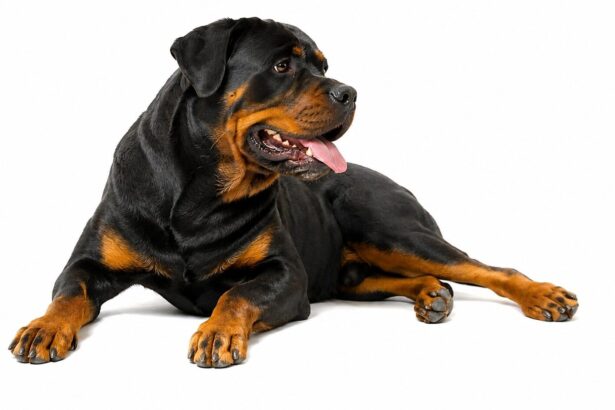
The Spanish Bulldog is a dog that looks exactly like what it is. A working molosser built for strength, endurance, and the kind of physical demands that most breeds could not sustain. Males stand 58 to 63 centimeters at the shoulder and weigh between 34 and 40 kilograms. Females are somewhat lighter and shorter but share the same fundamental build. The overall impression is one of balanced power rather than exaggerated bulk, an important distinction that separates the Spanish Bulldog from heavier, less athletic molosser breeds.
The head is large, broad, and strong, with a pronounced stop and a relatively short, blunt muzzle. The jaw is powerful and built for grip, reflecting the breed’s history of holding large game and controlling cattle. The eyes are small, almond-shaped, and dark, carrying an alert and calm expression. The ears are medium-sized and drop close to the head. One of the breed’s distinguishing features is its loose skin, which forms light dewlaps around the neck and gives the dog a characteristic look that is recognizable once you know what you are looking at.
The body is solidly constructed, with the overall body length approximately ten percent longer than the height at the withers, a deep and wide chest with well-arched ribs, and a level, muscular back leading to a broad, powerful hindquarter. The movement of the Spanish Bulldog is notably cat-like, rhythmic and ground-covering with the head carried low, reflecting a dog that was built to work across terrain for extended periods without tiring.
The coat is short, thick, and dense, requiring minimal maintenance. It comes in any shade of brindle including grey and blue brindle, any shade of fawn from sand to deep red, and black and brindle combinations. Unlike many molosser breeds, the Spanish Bulldog does not drool, slobber, or snore, which owners frequently cite as one of the more pleasant practical surprises of the breed.
Housing And Living Requirements
The Spanish Bulldog is a working breed that spent centuries operating across open Spanish ranchland and mountainous hunting terrain, and its housing needs reflect that heritage directly. A home with a large, securely fenced yard is the minimum appropriate setup. A rural property or a working farm is genuinely where this dog thrives. Urban apartment living is not a suitable environment for a breed of this size, energy level, and territorial instinct.
The fence matters. The Spanish Bulldog has a strong prey drive and a territorial nature that was bred in deliberately, and a dog of its physical capability will not be stopped by a fence that is not properly constructed and maintained. Tall, solid fencing is the practical requirement, and it should be inspected regularly.
Inside the home, a Spanish Bulldog whose exercise and mental needs are being met is a calm, composed, and notably quiet housemate. This is not a breed that fills a home with restless energy or constant noise. It observes, it positions itself where it can monitor activity, and it rests between bouts of exercise with the practiced efficiency of a dog that understands the value of conserving energy. A large, comfortable dog bed placed where the dog can observe the household gives it the kind of resting position that suits its guardian instincts.
The breed handles both heat and cold with reasonable adaptability, a trait developed across centuries of working in the varied climates of the Iberian Peninsula. In extreme heat, shade and fresh water are essential, and exercise should be scheduled for cooler parts of the day.
Exercise Requirements
The Spanish Bulldog is a high-endurance working breed, and its exercise needs are significantly higher than its calm indoor demeanor might lead a new owner to expect. A minimum of one to one and a half hours of genuine physical activity daily is necessary, and two hours is more appropriate for a dog in its prime working years. This is not a breed that can be maintained on short daily walks and occasional garden play.
Long walks on varied terrain, off-leash running in securely fenced spaces, and structured activities that engage both the body and the mind are all appropriate and necessary outlets. The Spanish Bulldog was bred to work in packs hunting wild boar, a task that demanded both sustained physical effort and independent decision-making, and that combination of needs is still present in the domestic dog today. Dog agility equipment can provide a productive physical and mental outlet for owners with the space, giving the dog a structured challenge that engages its athleticism and intelligence simultaneously.
Scent work and tracking are particularly well-suited to this breed given its hunting heritage and strong nose. Building scent-based activities into the daily routine supplements physical exercise meaningfully and provides the kind of mental engagement that prevents the boredom-related behaviors that can develop in an under-stimulated dog of this size and capability.
During puppyhood, high-impact exercise should be managed carefully. Large breed puppies growing through rapid developmental phases are vulnerable to joint damage from excessive strain before the growth plates close, and the Spanish Bulldog is no exception.
Grooming Requirements
The Spanish Bulldog’s short, dense coat is one of the most practically low-maintenance aspects of owning this breed. It does not mat, does not require professional styling or trimming, and sheds at a moderate and manageable rate throughout the year with slightly heavier shedding during seasonal transitions. A thorough weekly brushing with a rubber grooming mitt or a short-bristle brush removes loose hair, stimulates the skin, and keeps the coat looking clean and healthy. During heavier shedding periods, brushing two to three times a week prevents accumulation.
Bathing every six to eight weeks is appropriate under normal circumstances. The short coat dries quickly, and the breed does not carry the strong odor that some heavier-coated working dogs develop. Excessive bathing strips the coat of natural oils and can lead to dry, itchy skin, so less is more where bathing frequency is concerned.
The loose skin around the neck and facial area should be checked and cleaned regularly. Moisture and debris can accumulate in the skin folds, and keeping those areas clean and dry prevents irritation and infection from developing.
Standard maintenance rounds out the routine. Nails should be trimmed monthly, particularly for dogs spending significant time on soft terrain. Ears should be checked and cleaned weekly given the drop ear set that limits airflow. Dental care should be established early and maintained consistently, since dental disease is among the most common preventable health problems across all dog breeds and sizes.
Diet And Nutrition
The Spanish Bulldog is a muscular, active, large-breed dog, and its diet needs to reflect that. A high-quality food with a named protein source as the first ingredient is the right foundation, providing the amino acids and energy needed to support the breed’s lean, athletic build and high daily activity requirement. Most adult Spanish Bulldogs do well on two measured meals per day. Three to four cups of high-quality dry food divided across two meals is a reasonable general guideline for an active adult, though the right amount depends on the individual dog’s size, age, and actual activity level.
Portion control is important throughout this breed’s life. A dog that is not getting sufficient exercise, or one that is moving into the less active senior years, can put on weight, and extra weight on a large, joint-prone dog accelerates the development of hip problems and places unnecessary strain on the cardiovascular system. Monitoring body condition regularly is more reliable than adhering rigidly to a fixed daily amount regardless of how active the dog actually is.
Bloat is a genuine concern for any deep-chested large breed, and the Spanish Bulldog’s chest depth creates susceptibility to gastric dilatation-volvulus, a life-threatening condition in which the stomach twists on itself and requires emergency surgery. Feeding two smaller meals rather than one large serving, avoiding vigorous exercise for at least an hour before and after eating, and using a slow-feeder bowl to reduce eating speed are all practical and meaningful preventive steps. Learn the warning signs, which include unproductive retching, a visibly distended abdomen, and restlessness after eating, and treat any suspicion as a veterinary emergency.
Training treats are effective motivators during sessions but should always be counted into the daily calorie total rather than added on top of full meals.
Compatibility
The Spanish Bulldog is a devoted, family-oriented breed that forms strong bonds with the people it lives with and takes its protective role within that circle seriously. Within its own family, it is calm, affectionate, and notably gentle despite its physical capability. This is a breed that was described by Spanish ranch workers as almost submissive toward its owners, a quality that reflects the depth of the loyalty this dog is capable of rather than any absence of confidence.
With children in the household, the Spanish Bulldog has a long historical reputation for patience and gentleness, and that reputation is consistent with the breed’s working temperament rather than contradicted by it. A dog that was required to exercise precise, controlled force when working cattle, holding without injuring, developed the kind of physical self-awareness and restraint that makes it genuinely safe around children when properly socialized. Supervision is always appropriate given the dog’s size and strength, but the breed’s nature is not aggressive toward children it has been raised alongside.
With strangers, the Spanish Bulldog is reserved and watchful, making its own assessment on its own timeline. This is not a breed that greets unfamiliar people with enthusiasm. It observes, it evaluates, and it makes clear through its posture and presence that it is paying attention. Early and consistent socialization from puppyhood is the most effective way to ensure that wariness does not become reactivity.
With other dogs, the Spanish Bulldog is generally sociable, a trait that reflects its history of working in hunting packs. Dogs it has been raised alongside are typically accepted without issue. Introductions to unfamiliar dogs should be done carefully and on neutral ground. A dog crate provides a useful management tool during the settling-in period, giving the dog a defined and secure space of its own as it adjusts to its new environment.
Behavior And Temperament
The Spanish Bulldog is one of the more composed and internally consistent large working breeds a person can share a home with. It does not perform for attention. It does not fill a room with nervous energy or restless movement. What it brings is a steady, watchful presence that carries genuine authority without requiring any demonstration of it, and a loyalty to its family that is expressed through proximity, attentiveness, and an unmistakable willingness to intervene if it judges that intervention necessary.
This is a breed that was required to make independent decisions under pressure for centuries. Wild boar do not wait politely while a dog consults its handler. Aggressive cattle do not allow time for deliberation. The Spanish Bulldog developed the kind of autonomous, situational judgment that made it effective in those contexts, and that same quality is present in the domestic dog today. It assesses situations on its own terms, responds to what it perceives rather than what it is told, and acts with a decisiveness that owners either find enormously reassuring or entirely overwhelming depending on their experience with the breed.
The Spanish Bulldog is calm, quiet, and not given to unnecessary noise. It does not bark constantly or without purpose. When it does respond vocally, something has warranted that response, and that measured approach to alarm behavior makes it a genuinely effective guardian without the management challenges that come with breeds that react to everything equally.
Training And Handling
Training the Spanish Bulldog requires an owner who understands the difference between a dog that is eager to please and a dog that is capable of pleasing when properly motivated and respected. The Spanish Bulldog falls into the second category. It is intelligent, perceptive, and fully capable of learning what is being asked of it. It is also independent, confident, and disinclined to comply simply because compliance is expected.
Positive reinforcement is the approach that works. The Spanish Bulldog responds to consistency, to clear communication, and to a handler who projects calm authority without resorting to confrontation or physical pressure. Reward-based training methods delivered with patience and genuine engagement produce the most reliable results. High-value training treats provide the motivation that this breed’s independent nature requires, particularly in the early stages of building a working relationship.
Early socialization is not optional with this breed. Exposing a young Spanish Bulldog to a wide range of people, dogs, environments, sounds, and situations during the critical developmental window shapes the adult dog’s ability to move through the world without defaulting to suspicion or reactivity. An under-socialized Spanish Bulldog becomes a genuinely difficult dog to manage safely, particularly given its size and its confidence in its own judgment.
Training sessions should be kept short, varied, and genuinely engaging. Repetition without purpose bores this breed quickly, and a bored Spanish Bulldog is not a cooperative one. The most effective trainers of this breed describe their approach as making the dog believe the desired behavior was its own idea, which requires patience, creativity, and a realistic understanding of the breed’s nature.
This is not a beginner’s breed. It is best suited to experienced owners who have handled large, confident, independent working dogs before and who understand that leadership with this breed is demonstrated through consistency and calm rather than force.
Health And Lifespan
The Spanish Bulldog is among the healthier large working breeds, a quality directly attributable to its development through practical selection rather than show ring preferences. Centuries of working in demanding conditions under natural selection produced a dog with a robust constitution and genuine physical resilience. The breed is documented as recovering from illness and injury with notable speed, and it is not predisposed to the respiratory, joint, or cardiac issues that affect more physically exaggerated molosser breeds. The typical lifespan is 11 to 14 years, which is excellent for a dog of its size.
Hip Dysplasia While the Spanish Bulldog is not among the higher-risk breeds for this condition, its size means hip dysplasia is worth monitoring. Abnormal development of the hip joint can cause pain, restricted movement, and progressive arthritis. Sourcing dogs from breeders who conduct hip screening on their breeding stock and maintaining a healthy weight throughout the dog’s life are both meaningful preventive measures. Joint supplements are worth discussing with your vet as the dog moves into its senior years.
Bloat (Gastric Dilatation-Volvulus) The deep chest that gives the Spanish Bulldog its powerful thoracic structure also creates susceptibility to this life-threatening emergency. Practical feeding management, including two or more smaller meals daily, avoiding exercise around mealtimes, and using a slow-feeder bowl, are the most accessible preventive steps.
Eye Conditions Progressive retinal atrophy and other hereditary eye conditions have been documented in the breed at low levels. Regular veterinary eye examinations allow for early detection and appropriate management.
Obesity Given the breed’s substantial frame and the risk that insufficient exercise creates, weight management is worth taking seriously throughout the dog’s life. Excess weight accelerates joint wear and places strain on the cardiovascular system in a dog that is already carrying significant body mass.
The Spanish Bulldog’s natural resilience means routine preventive care goes a long way. Regular vet check-ups, up-to-date vaccinations, consistent dental hygiene, and parasite prevention provide the foundation for a dog that can reasonably be expected to reach the upper end of its lifespan in good health.
Price And Availability
The Spanish Bulldog is one of the rarer breeds a person can attempt to acquire, and the process requires patience and research that more commonly available breeds do not demand. The breed nearly went extinct in the 1960s, and while the recovery effort of the 1980s and 1990s was successful enough to pull it back from that edge, numbers remain limited both inside Spain and internationally. Neither the AKC nor the FCI recognizes the breed, which limits the visibility of reputable breeders through conventional channels.
From a reputable breeder, expect to pay between $600 and $2,000 for a puppy, with significant variation depending on the breeder’s reputation, the quality of the bloodlines, and whether the dog is being sourced from Spain or from one of the small number of breeders operating in the United States. Importing directly from Spain adds transport, import, and quarantine costs that can increase the total considerably.
The Real Sociedad Canina de España is the most authoritative starting point for locating breeders who maintain proper standards and health testing. Outside Spain, the breed’s small but dedicated enthusiast community is the most reliable network for connecting with reputable breeders who are producing dogs from verified working lines.
Adoption is significantly more difficult with this breed than with more established ones. The Spanish Bulldog is rarely found in general rescue organizations, and breed-specific rescue networks are limited given the small total population of dogs outside Spain. Connecting with the breed community directly is the most practical route to finding an adoptable dog.
Beyond the purchase price, annual ownership costs for a dog of this size include food at $60 to $90 per month, routine veterinary care, and standard supplies. The breed’s generally robust health means veterinary costs tend to be lower than for more health-compromised molosser breeds, which is one of the more significant practical advantages of the Spanish Bulldog’s working heritage.
Any breeder who cannot provide health testing documentation, refuses to allow you to meet the parents, or sells through an unvetted online marketplace without transparency and proper documentation should be avoided entirely.
Conclusion
The Spanish Bulldog is a breed that survived invasion, conquest, the New World, the bullfighting arena, and near extinction in the 20th century, and came out the other side largely unchanged in character because its character was always its most valuable quality. What it offers the right owner is something that more commercially popular breeds rarely match. A loyalty that is total, a courage that is genuine, and a calm, composed presence that comes from a breed that has never needed to prove itself through noise or performance. Getting properly set up before bringing one home makes the difference between a successful partnership and an overwhelming one. Our Best Dog Products page covers everything you need for large, powerful working breeds with high standards and even higher expectations of their owners.