

Origin And History
Spend any time researching working dogs of North Africa and one name keeps appearing, quietly, without the fanfare attached to more widely known breeds. The Aidi. A dog that has been doing serious work across some of the harshest terrain on earth for centuries, with almost no recognition outside the region it came from.
The breed is native to the Atlas Mountains, the sweeping range that crosses modern-day Morocco, Algeria, and Tunisia, and its roots run deep into Berber culture. The nomadic and semi-nomadic Berber tribes of North Africa relied on the Aidi to guard their livestock, protect their camps, and stand watch through the night against jackals, wildcats, and strangers. Its name comes directly from the Berber language and translates simply to “dog,” which says a great deal about how fundamental this breed was to daily survival in the region. This was not a companion animal or a status symbol. It was a working tool as essential as anything else a shepherd owned.
The exact origins of the breed are debated. One theory places its earliest ancestors on the Eastern Mediterranean coast, carried westward by the ancient civilization that existed between roughly 1550 BC and 300 BC and was known for both developing and trading dog breeds across the ancient world. Another theory holds that the Aidi evolved directly from the dogs of the Atlas Mountains themselves, shaped entirely by the extreme conditions of the region over countless generations. What is agreed upon is that the breed has existed in North Africa for an exceptionally long time and was developed by function, not by fashion.
When Berber tribes made camp, the most alert and powerful dogs were posted at intervals around the perimeter to keep watch through the night. Their job was straightforward. Detect threats before they arrived and respond to them without waiting for instruction. In Morocco, the Aidi was also regularly partnered with the lean, fast sighthound native to the same region for hunting. The Aidi would use its exceptional nose to locate and flush game. The Sloughi would take over and run it down. Together they formed one of the more effective canine partnerships in the working dog world, each breed contributing what the other lacked.
The FCI officially recognized the Aidi in 1963, though the initial breed standard made the notable error of classifying it as the Atlas Sheepdog, a label that was never accurate. The Aidi was never a herding dog. It guarded livestock rather than moved it, and the error was corrected in 1969. The Guardian Dog group that formally recognized the breed in 2006 gave it official standing in North America for the first time. In 1984, the Moroccan government honored the Aidi with a commemorative stamp as part of its Native Dogs series, formally acknowledging the breed as part of the country’s cultural identity. Outside North Africa, the Aidi remains genuinely rare.
Breed Overview
| Trait | Details |
|---|---|
| Breed Group | Guardian / Mountain Dog |
| Height | 20–24 inches |
| Weight | 50–55 pounds |
| Lifespan | 10–12 years |
| Coat | Thick, medium-length double coat |
| Colors | Black, brown, brindle, cream, red, cream sable, red sable, with or without white |
| Temperament | Loyal, alert, protective, independent, energetic |
| FCI Recognition | 1963 (corrected standard 1969) |
| UKC Recognition | 2006 |
Appearance And Size
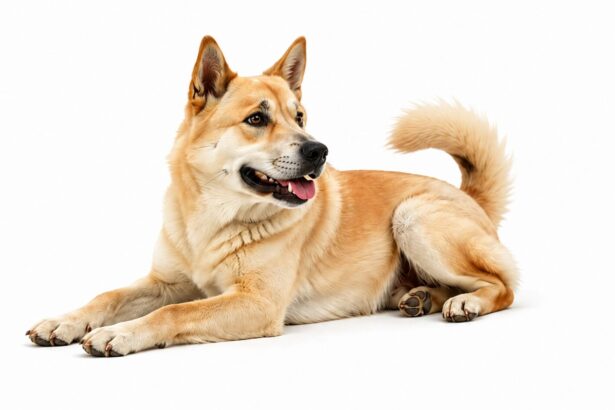
The Aidi is a medium-sized dog that looks exactly like what it is. A working guardian built for difficult terrain and difficult conditions. Standing 20 to 24 inches at the shoulder and weighing between 50 and 55 pounds, the breed is well-proportioned, solidly muscular, and carries itself with a purposeful confidence that is immediately apparent. There is nothing soft or decorative about the way an Aidi is put together.
The head is broad and bear-like, which is one of the most frequently cited descriptions of the breed and one of the most accurate. The muzzle is strong and slightly conical, shorter than the skull, and the overall expression is alert, watchful, and intelligent. The eyes are medium-sized and dark, carrying the kind of steady, observant look that makes it clear this dog is always paying attention to its surroundings. The ears are triangular, set moderately high on the head, and carried in a semi-pendant position that gives the face an expressive, attentive quality.
The body is built for the Atlas Mountains. Solidly constructed, slightly longer than tall, and muscular through the hindquarters in a way that reflects centuries of covering rough ground at speed. The Aidi is an athlete underneath all that coat.
For a breed of African origin, the coat comes as a genuine surprise to most people encountering the breed for the first time. It is thick, medium-length, and weather-resistant, with coarse outer guard hairs and a dense insulating undercoat designed to handle extreme temperature swings from scorching mountain days to freezing nights. This coat was not bred for aesthetics. It was bred to keep a working dog functional in brutal conditions. It comes in a wide range of colors including black, brown, brindle, cream, red, cream sable, and red sable, with or without white markings and with or without a black mask. The tail is long and bushy, carried in an upward curve when the dog is alert and dropped lower when at ease.
Housing And Living Requirements
The Aidi spent centuries roaming wide-open mountain terrain, and its housing needs have not changed to accommodate modern apartment living. This is a breed that needs space, outdoor access, and a securely fenced yard as an absolute baseline. Rural properties and working farms are genuinely the ideal setup. Urban or apartment living is a poor fit regardless of how much daily exercise is attempted, and most experienced Aidi owners are direct about this.
The fence is not a detail to overlook. The Aidi has a powerful territorial instinct and a strong drive to patrol, investigate, and respond to anything it perceives as a threat to its space or its people. A dog with that level of drive and that level of physical capability will find a way past a fence that is not properly secured. Tall, solid fencing is a firm requirement.
Inside the home, a settled Aidi whose needs are being met is calm and relatively quiet. It is not a destructive breed by default, and it carries itself indoors with the same alert, watchful quality it brings to everything else. A large, comfortable dog bed placed where the dog can observe the household is both practical and genuinely appreciated by a breed that rests hard between activity sessions.
The Aidi bonds deeply with its family and handles extended isolation poorly. This is a dog that needs consistent human connection and a clear role within the household. Without both, anxiety and difficult behaviors follow reliably. This breed also handles cold weather exceptionally well thanks to its thick double coat. In hot climates, access to shade, cool resting areas, and fresh water at all times is essential.
Exercise Requirements
An under-exercised Aidi is a problem waiting to happen. This is a high-energy working breed that needs a minimum of one to two hours of genuine physical activity every day, and a slow neighborhood walk does not qualify as meeting that requirement. The Aidi needs to move with purpose, cover ground, and use its body the way it was designed to be used.
Long hikes on varied terrain, off-leash running in fully enclosed spaces, and structured play sessions that actually push the dog physically are all appropriate and necessary outlets. A large, securely fenced yard where the dog can move freely between formal exercise sessions makes a significant practical difference in the day-to-day management of this breed. For owners with the space, a set of dog agility equipment gives the Aidi a productive way to run, jump, and problem-solve in a controlled environment, addressing both the physical and mental sides of its exercise needs simultaneously.
Mental stimulation is not an optional extra for this breed. The Aidi is a thinking dog that was bred to make independent decisions, and a dog that is physically tired but mentally bored will still find ways to express that frustration. Nose work and scent-based activities are particularly well-suited to the Aidi and can be built into the daily routine alongside physical exercise, engaging the breed’s exceptional natural detection abilities in a productive and satisfying way.
After hard activity, the Aidi rests well and settles completely. Intense bursts followed by long periods of genuine calm is very much the natural rhythm of this breed.
Grooming Requirements
The Aidi is not the most demanding breed in the world when it comes to coat maintenance, but it is not a low-effort dog either. The thick double coat requires brushing at least once a week under normal conditions. During the spring and fall shedding seasons, when the undercoat drops heavily, daily brushing becomes necessary to stay on top of the volume and to prevent matting from developing. A quality slicker brush and a wide-toothed comb are the two tools that will do most of the work.
The coat does not need professional trimming or clipping. It is a natural working coat that maintains its structure without intervention, and altering it is not recommended or necessary for a pet dog. What it does need is consistent maintenance, particularly around the neck, behind the ears, and on the hindquarters where the fur is thickest and most prone to tangling.
Bathing every four to six weeks is sufficient for most dogs, more frequently if the dog has been working outdoors in wet or dirty conditions. The dense undercoat holds moisture, so thorough drying after every bath is important to prevent skin issues from developing underneath the surface coat.
Standard maintenance rounds out the grooming routine. Nails should be trimmed regularly, particularly for dogs spending more time on soft ground than on hard terrain. The semi-pendant ear set reduces airflow into the ear canal, which means ears should be checked and cleaned weekly to prevent buildup. Dental care is worth building into the routine early, since it is far easier to establish as a habit than to introduce to an adult dog that has never experienced it.
Diet And Nutrition
The Aidi is a lean, muscular, active dog, and its diet needs to reflect that. A high-quality food with real protein listed as the first ingredient is the right starting point. This is not a breed that thrives on low-quality, filler-heavy kibble. Given the level of daily activity this dog requires, adequate protein and healthy fat are both essential to support energy output, muscle maintenance, and coat condition.
Most adult Aidis do well on two meals per day rather than one large feeding. Portion control matters throughout the dog’s life. The breed can put on weight if activity levels drop and food quantities are not adjusted to match, and extra weight on a dog built for mountain work puts unnecessary strain on the joints. Monthly food costs for an active medium-sized dog typically run between $40 and $70 depending on the brand and formula.
The Aidi’s moderately deep chest creates some susceptibility to a life-threatening condition in which the stomach twists on itself and requires emergency surgery. Feeding smaller meals rather than one large daily serving, avoiding intense exercise immediately before and after eating, and using a slow-feeder bowl to reduce eating speed are all practical and meaningful preventive steps. Discuss the risk with your vet and make sure you understand the warning signs, which include unproductive retching, a visibly distended abdomen, and restlessness in the period after eating.
Training treats work well as motivators during sessions but should always be factored into the daily calorie count rather than added on top of full meals.
Compatibility
The Aidi is a devoted family dog for the right family. It bonds deeply with the people it lives with, takes its protective role seriously, and can be warm and affectionate within its own circle. Outside that circle, the picture changes noticeably. With strangers, the Aidi is reserved, watchful, and often outright suspicious until it has made its own assessment of the person and the situation on its own timeline. Attempting to rush that process rarely produces the intended result.
With older children who understand how to interact respectfully with dogs, the Aidi can do well, particularly when raised alongside them from puppyhood. Very young children who are unpredictable, loud, or physically rough are a more complicated fit for this breed. The Aidi is not aggressive by default, but it is not endlessly tolerant either, and its instinct to guard means it can become tense in chaotic or overstimulating household environments.
With other dogs, particularly those it has been raised with from a young age, the Aidi generally coexists well. Introductions to unfamiliar dogs should be done carefully and on neutral ground rather than in the Aidi’s established territory. With small animals, the situation requires more caution. The breed’s guarding and chase instincts can make coexistence with cats, rabbits, and other small pets genuinely challenging. Careful, supervised introductions and consistent management are essential if small animals share the home.
A dog crate is a genuinely useful tool during the initial settling-in period, giving the Aidi a quiet, defined space of its own as it adjusts to its new environment and new people.
Behavior And Temperament
The Aidi does not perform for strangers. It does not seek approval from people it has not decided to trust, and it does not warm to unfamiliar situations quickly. What it brings to the right home is something considerably more valuable than easy sociability. It brings genuine loyalty, a deep and consistent protective instinct, and a level of alertness that means very little happens within its territory without it noticing.
With its family, a different side of the breed emerges. The Aidi can be playful, engaged, and openly affectionate with the people it has bonded to. It reads emotional states well and responds to shifts in mood within the household. This emotional attunement is one of the more compelling things about living with this breed. The Aidi pays attention to its people in a way that feels deliberate rather than accidental.
The guard dog and the family companion exist side by side in this breed at all times. The Aidi will alert to anything it considers a potential threat, and its definition of a threat is shaped by its guarding instinct rather than by any external calibration. Early socialization is the most effective tool for ensuring that instinct is expressed appropriately rather than reactively. A well-socialized Aidi that has been exposed to a wide range of people, environments, and situations from puppyhood develops a much more measured response to the unfamiliar than one that has been kept in a narrow social environment.
The Aidi is vocal when it needs to be and quiet when it does not. It is not a breed that barks constantly or without reason, but when it does bark it means something, and that makes it genuinely effective as an alert dog.
Training And Handling
Training the Aidi is a test of consistency, patience, and realistic expectations. The breed is intelligent, genuinely and demonstrably so, but its intelligence does not come packaged with a desire to please. The Aidi was bred to make its own decisions in the field without waiting for direction, and that self-directed quality is still fully intact. It will assess a command, consider whether it is worth responding to, and act accordingly.
Positive reinforcement is the only approach that produces reliable results with this breed. Harsh corrections, forceful handling, or training methods built around dominance will close the Aidi down rather than open it up. High-value training treats are particularly effective for recall work, where maximum motivation is needed to compete with whatever else has caught the dog’s attention. Short, varied sessions that keep the dog engaged are consistently more productive than long, repetitive drills that test its patience.
Early socialization is not a recommendation with this breed. It is a requirement. Exposing a young Aidi to a wide range of people, environments, sounds, and situations during the critical developmental window is the single most important investment an owner can make in the dog’s long-term temperament. An Aidi that has not been properly socialized becomes increasingly wary and reactive over time, and correcting those patterns in an adult dog is significantly harder than preventing them from forming in the first place.
Recall deserves particular, sustained attention from early puppyhood onward. An Aidi that has locked onto something worth investigating or responding to will narrow its focus completely. Off-leash reliability in any unfenced area is not a realistic goal for this breed regardless of the quality or quantity of training invested, and that is not a reflection of training failure. It is simply the nature of a dog bred for independent guarding work. A GPS tracker is worth serious consideration for any Aidi owner who spends time outdoors with their dog.
Health And Lifespan
The Aidi is a hardy breed shaped by centuries of natural selection in genuinely demanding conditions. That background produced a dog with strong natural resilience and a constitution that holds up well compared to many breeds developed primarily for aesthetics. The typical lifespan is 10 to 12 years, and well-cared-for individuals in good conditions can reach beyond that range.
Hip Dysplasia Abnormal development of the hip joint is among the most commonly documented health concerns in the breed. It can range from mild to severe and may cause pain, restricted movement, and eventually arthritis as the dog ages. Keeping the dog at a healthy weight, maintaining consistent appropriate exercise, and sourcing puppies from breeders who health-test their breeding stock all meaningfully reduce the risk and the impact. Starting your dog on joint supplements following a vet consultation is worth considering as the dog moves into middle age.
Elbow Dysplasia A developmental condition affecting the elbow joint, elbow dysplasia can cause lameness and discomfort ranging from mild to significant depending on severity. Management options include physical therapy, weight control, and in more serious cases surgery.
Eye Conditions Progressive retinal atrophy, cataracts, and other hereditary eye conditions have been identified in the breed. Regular veterinary eye examinations allow for early detection, and responsible breeders screen for inherited eye conditions before pairing their dogs.
Bloat (Gastric Dilatation-Volvulus) The Aidi’s moderately deep chest creates susceptibility to bloat, which is a life-threatening emergency requiring immediate veterinary intervention. Understanding the warning signs and taking practical preventive steps around feeding and exercise timing is essential knowledge for any Aidi owner.
Routine preventive care makes a meaningful cumulative difference across all of these conditions. Regular vet check-ups, up-to-date vaccinations, consistent dental care, and flea and tick prevention are all foundational to keeping this breed in good health throughout its life. The Aidi’s history of working in open terrain also means heartworm prevention should be discussed with your vet and maintained consistently.
Price And Availability
The Aidi is a genuinely rare breed outside of its native North Africa, and finding one in the United States or most Western countries requires real research, patience, and a willingness to wait. There is no AKC recognition at this time, dedicated breeders outside Morocco are extremely limited, and waiting lists are common even when a reputable breeder is located.
From a reputable breeder, expect to pay somewhere between $800 and $1,500 for a puppy, with some variation depending on the breeder’s location, the quality of the bloodlines, and how difficult the dog is to source. Given the breed’s rarity, pricing can fluctuate and there is no strong established market to benchmark against the way there is for more common breeds.
Adoption is worth exploring as a meaningful alternative. The American Rare Breed Association is a reasonable starting point for locating adoptable dogs or connecting with breeders who maintain proper health and breeding records. Rescue dogs typically come with lower fees and often arrive already spayed or neutered with a known health history.
Beyond the initial purchase price, ongoing ownership costs are worth budgeting carefully. Food for an active medium-sized dog, routine veterinary care, parasite prevention, and pet insurance all add up. Annual expenses outside the initial purchase price typically run from $1,500 to $2,500 or more depending on the dog’s individual health needs and your location.
Any breeder who cannot provide health testing documentation, refuses to allow you to meet the puppy’s parents, or sells through an online marketplace without proper vetting and transparency should be avoided entirely.
Conclusion
The Aidi is not a breed that announces itself. It did not win Best in Show at Westminster or accumulate the kind of popular recognition that follows a dog into mainstream culture. What it has instead is something considerably more durable. Centuries of genuine working history, a temperament built on loyalty and independent intelligence, and a resilience that comes from being shaped by one of the most demanding environments on earth rather than by a show ring. For the right owner who understands what they are taking on, provides the space, the exercise, the early socialization, and the patient consistent training this breed genuinely requires, the Aidi is a remarkable companion that most of the dog-owning world has never heard of. Before your Aidi comes home, make sure you have everything they need from day one. Our Best Dog Products page covers the essentials for active, high-drive working breeds that demand the best.