
Origin And History
The Boerboel is South Africa’s answer to the Mastiff, a large, powerful, and supremely capable guardian breed whose name encodes both its origins and its identity. In Afrikaans, the language of South Africa’s Dutch-descended Boer farming community, boer means farmer and boel describes a large, mastiff-type dog. The Boerboel is quite literally the farmer’s large dog, shaped across three centuries of isolated South African farm life into one of the most powerful, most devoted, and most physically capable guardian breeds in the world.
The breed’s story begins with Jan van Riebeeck’s arrival at the Cape of Good Hope in 1652. Van Riebeeck came to establish a Dutch East India Company resupply station at what would become Cape Town, and he brought with him a Bullenbeisser, a now-extinct German breed whose name translates as biter of bulls and that is believed to have contributed to the development of the Boxer. This dog, described in records as a large, bulldog-like animal, was the first European working dog to reach southern Africa, and its descendants became part of the foundational stock from which the Boerboel eventually emerged.
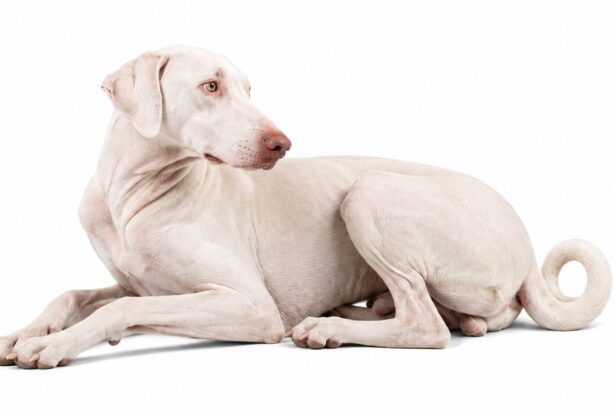
Over the following centuries, as Dutch, German, and Huguenot settlers spread outward from the Cape into the interior of southern Africa, they brought their working dogs with them and encountered and interbred those dogs with whatever working dogs other settlers and traders introduced. English settlers brought Bulldogs and Mastiffs. Later, the De Beers diamond mining company imported Bullmastiffs from Britain to guard its famous diamond mines in Kimberley. The Rhodesian Ridgeback is also believed to have contributed to the developing Boerboel population in some regions, though no ridge is present in the modern breed. Over generations of isolated farming life in the South African interior, these diverse working dogs bred together, were selected by their working performance rather than by any aesthetic standard, and gradually consolidated into the consistent type that South African farmers knew as their farm dog.
The selection pressure that shaped the Boerboel was among the most demanding of any breed in the world. The early Boer farmers lived in remote homesteads hours from any other settlement, in territory populated by leopards, lions, hyenas, and baboons. A dog that could not defend the farmstead against these predators was a dog that did not survive to reproduce. The Boerboel was such a reflexive part of Boer farm life in South Africa that in previous centuries having a breed standard was almost superfluous. Dogs that survived the rigors of the bush and did their job well went on to procreate; the rest did not. This natural and harsh selection for the most capable guardians across three centuries produced a dog of extraordinary physical capability and fearless protective character.
By the mid-20th century, the breed had declined significantly as urbanization reduced the demand for working farm dogs and crossbreeding diluted many surviving bloodlines. In the early 1980s, Lucas van der Merwe of Kroonstad and Jannie Bouwer of Bedford undertook a search for surviving pure Boerboels across South Africa, covering 5,500 kilometers of territory and finding 250 dogs. Of those, only 72 were selected for registration as meeting the breed’s working type and character standards. From this narrow base, the South African Boerboel Breeders’ Society organized a formal breeding program that rebuilt the population while establishing and maintaining breed standards.
The AKC added the Boerboel to its Foundation Stock Service in 2006, accepted it into the Miscellaneous Group in 2010, and granted full recognition in 2015, placing it in the Working Group. The American Boerboel Club serves as the AKC parent club.
Breed Overview
| Trait | Details |
|---|---|
| Breed Group | Working |
| Height | Males 61–69 cm (24–27 inches) / Females 56–64 cm (22–25 inches) |
| Weight | Males 68–90 kg (150–200 pounds) / Females 54–72 kg (120–160 pounds) |
| Lifespan | 9–11 years |
| Coat | Short, dense, smooth |
| Colors | Red, brown, fawn, brindle; with or without black mask |
| Temperament | Confident, intelligent, loyal, dominant, protective |
| AKC Recognition | 2015 |
Appearance And Size
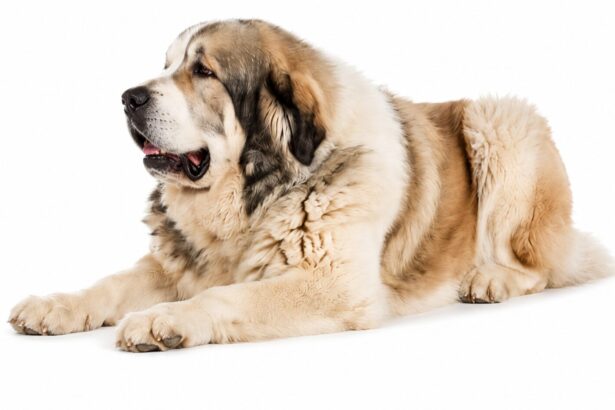
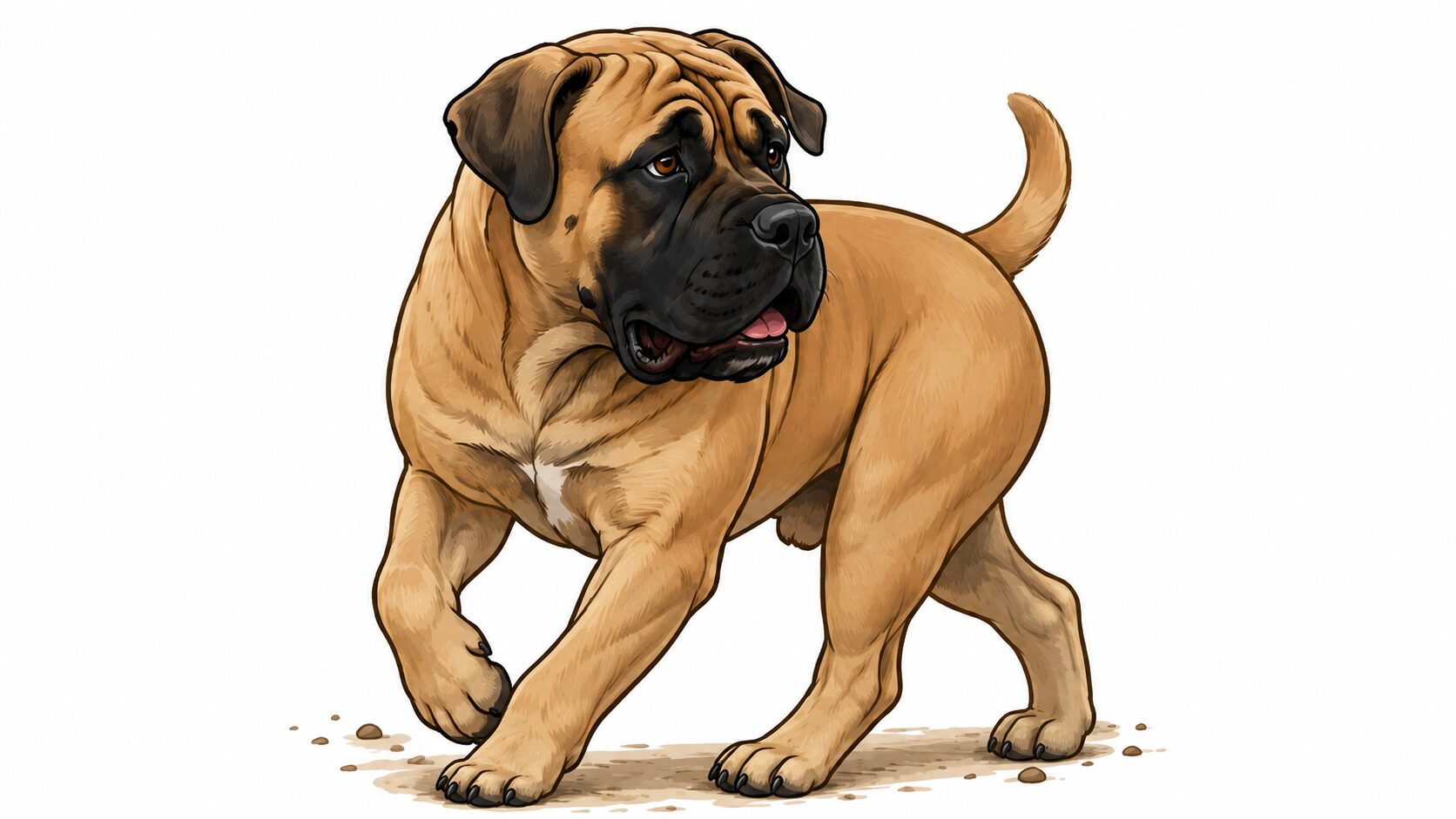
The Boerboel is a very large, powerfully built, and immediately impressive mastiff-type dog that presents with the combination of substantial physical mass and athletic functionality that its three centuries of working selection for capable predator defense produced. Males stand 61 to 69 centimeters at the shoulder and can weigh up to 90 kilograms. Females stand 56 to 64 centimeters and are somewhat lighter throughout the range. The breed’s balance and free-flowing movement distinguish it from some heavier-built mastiff breeds, reflecting the South African selection for a guardian that could move effectively across rough terrain rather than simply stand its ground.
The head is large, broad, and blocky, with a flat or slightly rounded forehead, a defined stop, and a short, deep, square muzzle. The eyes are forward-facing and set well apart, medium to large in size, and carry the confident, alert expression that is one of the breed’s most characteristic and most immediately impressive qualities. The ears are medium-sized, set wide apart, and hang flat against the cheeks.
The body is powerfully muscled throughout, with a broad, deep chest, a level topline, and hindquarters of considerable muscular development. The overall impression is of a dog of great physical capability that carries its mass with a degree of athletic ease appropriate for a working guardian. The tail is docked in countries where this remains legal, carried high and straight, though in countries where docking is prohibited the natural tail is carried in a curved or saber fashion.
The coat is short, dense, and smooth, lying close to the body and requiring minimal grooming. Colors include various shades of red, brown, fawn, and brindle, with a black mask present on many individuals. The combination of powerful build, confident bearing, and rich coat color gives the Boerboel one of the most imposing and visually impressive presentations of any breed in the working group.
Housing And Living Requirements
The Boerboel’s housing requirements are among the most clearly defined of any breed in this series, shaped by the combination of its enormous physical size, its extraordinary protective capability, and the intelligence and dominance that make it so effective as a guardian and so challenging as a companion without appropriate management.
A rural or semi-rural property with significant outdoor space and a genuinely secure perimeter is the most appropriate setting. The Boerboel is not a breed for apartment living, small urban properties, or households that cannot provide meaningful daily exercise and outdoor space. A large, securely fenced property where the dog can patrol and express its guardian instincts legitimately is the environment most suited to this breed.
The fence matters enormously with this breed, both for containing the dog and for managing what happens at the perimeter. A Boerboel that encounters unfamiliar people or other dogs through or over a fence presents a different management situation than most breeds of smaller size and less forceful character. Tall, solid fencing that prevents direct interaction with passersby is the practical requirement.
Inside the home, a well-managed, appropriately exercised Boerboel is a calm, devoted, and surprisingly gentle companion with its own family. The warmth and affection that this breed shows to the people it regards as its own is genuine and often startling to people who encounter the breed for the first time expecting only fierce protection. A large orthopedic dog bed is an important investment for a breed of this size and weight, providing joint support that is particularly important given the documented predisposition to hip and elbow dysplasia.
Exercise Requirements
The Boerboel is a large, athletic working breed with genuine daily exercise needs that reflect its heritage as a dog built for sustained physical capability across demanding African terrain. At least one hour of moderate to vigorous daily exercise is appropriate for most adults, combining structured walks with active play and activities that engage both the physical capability and the considerable intelligence of the breed.
The breed’s movement, free-flowing and purposeful as the AKC standard requires, benefits from the kind of varied, meaningful exercise that genuine daily activity across different surfaces and terrain provides. Long walks, hiking, and structured training sessions that combine physical movement with cognitive engagement are the most satisfying outlets for this breed’s working character.
High-impact activities during puppyhood should be limited, as the enormous weight this breed will eventually carry creates significant developmental stress on joints and bones when combined with excessive repetitive impact during growth. Large and giant breed puppy formulas and appropriate exercise management during the first 18 to 24 months are among the most important preventive health investments available to Boerboel owners.
Puzzle toys and enrichment activities provide meaningful cognitive engagement between structured physical sessions. A GPS tracker is a worthwhile safety investment for any outdoor exercise management involving a dog of this size and capability.
Grooming Requirements
The Boerboel’s short, dense, smooth coat is among the most practically low-maintenance grooming commitments of any large breed in the working group. Brushing once or twice a week with a rubber grooming mitt or firm bristle brush removes loose hair, distributes natural oils, and keeps the coat in healthy condition. The breed sheds moderately throughout the year without dramatic seasonal fluctuations.
Bathing every six to eight weeks is appropriate under normal conditions. The short coat dries quickly after bathing, making the process efficient for a dog of this size.
The facial skin folds that some individuals carry, particularly around the muzzle and jowls, should be checked and cleaned regularly during grooming sessions. Moisture and debris accumulating in skin folds can cause bacterial or yeast infections, and early inspection and cleaning prevents minor issues from becoming established problems.
The eyes require particular attention given the documented predisposition to both entropion and ectropion in the breed. Regular inspection for any signs of eye irritation, discharge, or eyelid abnormality, and prompt veterinary attention to any concerns, is an important routine care commitment.
Dental care should be established as a consistent routine from puppyhood. Nails should be trimmed monthly. Ears should be checked and cleaned weekly.
Diet And Nutrition
The Boerboel is a large to very large breed with significant daily caloric needs that should be carefully calibrated to its actual size and activity level. A high-quality large or giant breed formula with a named protein source as the first ingredient provides the nutritional foundation this massive breed requires.
Growth management during puppyhood is one of the most important dietary considerations for any breed that will approach or exceed 90 kilograms at maturity. Large and giant breed puppy formulas control the rate of growth and reduce the developmental strain on joints and bones during the phase when the Boerboel is growing most rapidly. Overfeeding during puppyhood accelerates growth in ways that increase the risk and severity of hip and elbow dysplasia in a breed already significantly predisposed to these conditions.
Most adults do well on two measured meals per day. Feeding two meals rather than one large daily serving is also a meaningful preventive measure against bloat, which is a serious documented risk in this deep-chested giant breed. Using a slow-feeder bowl and avoiding vigorous exercise for at least an hour before and after meals are practical preventive measures worth establishing as permanent household routines. Any suspicion of gastric dilatation-volvulus warrants immediate veterinary emergency treatment.
Maintaining lean body condition throughout the dog’s life is one of the most practically meaningful health investments available. Extra weight on a breed this large creates compounding problems for joints with documented predispositions to dysplasia and for a heart that carries the documented risk of dilated cardiomyopathy. Discussing joint supplements with your veterinarian from the dog’s early adult years is worthwhile.
Training treats are effective motivators in training contexts and should be counted into the daily calorie total.
Compatibility
The Boerboel’s compatibility profile is one of the most nuanced and most important aspects of responsible breed evaluation for prospective owners. This is a dog of extraordinary physical capability and deeply embedded guardian instincts, and understanding both dimensions of that character honestly is the foundation of appropriate ownership decisions.
With its own family, the Boerboel is genuinely and often surprisingly warm, devoted, and affectionate. The protection of its family is the Boerboel’s most fundamental instinct, and the warmth it shows toward the people it regards as its own is the other side of the same coin as the ferocity with which it would defend those people. Boerboels bond deeply with every member of their household and express those bonds through the devoted, watchful closeness of a dog that regards the family’s safety as its primary responsibility.
With children in its household, the Boerboel is generally patient and gentle when raised alongside them and thoroughly socialized from puppyhood. Multiple sources note that Boerboels can be particularly tender and protective with children they regard as part of their family. The breed’s enormous size requires supervision during interactions with very young children simply because of the physical dynamics involved with a dog of this weight.
With strangers, the breed’s guardian character is consistent and pronounced. The Boerboel makes its own assessment of unfamiliar people and does not extend trust casually or quickly. This quality, which is the direct expression of three centuries of selection for exactly this capability, makes thorough early socialization not merely beneficial but genuinely essential for any Boerboel that will encounter unfamiliar people with any regularity.
With other dogs, the breed requires careful management. Dominant dog-dog aggression, particularly between same-sex individuals, is documented in the breed, and introductions to unfamiliar dogs should be managed with the care appropriate for a dog this large and this capable. A dog crate sized for a giant breed is an important management tool during puppyhood and the settling-in period.
Behavior And Temperament
The Boerboel’s temperament is the direct product of three centuries of selection for the most capable guardians of isolated South African homesteads against some of the most dangerous predators in the world. It is confident, intelligent, dominant, and capable of making its own assessments about threats and responding to those assessments with the decisive conviction of a breed that was trusted to protect the farm when no human help was available.
The confidence is the most immediately apparent quality and one that distinguishes the breed from more anxiously reactive guardian types. A well-bred Boerboel does not approach the world with the anxiety or reactivity that produces unpredictable aggression. It approaches its world with settled, measured authority, making its own assessments with the calm deliberateness of a dog that is secure in its capabilities. This quality makes the well-socialized, properly managed Boerboel a predictable and reliable guardian rather than a hair-trigger reactive one.
The intelligence is genuine and deep. The Boerboel is bright and eager to learn, and this quality makes it highly responsive to appropriate training while also making it capable of the kind of independent decision-making that was essential to its working purpose. A Boerboel that is not being engaged intellectually will find its own activities, and in a dog of this size and capability, that independence requires proactive management.
The dominance is real and should be understood as a characteristic to be managed through consistent, confident handling rather than suppressed through force. A Boerboel that encounters inconsistent leadership will apply its own judgment, and in a dog this large and this capable, that judgment may not align with the household’s expectations.
Training And Handling
The Boerboel is one of the most capable and most challenging breeds to train well, and understanding both sides of that assessment is essential before acquiring one. It is intelligent enough to learn almost anything, motivated enough to engage with training when the relationship is positive and the handling is consistent, and capable enough that the consequences of inadequate training or inconsistent management are genuinely significant in a dog of this size.
Positive reinforcement methods are the foundation of effective Boerboel training, but they must be combined with calm, consistent, genuinely confident handling. The Boerboel responds to reward, to genuine engagement, and to training that acknowledges its intelligence. It does not respond well to harsh, confrontational approaches that produce resentment in a breed this capable, but it equally does not respond well to passive, inconsistent handling that it interprets as absence of leadership.
Early socialization beginning as young as possible is the most important single investment a Boerboel owner can make. Exposing the young dog to a wide range of people, other dogs, environments, sounds, and situations during the critical developmental window shapes the adult dog’s ability to navigate varied social contexts with the calibrated, measured response that the breed’s character naturally supports when properly developed. This socialization must be sustained throughout the dog’s life.
This is genuinely not a breed for first-time or inexperienced dog owners. The Boerboel’s size, its guardian instinct, its dominance, and its intelligence require experienced, consistent, knowledgeable handling. Working with a professional trainer who has specific experience with large working guardian breeds is strongly recommended from puppyhood onward. Training treats are effective motivators throughout the training process.
Health And Lifespan
The Boerboel is relatively healthy for a giant breed with a lifespan of 9 to 11 years. Its development through practical working selection across three centuries, with dogs that could not perform the demanding physical and psychological requirements of South African farm guarding failing to reproduce, produced a constitution that is generally more robust than many breeds developed primarily through aesthetic selection. However, the specific health conditions documented in the breed are significant and require proactive, informed management.
Hip and Elbow Dysplasia Abnormal joint development causing pain, restricted movement, and progressive arthritis is the most consistently documented hereditary health concern in the breed, shared with other giant breeds but particularly significant given the extreme body weight the Boerboel carries. Sourcing puppies from breeders who conduct OFA hip and elbow screening on both parents is the most important preventive step available. Growth management through large breed puppy nutrition, avoidance of high-impact exercise during puppyhood, and maintaining lean body condition throughout the dog’s life are meaningful protective measures. Discussing joint supplements with your veterinarian from the dog’s first or second year of adult life provides meaningful long-term joint support.
Dilated Cardiomyopathy Heart muscle disease causing cardiac enlargement and reduced pumping function is a documented genetic predisposition in the breed and a significant longevity concern. The first signs often include lethargy, weakness, and exercise intolerance, progressing to coughing, increased respiratory rate, and a distended belly. Regular cardiac evaluation, including echocardiogram, is an important component of the breed’s health monitoring as it ages. The American Boerboel Club recommends cardiac evaluation as part of the breed’s health testing protocol. Annual veterinary cardiac examination allows for early detection and appropriate medical management.
Bloat (Gastric Dilatation-Volvulus) The deep, broad chest that provides the Boerboel’s characteristic powerful silhouette creates meaningful susceptibility to this life-threatening emergency. Two smaller meals rather than one large daily serving, slow-feeder bowls, strict avoidance of vigorous exercise around mealtimes, and awareness of the warning signs are the most practical preventive measures. Prophylactic gastropexy surgery, which tacks the stomach to prevent rotation, is worth discussing with your veterinarian given the breed’s size and deep-chest configuration.
Eye Conditions Both entropion, in which the eyelid rolls inward and causes corneal irritation, and ectropion, in which the lower eyelid droops outward exposing the inner membrane, are documented in the breed. Both conditions can cause chronic eye irritation and secondary infections. Regular veterinary eye examinations allow for early detection, and surgical correction is effective when required. CAER eye certification of breeding animals is recommended.
Cruciate Ligament Injuries The significant body weight the Boerboel carries creates meaningful mechanical stress on the cruciate ligaments of the knees, and ligament tears that would be unusual in lighter breeds are documented at higher rates in this size class. Maintaining appropriate weight throughout the dog’s life is the most meaningful preventive measure.
Routine preventive care, including regular vet check-ups, consistent dental hygiene, up-to-date vaccinations, and parasite prevention, provides the foundation for a healthy Boerboel across its lifespan. Pet insurance is strongly recommended given the range of conditions the breed is predisposed to and the significant treatment costs that hip dysplasia surgery, DCM management, and bloat emergency treatment can each generate.
Price And Availability
The Boerboel is a moderately available breed in the United States with a dedicated community of reputable breeders, though it remains less common than many of the more established working group breeds. From reputable breeders, expect to pay between $1,500 and $3,000 for a well-bred puppy from health-tested parents, with dogs from champion show and working bloodlines occasionally commanding higher prices.
The American Boerboel Club is the most authoritative starting point for locating breeders who adhere to the AKC breed standard and conduct appropriate health testing. Responsible breeders will conduct OFA hip and elbow evaluations, cardiac evaluation, and CAER eye certification on their breeding animals, and will publish all results in the OFA database. They will ask thorough and pointed questions about the prospective buyer’s experience with large guardian breeds, housing situation, fencing, and genuine understanding of the breed’s management requirements. Any breeder who does not ask these questions is a breeder worth avoiding.
Adoption is occasionally possible through Boerboel rescue organizations, though the breed’s relative rarity means adoptable Boerboels are infrequent compared to more popular breeds. Adults from rescue settings are worth considering for experienced working dog owners, as rescue organizations typically assess temperament thoroughly before placement.
Annual ongoing ownership costs are among the highest of any breed in this series, reflecting the Boerboel’s size. Food alone runs $100 to $150 monthly for a dog this large. Routine veterinary care, cardiac and joint monitoring as the dog ages, dental products, and standard supplies add meaningfully to the ongoing investment. Pet insurance is strongly recommended from the day the puppy comes home.
Conclusion
The Boerboel spent three centuries in the South African interior doing what no breed certification committee supervised and no formal breed standard guided: protecting isolated farming families and their livestock against leopards, lions, baboons, and hyenas with the courage, the physical capability, and the selfless guardian devotion that those conditions demanded and that natural selection ruthlessly enforced. The result is a breed of extraordinary power, genuine intelligence, devoted family loyalty, and guardian capability that few breeds in the world can match. It requires experienced ownership, thorough early socialization, consistent confident training, and proactive health management for the specific conditions its size and genetics predispose it to. For the right owner, in the right environment, with the right commitment to the genuine requirements of responsible Boerboel ownership, it offers a protection and companionship partnership of rare depth and capability. Get properly set up before bringing one home. Our Best Dog Products page has everything you need for powerful, devoted, whole-heartedly loyal South African guardian dogs that carry three centuries of Boer farming heritage and the full protective capability of South Africa’s greatest farm dog into every home they protect.