

Origin And History
The Bohemian Shepherd is one of the oldest dog breeds in Central Europe, an ancient herding and guardian dog from the Chodsko region of western Bohemia whose documented history stretches back to the 14th century and whose cultural significance to the Czech people is reflected in its appearance on flags, in paintings by national artists, and on the official badge of the Czech version of the Boy Scouts. It is known in its homeland as the Chodský pes, meaning the Chod dog, and it takes that name from the Chods, a distinct subgroup of the Czech people who inhabited the southwestern border region of the Kingdom of Bohemia and who used these dogs for both border patrol and farmstead work.
The breed’s origins precede reliable written records, as with most ancient working breeds, but the earliest written reference to dogs of this type in the Chodsko region appears in 14th century documents. In 1325, King John of Luxembourg officially recognized the Chodoway people’s exclusive right to breed these dogs, which were primarily tasked with border patrol duties. This royal recognition is a remarkable historical footnote, as it reflects the genuine working value these dogs had to both the Chod communities and the Bohemian kingdom they protected. Common Bohemian peasants were prohibited from owning dogs during this period, making the Chods’ right to maintain these animals a privilege of considerable significance.
The Chods used their dogs to guard the southwestern border crossing to Germany through the densely forested terrain of the Bohemian Forest, accompanying the frontier patrols that maintained the kingdom’s border security. The dogs also herded sheep and protected farmsteads, making them genuinely versatile working partners rather than specialists in a single discipline. Over subsequent centuries, these dogs became deeply embedded in the cultural identity of the Chodsko region, depicted in folk art, referenced in literature, and featuring in the works of the nationally celebrated artist Mikoláš Aleš, whose paintings of the Bohemian Shepherd helped establish the breed’s identity in the national consciousness.
The breed’s most significant historical claim is one that remains debated among cynologists: the Bohemian Shepherd is believed by some researchers to be a direct ancestor of the German Shepherd Dog. The geographic proximity of the Chodsko region to Germany, the breed’s visual similarity to the German Shepherd, and the timeline of German Shepherd development in the late 19th century are all consistent with this relationship, and Bohemian Shepherd enthusiasts and some historians have argued the case with documentary evidence. Whether or not the German Shepherd directly descended from the Bohemian Shepherd, what is clear is that the Bohemian Shepherd is the older breed, established centuries before the German Shepherd’s systematic development began in the 1890s.
The 20th century brought serious decline. The breed nearly disappeared during and after the Second World War, its population falling to numbers that placed its continuation in genuine jeopardy. A revival effort began in earnest in 1984, when dedicated Czech breeders undertook systematic efforts to locate surviving pure specimens, establish a breeding program, and develop a formal breed standard. The Czech Kennel Club (ČMKU) recognized the breed during this revival period. The first official breed standard appeared in 1997. The FCI granted the breed provisional recognition in 2019, and the breed entered the AKC Foundation Stock Service the same year.
Breed Overview
| Trait | Details |
|---|---|
| Breed Group | Herding (provisional FCI Group 1) |
| Height | 48–55 cm (19–22 inches) |
| Weight | 16–25 kg (35–55 pounds) |
| Lifespan | 12–15 years |
| Coat | Medium length, dense double coat |
| Colors | Black and tan |
| Temperament | Intelligent, loyal, energetic, affectionate, protective |
| FCI Recognition | 2019 (provisional) |
| AKC Status | Foundation Stock Service |
Appearance And Size
The Bohemian Shepherd is a medium-sized herding dog that bears a clear visual resemblance to the German Shepherd while being noticeably smaller and lighter in build, standing 48 to 55 centimeters at the shoulder and weighing between 16 and 25 kilograms. The overall impression is of a well-proportioned, athletic, slightly elongated herding dog that carries its moderate substance with the agile, alert energy of a breed shaped for active work across varied terrain.
The head is wedge-shaped, of medium size, with a moderately broad forehead and a well-defined, moderately long muzzle. The eyes are medium-sized, almond-shaped, and dark brown, carrying the intelligent, alert expression that is one of the breed’s most immediately appealing qualities. The ears are erect, moderately sized, triangular, and set high on the skull, giving the breed a particularly attentive and engaged appearance.
The body is slightly longer than it is tall, with a level topline, a moderately deep chest, and well-muscled hindquarters. The tail is long, well-feathered, and carried in a gentle curve or slight upward sweep when the dog is active.
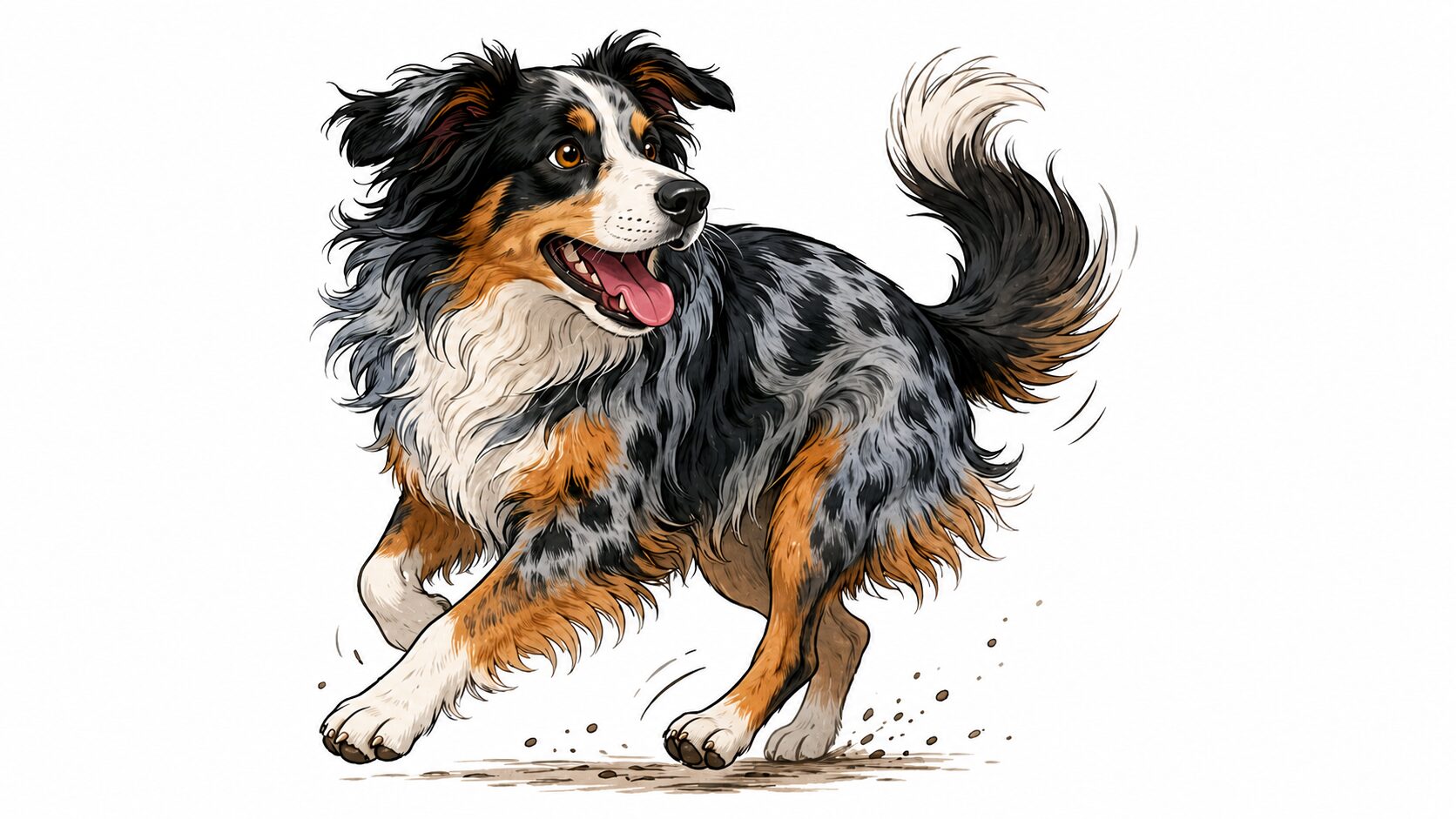
The coat is one of the breed’s most visually appealing features: medium in length, dense, and consisting of a somewhat longer outer coat over a rich, insulating undercoat. The coat forms a characteristic mane or ruff around the neck that gives the breed a particularly handsome profile. Color is always black and tan, with the rich tan markings appearing in a consistent pattern: above the eyes producing the characteristic eyebrow marks, on the cheeks and muzzle, on the chest, and on the lower legs. This color pattern is consistent and required across all registered Bohemian Shepherds.
Housing And Living Requirements
The Bohemian Shepherd is a more genuinely adaptable breed in terms of living environment than many other herding breeds of comparable energy and intelligence. Its moderate size, balanced temperament, and relatively settled indoor character make it more accessible across different living situations than the most intensely driven herding breeds.
The breed can adapt reasonably well to apartment or urban living provided daily exercise is genuinely provided and the dog has adequate mental stimulation. A home with access to a garden of meaningful size is more naturally suited to a breed with genuine herding instincts and active working heritage, and rural or semi-rural environments provide the most complete expression of the breed’s outdoor capabilities.
A securely fenced garden is important. The Bohemian Shepherd’s herding instinct and alert working character mean it takes an active interest in its environment, and a fence that is not genuinely secure will be assessed for weaknesses by a breed this capable and this motivated. The herding instinct can also occasionally express itself as an impulse to chase, making secure containment important near roads and traffic.
Inside the home, a well-exercised Bohemian Shepherd is a calm, warm, and affectionate companion that bonds closely with its family and expresses that bond through the attentive, engaged proximity of a breed that is always aware of and responsive to its household. A comfortable dog bed in a social area suits the breed’s people-oriented nature during rest periods.
The dense double coat provides genuine cold weather insulation, appropriate for the harsh winters of the Bohemian Forest region where the breed developed. In hot and humid climates, outdoor activity during the warmest parts of the day should be managed carefully.
Exercise Requirements
The Bohemian Shepherd is an active, energetic herding breed with genuine daily exercise needs that reflect its heritage as a working border patrol and herding dog in the demanding terrain of the western Bohemian hills. At least 60 to 90 minutes of daily exercise is appropriate for most adults, combining structured walks with active play and activities that engage the breed’s working intelligence alongside its physical capability.
The breed excels across a range of structured activities that directly channel its herding intelligence and athletic capability. Dog agility is particularly well-suited to the Bohemian Shepherd’s combination of athleticism and handler focus, and the breed has shown considerable aptitude for competitive agility in Czech and European competitions. Obedience, tracking, search and rescue, and herding trials are all activities at which this breed performs genuinely well. A set of dog agility equipment at home provides structured physical and cognitive engagement for a breed that thrives on purposeful activity.
Puzzle toys and enrichment activities are genuinely important between physical exercise sessions. The breed’s intelligence means that mental under-stimulation is as significant a welfare concern as physical under-exercise. A GPS tracker is a practical safety investment for outdoor management in any unfenced area.
Grooming Requirements
The Bohemian Shepherd’s medium-length dense double coat requires consistent but manageable grooming commitment. Brushing two to three times a week under normal conditions prevents matting, removes loose hair, and keeps the coat in healthy condition. The neck mane and the feathering on the tail and backs of the legs are the areas most prone to tangling and require particular attention during grooming. During the two seasonal shedding periods in spring and fall, when the undercoat releases in significant volume, daily brushing is necessary to stay ahead of the output.
Bathing every six to eight weeks is appropriate under most conditions. The dense double coat takes time to dry thoroughly after bathing, and complete drying is important to prevent skin issues from developing under the coat.
The ears should be checked and cleaned weekly. Dental care should be established as a consistent routine from puppyhood. Nails should be trimmed monthly. The Bohemian Shepherd’s coat requires no professional trimming or clipping, which keeps the ongoing grooming expense to the cost of appropriate brushes and combs rather than professional appointments.
Diet And Nutrition
The Bohemian Shepherd is a medium-sized, active herding breed with daily caloric needs that should be matched to its actual size and activity level. A high-quality medium breed formula with a named protein source as the first ingredient provides the nutritional foundation the breed requires.
Most adults do well on two measured meals per day. Portion control is genuinely important throughout the dog’s life. The breed has some documented predisposition to bloat, making feeding management an important practical consideration: two smaller meals rather than one large daily serving, slow-feeder bowls, and avoiding vigorous exercise for at least an hour before and after meals are worth establishing as standard practice.
Maintaining appropriate weight throughout the dog’s life is one of the most practically meaningful ongoing health investments for any breed with documented predisposition to hip and elbow dysplasia. Extra weight directly worsens the rate of arthritic progression in dysplastic joints and reduces the athletic capability that defines this breed’s working character.
Training treats are highly effective motivators given the breed’s food motivation and eagerness to engage in training, and should be counted into the daily calorie total. Discussing joint supplements with your veterinarian as the dog reaches middle age is worthwhile given the breed’s documented joint predispositions.
Compatibility
The Bohemian Shepherd is one of the most genuinely family-compatible herding breeds available, combining the working intelligence and active energy of a serious herding breed with a warmth, gentleness, and emotional attunement to its household that makes it an outstanding companion for active families.
With its own family, the breed is demonstrably affectionate and devoted. The Bohemian Shepherd is a highly intelligent and empathetic breed, always aware of its humans’ needs. This emotional attunement to the household’s emotional state is one of the most consistently noted and most valued qualities of the breed, reflecting the centuries of close partnership between these dogs and the Chod families they lived and worked alongside.
With children, the breed is generally excellent when socialized from puppyhood. The Bohemian Shepherd is especially noted for its gentle and protective character with children, and multiple sources consistently describe it as being particularly good with family children. The breed will protect and watch over children with the same guardian instinct that made it valuable to the frontier families of medieval Bohemia. Very young children should still be supervised during interactions simply because of the general dynamics of herding dogs with small children.
With strangers, the breed’s guardian instinct is present and consistent. The Bohemian Shepherd will not willingly accept a stranger’s presence when watching over children, which is an accurate description of its protective character. Early and thorough socialization from puppyhood is the most effective tool for ensuring this natural protectiveness is expressed as appropriate, calibrated discernment rather than anxious reactivity.
With other dogs and household pets, the breed is generally sociable and adaptable when properly socialized from early in life. With livestock and small animals, the herding instinct should be acknowledged and managed appropriately. A dog crate is useful during puppyhood and the settling-in period.
Behavior And Temperament
The Bohemian Shepherd’s temperament is one of the most consistently described and most appealing of any herding breed in this series: intelligent, loyal, energetic in the field, calm and warm indoors, protective of family without being reactive or anxious, and possessed of the empathetic emotional attunement that centuries of close family partnership produced.
The intelligence is genuine and consistently remarkable. The breed picks up new concepts quickly, engages with training with genuine enthusiasm, and applies its cognitive capability to problem-solving in ways that consistently impress owners who encounter the breed for the first time. This intelligence needs consistent engagement to remain productively directed.
The protective character is present and meaningful without being excessive or unpredictable. The Bohemian Shepherd is not generally aggressive, but it will become protective of its family if it feels threatened, barking ferociously when a threat approaches. This protective alertness is the direct expression of the border patrol heritage that defined the breed’s purpose for centuries, and it is expressed in the modern dog with the calibrated, discerning quality of a breed that was trusted to make its own assessments about genuine threats.
The herding instinct is always present, occasionally expressing itself as an impulse to gather, organize, or direct the movement of people or other animals in the household. This instinct, channeled through appropriate training and working outlets, is the source of the breed’s remarkable versatility across herding, agility, search and rescue, and service dog roles.
Training And Handling
The Bohemian Shepherd is an exceptionally trainable breed that approaches training with the enthusiastic, engaged responsiveness of a dog that genuinely enjoys working with its handler. The breed is highly trainable and genuinely enjoys working with handlers, and this assessment accurately reflects the genuine training experience this breed provides for owners who engage with it appropriately.
Positive reinforcement methods are the approach that works most reliably. The Bohemian Shepherd responds to reward, to genuine engagement, and to training that feels collaborative and purposeful. Its emotional sensitivity means it performs best with calm, consistent, positive handling, and harsh corrections or confrontational approaches produce anxiety and avoidance in a breed this emotionally attuned to its handler’s state.
Early socialization beginning in puppyhood is important and should be sustained throughout the dog’s life. The breed’s protective instinct and its natural wariness toward unfamiliar people make the quality and breadth of early socialization one of the most important factors in its adult suitability across varied social environments.
The breed can show occasional stubbornness when training becomes repetitive or when it has formed its own opinion about the best approach to a task. Varied, engaging sessions that present genuine cognitive challenges produce considerably better results than repetitive drills.
Training treats are highly effective motivators, and the breed’s eagerness to engage with its handler makes training sessions genuinely enjoyable for both dog and owner.
Health And Lifespan
The Bohemian Shepherd is a generally healthy breed with a lifespan of 12 to 15 years, which is impressive for a breed of its size. Its development through centuries of practical working selection in demanding conditions has produced a constitution that is more robust than many breeds developed primarily through aesthetic selection. However, the breed’s limited gene pool, a direct consequence of the near-extinction it experienced in the 20th century and the subsequent revival from a small founding population, creates genuine health management considerations that responsible breeders and the Czech breeding organizations address through mandatory health testing.
Hip Dysplasia Abnormal hip joint development causing pain, restricted movement, and progressive arthritis is the most consistently documented health concern in the breed. There has been a concerted effort by the breeding organisations to attempt to minimise the diseases within this small population of dogs who possess a limited gene pool. Hip screening of breeding animals is mandatory in the Czech breeding program, and sourcing puppies from breeders who provide OFA or equivalent hip screening documentation for both parents is the most important preventive step available to international buyers. Maintaining appropriate weight throughout the dog’s life and discussing joint supplements with your vet as the dog reaches middle age are meaningful ongoing protective measures.
Elbow Dysplasia Abnormal elbow joint development causing forelimb lameness and progressive arthritis is documented alongside hip dysplasia as a health concern in the breed. OFA elbow screening is recommended for all breeding animals, and responsible breeders will provide elbow evaluation documentation alongside hip results.
Eye Conditions Eye problems including various hereditary conditions are documented in the breed. Regular annual veterinary eye examinations allow for early detection and appropriate management. Sourcing from breeders who conduct eye certification on their breeding animals is the most meaningful preventive step.
Bloat (Gastric Dilatation-Volvulus) The breed’s moderate deep-chest configuration creates some susceptibility to bloat. Two smaller meals, slow-feeder bowls, and avoiding vigorous exercise around mealtimes are practical preventive measures.
Ear Infections The erect ear carriage of the Bohemian Shepherd reduces the ear infection risk compared to pendant-eared breeds, but regular inspection and occasional cleaning remains appropriate preventive maintenance, particularly for active dogs exposed to varied outdoor environments.
Limited Gene Pool The most significant systemic health consideration for the breed as a whole is the limited genetic diversity resulting from the near-extinction bottleneck and the small founding population of the revival program. Responsible breeders actively manage this through careful mate selection, use of health testing to inform breeding decisions, and collaboration with European breeding programs to maximize the diversity available within the registered population.
Routine preventive care, including regular vet check-ups, consistent dental hygiene, up-to-date vaccinations, and parasite prevention, provides the foundation for a healthy Bohemian Shepherd across its impressive lifespan.
Price And Availability
The Bohemian Shepherd is a genuinely rare breed outside the Czech Republic, with the vast majority of the world’s population still concentrated in its homeland. Breeding populations are growing in Scandinavia, Switzerland, Germany, and the Netherlands, and interest is increasing in North America following the FCI’s provisional recognition in 2019 and AKC Foundation Stock Service listing.
Outside the Czech Republic, prices from established European breeders typically range from €800 to €1,500, with additional costs of international health certification and transport for buyers outside Europe. North American buyers should expect to pay $1,200 to $2,500 from the small number of breeders who have established lines outside Europe.
The Czech Kennel Club and European breed clubs are the most authoritative starting points for locating breeders who breed to the established Czech standard and conduct the mandatory health testing the Czech breeding program requires. Responsible breeders will provide hip and elbow screening documentation for both parents, conduct eye certification, and be transparent about their approach to managing the breed’s limited genetic diversity.
Adoption is not a realistic option outside the Czech Republic given the breed’s very small international population. The breed essentially does not appear in international shelter or rescue channels.
Annual ongoing ownership costs are moderate for a breed of this size, with food, routine veterinary care, and the grooming equipment needed for the double coat as the primary expenses. No professional grooming appointment is required.
Conclusion
The Bohemian Shepherd has been doing what it does since the 14th century: guarding the borders of the Kingdom of Bohemia, herding the sheep of the Chod farmers, protecting the homesteads of the frontier communities that depended on it, and forming the kind of close, warm, emotionally attuned partnership with Czech families that has made it one of the oldest and most culturally significant breeds in Central Europe. It nearly vanished in the 20th century, was saved by dedicated Czech breeders in the 1980s, received FCI provisional recognition in 2019, and is now growing slowly in appreciation beyond its homeland as the international dog community discovers what Czech dog owners have known for seven centuries: that this intelligent, loyal, protective, and genuinely warm herding dog is one of the most rewarding medium-sized working breed companions available. For the active family that can provide the daily exercise, the mental stimulation, the consistent training, and the genuine engagement this ancient Czech breed deserves, the Bohemian Shepherd offers a partnership of remarkable quality. Get properly set up before bringing one home. Our Best Dog Products page has everything you need for intelligent, loyal, black-and-tan herding dogs that carry seven centuries of Czech working heritage into every home they grace.