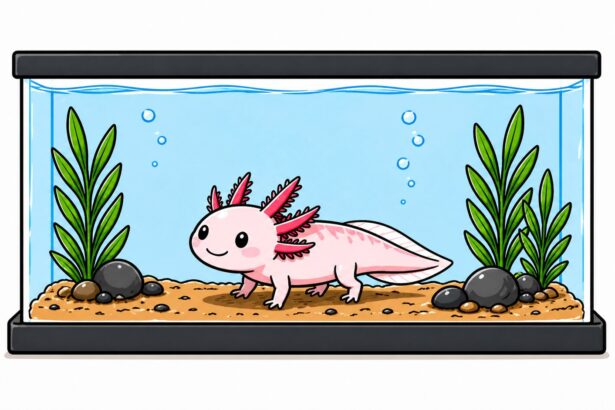

What temperature do axolotls need? It is arguably the single most important question in axolotl care, and getting the answer wrong is one of the most common reasons axolotls become sick, stop eating, and die prematurely. Unlike tropical fish, axolotls are cold-water animals with a surprisingly narrow temperature tolerance, and most home environments are simply too warm for them without active intervention. This guide covers the ideal temperature range, what happens outside that range, and every practical method available for keeping your tank cool enough.
The Ideal Temperature Range for Axolotls
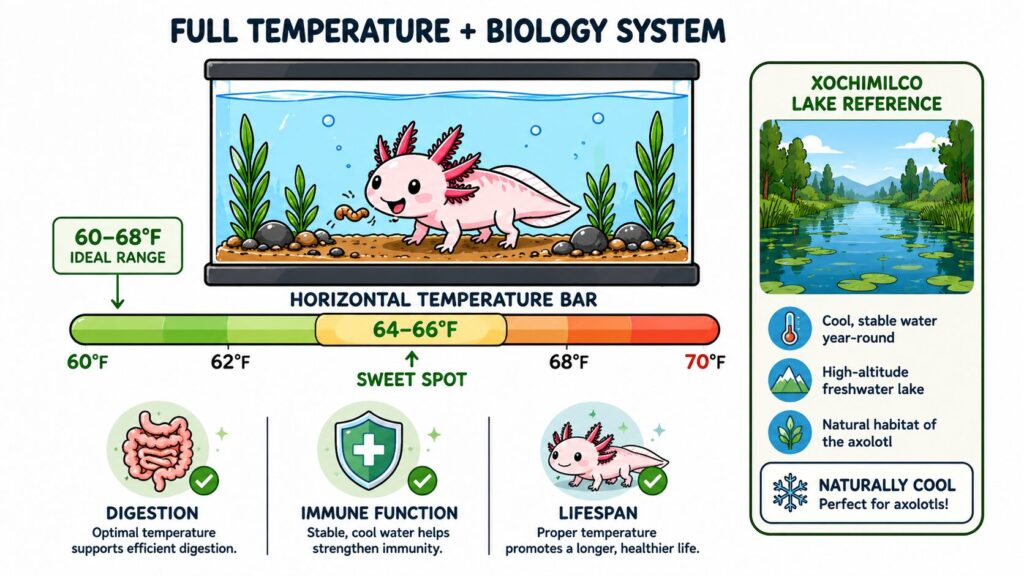
Axolotls need water temperatures between 60°F and 68°F (16°C and 20°C). This is the range in which they digest food efficiently, maintain healthy immune function, display normal behavior, and live their longest possible lives. Within this range, the sweet spot that most experienced keepers and researchers recommend is 64–66°F (18°C), which sits comfortably in the middle and avoids pushing against either end of the tolerance window.
This range is not arbitrary. It reflects the natural environment of wild axolotls in Lake Xochimilco near Mexico City, where water temperatures historically stayed cool year-round due to the high altitude of the lake — approximately 7,200 feet above sea level. According to data from the National Oceanic and Atmospheric Administration, high-altitude freshwater bodies in Central Mexico maintain water temperatures that align closely with the range axolotls have evolved to thrive in. The wild axolotl population is now critically endangered, as we cover in our article on whether axolotls are endangered, and the cool, clean water conditions of Lake Xochimilco — now heavily degraded — are central to why they struggle to survive there today.
What Happens If the Water Is Too Warm?
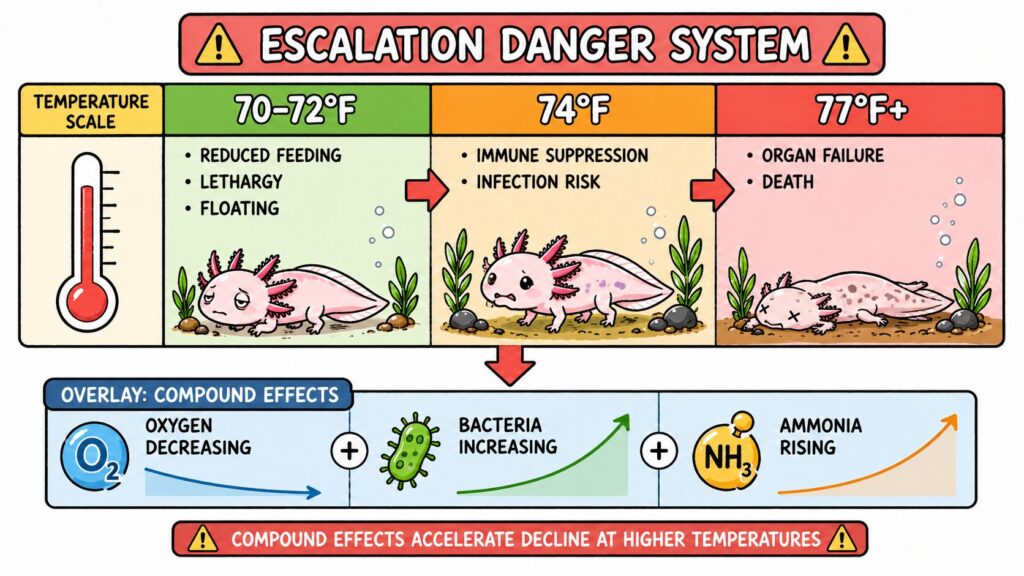
This is where many new owners run into serious trouble. Axolotls can tolerate temperatures up to about 72°F (22°C) for brief periods, but anything beyond that begins causing real harm, and the damage compounds the longer the elevated temperature persists.
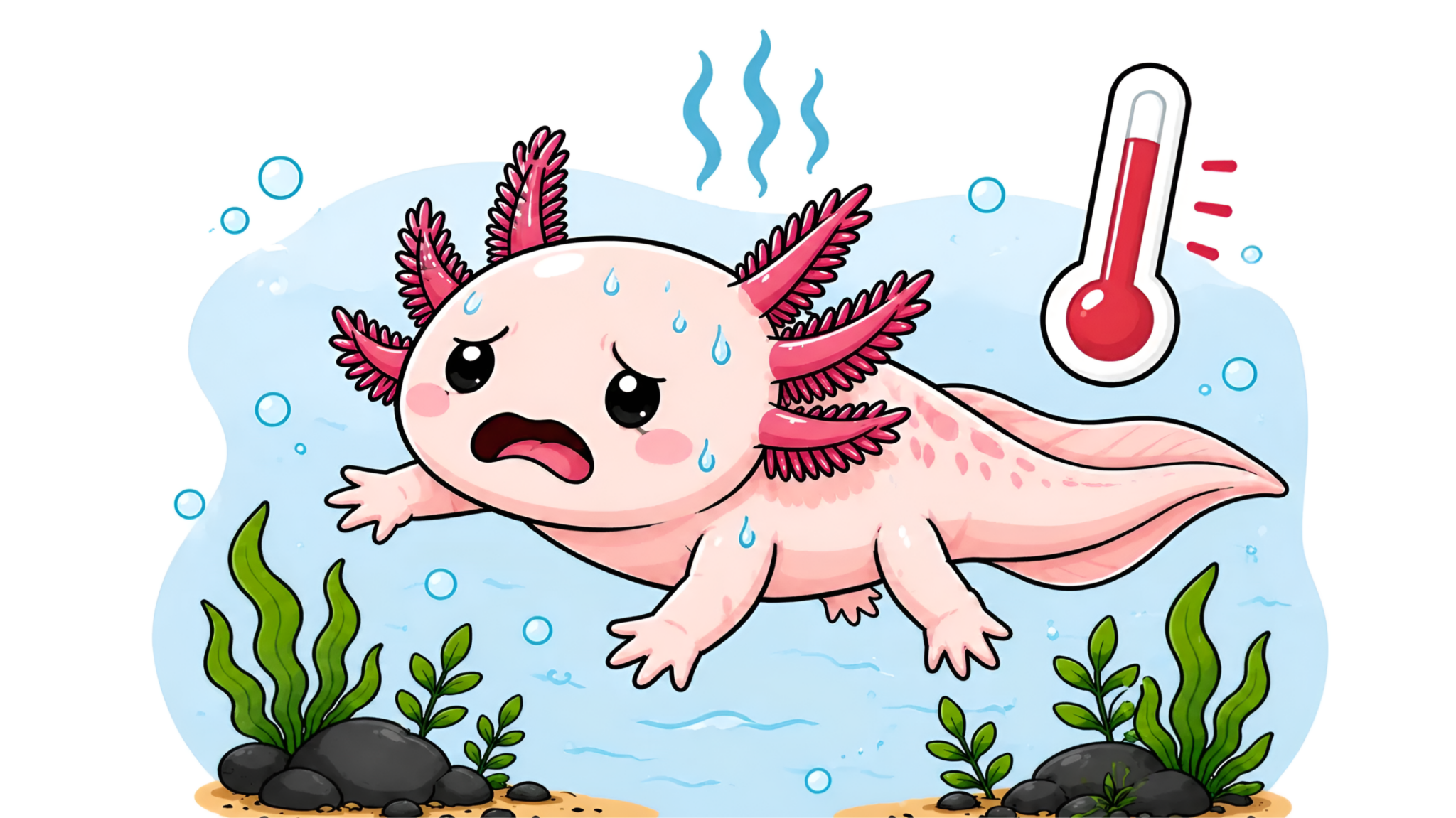
Between 70°F and 72°F, most axolotls become visibly stressed. They stop eating, become lethargic, and may float at the surface — a behavior that is often mistaken for illness when temperature is actually the cause. Their immune systems become suppressed at these temperatures, making them vulnerable to bacterial and fungal infections that a healthy, cool-water axolotl would normally resist. This is one of the reasons ammonia burn and other health issues tend to cluster during summer months — elevated temperature and degraded water quality often strike simultaneously, creating a compounding crisis.
Above 74°F (23°C), axolotls are in genuine danger. Organ function begins to fail, beneficial bacteria in the filter can become overwhelmed, and oxygen levels in the water drop as temperature rises — a double threat for an aquatic animal that relies on gilled respiration. At 77°F (25°C) and above, death can occur within days.
Research published through the Ambystoma Genetic Stock Center at the University of Kentucky — one of the world’s most important axolotl research facilities — documents temperature as one of the primary environmental variables affecting axolotl health, immune competence, and reproductive success. The data consistently reinforces that sustained warm temperatures cause significant physiological stress even before the animal shows outward symptoms.
What Happens If the Water Is Too Cold?
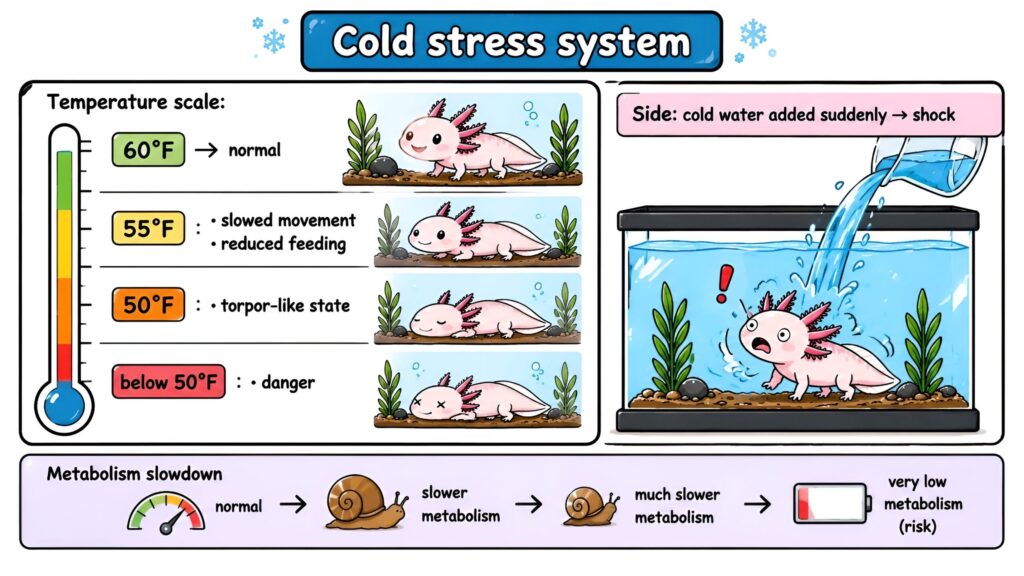
While the emphasis in axolotl care is almost always on keeping the tank cool enough, temperatures that are too cold also cause problems. Below 60°F (16°C), axolotls become sluggish, their metabolism slows significantly, and they may enter a torpor-like state where feeding effectively stops. Their immune systems can also be suppressed at very low temperatures, though the risks here are generally less acute than the risks of overheating.
Temperatures below 50°F (10°C) are genuinely dangerous and should never occur in a captive tank. Very brief cold exposure — for instance, adding tap water that is far too cold during a water change — can cause cold shock, which stresses the axolotl even if the temperature quickly returns to normal. Always temperature-match any water you add to the tank before introducing it. This is especially important during winter water changes when tap water can run very cold.
In practice, keeping an axolotl tank too cold is much rarer than keeping it too warm, since most homes are heated and ambient room temperature rarely drops below the axolotl’s lower tolerance threshold.
Why Temperature Is So Difficult to Manage for Most Owners
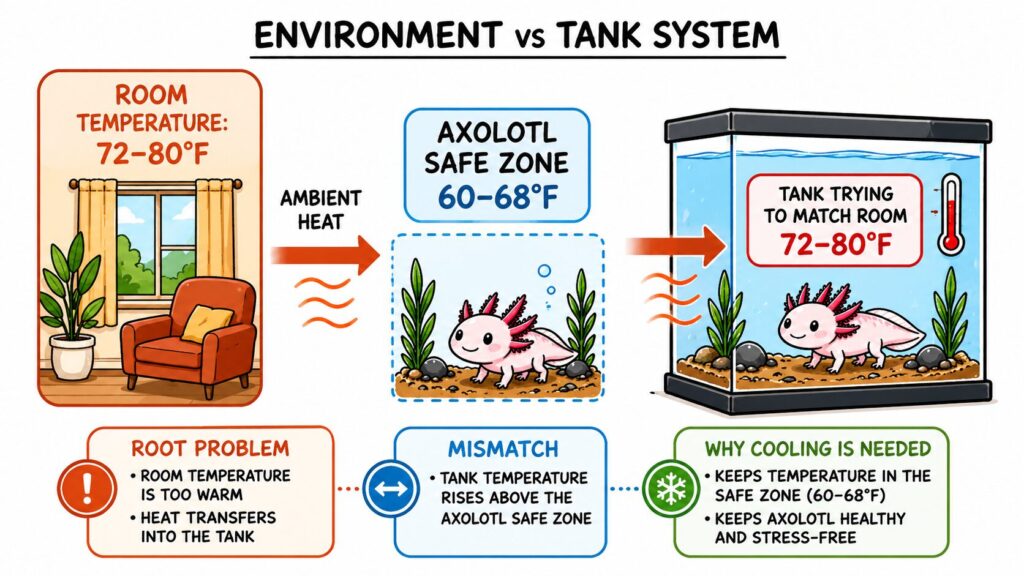
The challenge axolotl temperature presents is that most homes — particularly during spring and summer — maintain ambient temperatures well above 68°F. In many regions, room temperatures of 72–80°F or higher are normal, and a tank sitting in a warm room will naturally rise to match that ambient temperature regardless of how good the equipment is in every other respect.
This means that unlike most aquarium pets, where a heater maintains the tank at a comfortable temperature above room temperature, axolotl keepers often need to actively cool their tanks below room temperature. That requires either specific cooling equipment or very deliberate placement and management strategies.
How to Keep an Axolotl Tank Cool Enough
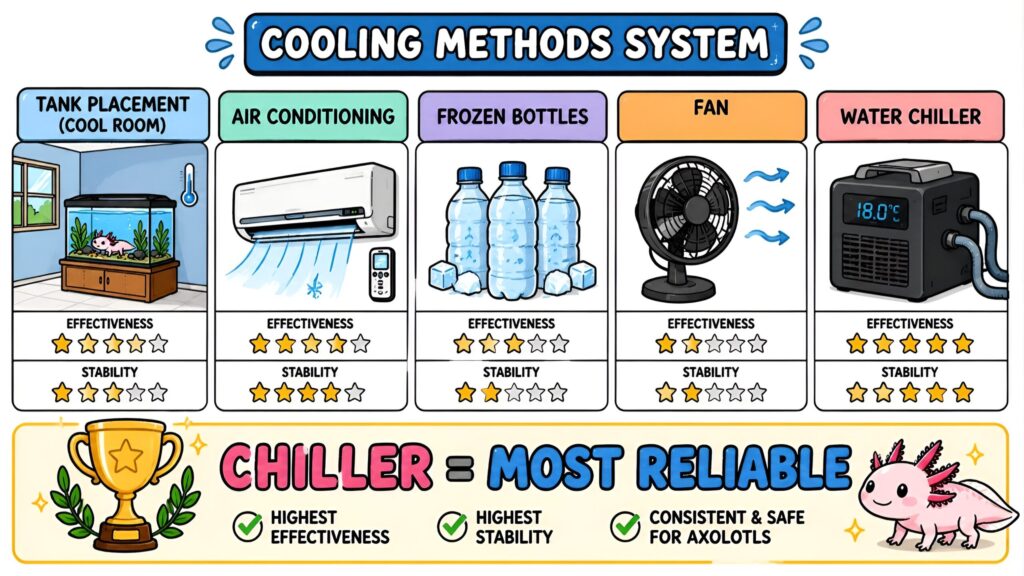
There are several approaches to managing axolotl temperature, ranging from free to expensive. The right solution depends on your climate, your home, and your budget.
Tank placement is the first and cheapest intervention. Place your axolotl tank in the coolest room in your home — often a basement, a north-facing room, or a room that is not in direct sunlight. Avoid placing the tank near windows that receive direct sun, near heating vents, or near any heat-generating equipment. A tank in a naturally cool basement can often stay within the acceptable range even in warm climates without additional cooling equipment.
Keeping the room cool with air conditioning during summer months is an effective approach if you have central air and are willing to set it to a lower temperature. However, this adds to energy costs and is not always practical for owners in very warm climates.
Floating frozen water bottles is a low-cost method that many keepers use as a temporary solution or as a supplement to other methods. Freezing clean water in sealed bottles and floating them in the tank lowers the temperature gradually. The downside is that it requires constant attention and replacement, creates temperature fluctuations as the bottles warm, and is not a reliable solution for sustained warm periods.
A cooling fan positioned to blow across the water surface causes evaporative cooling, which can reduce tank temperature by a few degrees. Our guide to the best axolotl cooling fans covers the most effective options. This method works best in low-humidity environments where evaporation occurs readily, and it does require you to top up the tank regularly to compensate for the water lost to evaporation.
An aquarium water chiller is the most reliable and consistent solution for managing axolotl temperature, particularly in warm climates or during summer months. A chiller actively cools the water to a set temperature regardless of ambient room temperature, functioning essentially like a small refrigerator for your tank. They are the most expensive option upfront, but they are also the only method that gives you complete control and requires minimal daily attention. Our guide to the best axolotl water chillers covers the leading options and what to look for when choosing one. For owners in warm climates, a chiller is not a luxury — it is effectively essential equipment.
Monitoring Temperature Accurately
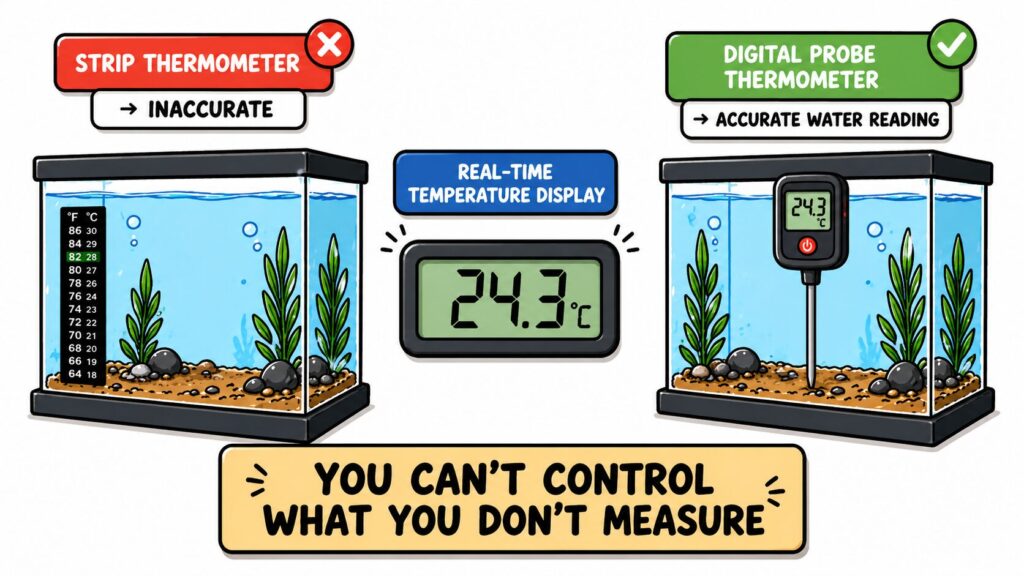
You cannot manage what you cannot measure, and temperature monitoring is something many new owners do inadequately. The adhesive strip thermometers that come with many beginner tank kits are notoriously inaccurate — they measure the exterior glass temperature, not the actual water temperature, and can be off by several degrees in either direction. This matters enormously when your safe window is only 8°F wide.
A reliable digital thermometer with a submersible probe is the right tool. It gives you an accurate, real-time reading of the actual water temperature so you always know exactly where your tank stands. Our guide to the best axolotl tank thermometers covers the most accurate options available. Check the temperature at least once daily, and more frequently during heat waves or any time you suspect temperature may be fluctuating.
Temperature and Feeding Behavior

One of the first signs many owners notice when their tank is too warm is that their axolotl stops eating. Temperature has a direct effect on axolotl metabolism and appetite — at the upper edge of their tolerance or above, they simply do not want to eat. This can persist for days after the temperature returns to normal while the animal recovers.
If your axolotl suddenly refuses food that it was previously eating well, temperature should be the first thing you check before assuming illness. An axolotl that is offered nightcrawlers, pellets, or bloodworms and shows no interest whatsoever — particularly if it is also lethargic or floating — is almost certainly experiencing temperature stress. Our article on whether axolotls can get fat also touches on how feeding consistency is tied to body condition and overall health.
Temperature and Water Quality
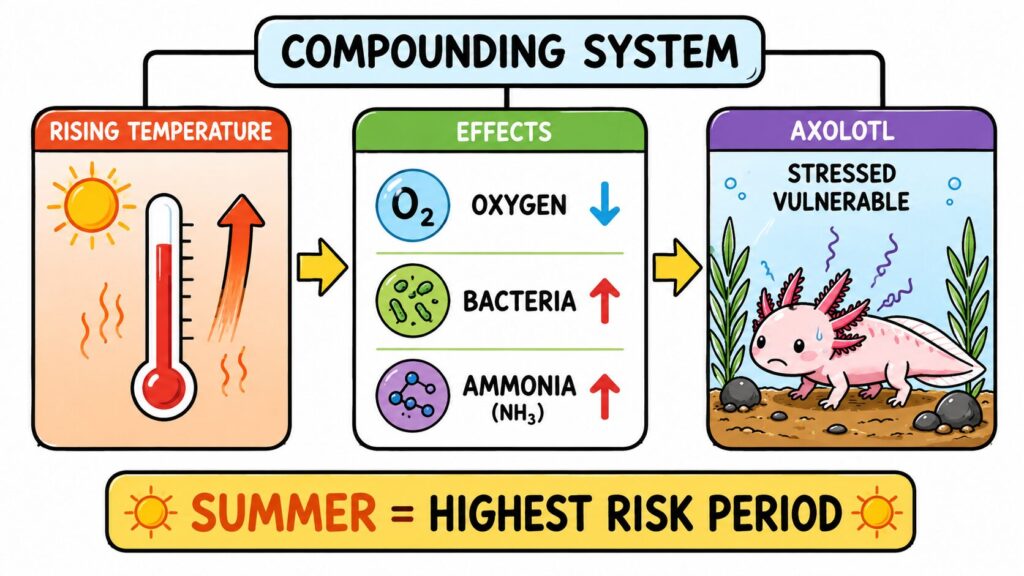
Temperature and water quality are deeply interconnected in an axolotl tank, and owners who understand this connection are better equipped to prevent compounding problems. Warm water holds less dissolved oxygen than cold water, which means a tank that tips above 72°F is simultaneously delivering less oxygen to your axolotl’s gills. Warm water also accelerates the growth of harmful bacteria and the rate at which ammonia accumulates, making water quality deteriorate faster than it would in cooler conditions.
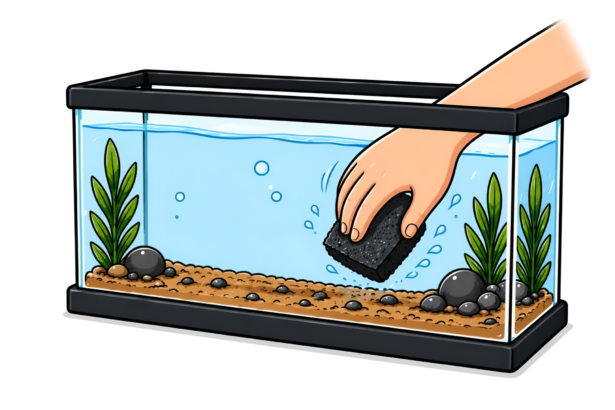
This is why summer is consistently the most dangerous season for axolotls in captivity. Temperature rises, oxygen drops, ammonia spikes faster, and the axolotl’s immune system is already suppressed — all at the same time. Staying on top of your water testing with a quality water test kit and performing more frequent water changes with properly temperature-matched, dechlorinated water during warm months is essential. Our full guide on how to clean an axolotl tank walks through the water change process in detail.
Temperature and the Nitrogen Cycle
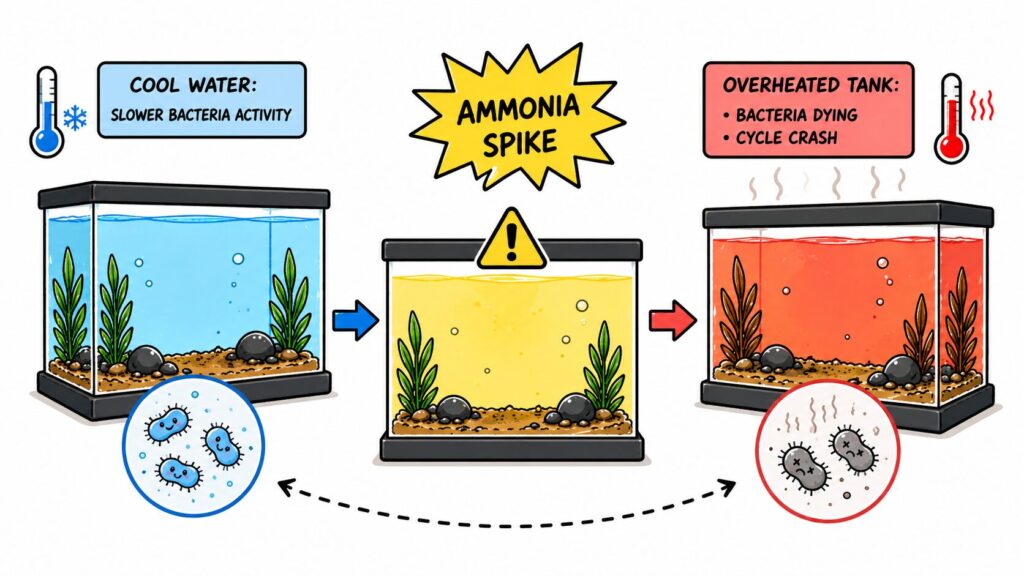
The beneficial bacteria responsible for processing ammonia and nitrite in your tank — the foundation of the nitrogen cycle — also have a temperature preference. They function most efficiently in moderate temperatures and, while they can function in cooler axolotl-appropriate water, their activity slows somewhat compared to warmer setups. This means axolotl tanks may cycle slightly more slowly than tropical tanks, and it reinforces the value of quality cycling bacteria supplements when establishing a new tank. Conversely, if a tank overheats dramatically, the heat can stress or kill beneficial bacteria, crashing the cycle at exactly the moment when the axolotl is already under significant physiological stress.
Temperature and Breeding
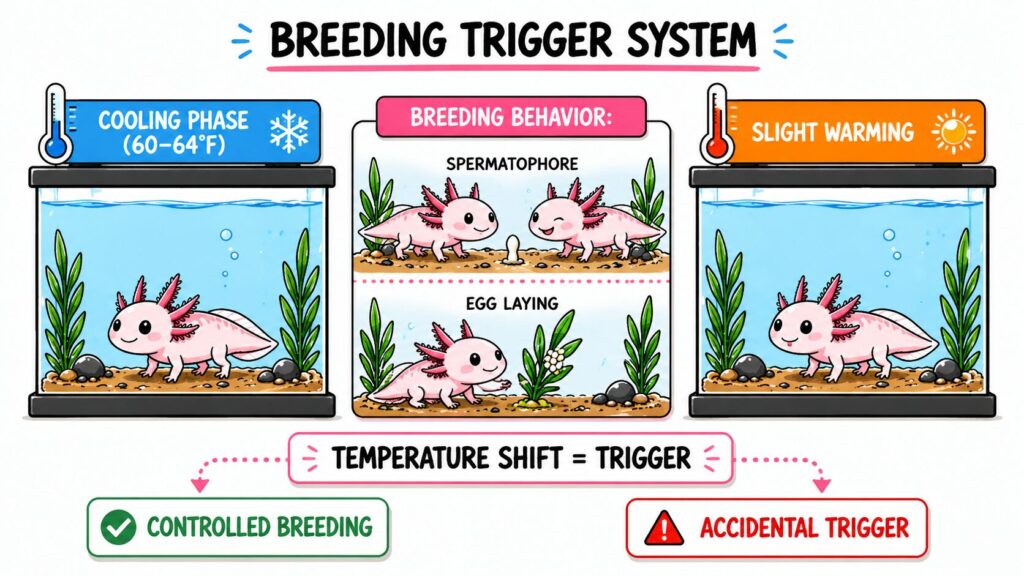
Water temperature plays a direct role in axolotl reproduction. In the wild, axolotls breed in late winter and early spring when water temperatures are at their lowest following the cold season. In captivity, breeders often simulate this by deliberately cooling the water over a period of weeks — dropping it toward the lower end of the acceptable range around 60–64°F — and then gradually allowing it to rise slightly. This temperature shift acts as a breeding trigger.
If you are not intending to breed your axolotls, this is worth knowing because unintentional temperature fluctuations during seasonal changes can inadvertently trigger mating behavior. Our articles on how axolotls mate and axolotl breeding cover what to expect and how to manage this if it happens unexpectedly.
Temperature and Axolotl Lifespan
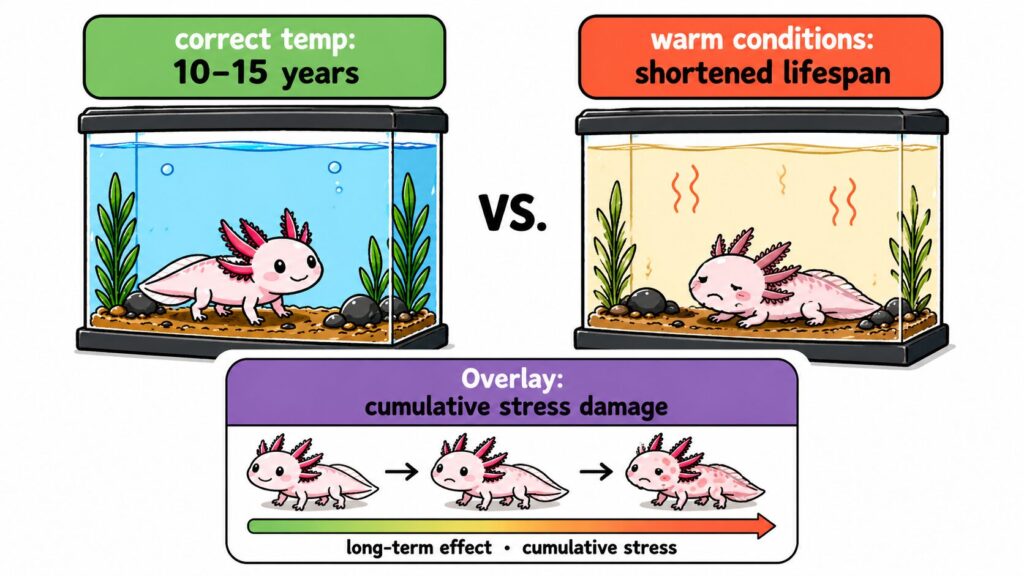
Getting temperature right is one of the most significant things you can do to maximize how long your axolotl lives. Axolotls kept consistently within the ideal temperature range — 60–68°F — regularly live 10–15 years or longer in captivity. Axolotls kept in chronically warm conditions rarely reach their full lifespan potential, as the ongoing physiological stress of elevated temperatures takes a cumulative toll on organ function and immune health. Our article on axolotl lifespan covers all the factors that influence longevity, but temperature sits at the top of that list.
Frequently Asked Questions
Can axolotls survive at room temperature? It depends entirely on your room temperature. If your home stays consistently at or below 68°F, room temperature may be fine. If your home is warmer than that — which is the case for most people, particularly in spring and summer — room temperature is too warm and active cooling is needed.
What is the maximum temperature an axolotl can survive? Most axolotls can survive brief exposure to temperatures up to around 74°F, but this should never be a target or a baseline. Anything above 72°F causes stress, and above 75°F is genuinely life-threatening, particularly if sustained for more than a day or two.
Do I need a heater for my axolotl tank? In most home environments, no. Most homes are warm enough that an axolotl tank does not need supplemental heating. In very cold environments where room temperatures drop significantly in winter, a small heater set to no more than 65°F can prevent the tank from getting too cold, but this is rarely necessary.
How quickly can temperature kill an axolotl? At temperatures above 77°F, an axolotl can deteriorate rapidly and may die within two to three days. Temperature emergencies need to be addressed immediately — floating frozen water bottles while arranging a more permanent cooling solution can buy critical time.
Does tank size affect temperature stability? Yes, significantly. Larger volumes of water take longer to heat up and cool down, which means they buffer against temperature fluctuations more effectively than small tanks. This is another reason why the 20-gallon minimum — and ideally 40 gallons — for axolotls is not just about space but about water stability. See our guide to the best axolotl tanks for size recommendations.
Final Thoughts on What Temperature Axolotls Need
What temperature do axolotls need? Between 60°F and 68°F, with 64–66°F being the ideal target. Everything else in axolotl care — feeding, water quality, filtration, tank setup — becomes harder to get right if temperature is wrong, because a thermally stressed axolotl is a compromised axolotl in every measurable way. Invest in accurate monitoring, understand your cooling options, and treat temperature management as the foundation it truly is.
Temperature is just one piece of the puzzle, and every piece matters. For everything else your axolotl needs — from chillers and thermometers to food, filters, and beyond — the Herdurbia Best Axolotl Products hub has you covered, with every product chosen because it actually makes a difference to your axolotl’s health and happiness.