
Origin And History
Most breeds with centuries of history behind them arrive at their modern form gradually, shaped by generations of anonymous selection across wide geographies. The Alaskan Klee Kai arrived differently. It was created deliberately, by one woman, in one place, beginning with one small dog that stopped traffic wherever it went.
In the early 1970s, Linda Spurlin was living in Wasilla, Alaska, when she visited relatives in Oklahoma and encountered one of their farm dogs. The dog was a small, undersized Alaskan Husky weighing just 17 pounds, and the reaction it produced in everyone who saw it was immediate and consistent. People flocked to it. Spurlin asked to take the dog home to Alaska, her relatives agreed, and from that point forward she knew she had a problem to solve. She needed to figure out how to replicate what she had stumbled across.
Spurlin named the little dog Curious, and that name shaped everything that came after. Everywhere Curious went, people gathered around her, stopping to ask what she was, leaning out of restaurant windows to stare, crowding around Spurlin’s vehicle at every stop. The appeal was immediate and universal. A dog that looked like a Husky but came in a size that made it accessible as a genuine companion animal rather than a working dog was something nobody had produced before, and Spurlin set about producing it intentionally.
Working from the early 1970s through 1988, Spurlin carefully selected dogs for appearance and soundness through a meticulous breeding program. The foundation stock included Alaskan Huskies and Siberian Huskies as the primary base, with American Eskimo Dogs and Schipperkes introduced to achieve the smaller size without sacrificing the spitz-type characteristics, the masked face, the erect ears, the double coat, and the overall Husky aesthetic that made Curious so compelling. The result was a dog that came in three sizes, toy, miniature, and standard, all carrying the unmistakable appearance of a miniature northern sled dog.
In 1988, Spurlin released the first dogs to buyers outside her own program. She originally called the breed simply the Klee Kai, a name derived from Athabaskan words meaning “little dog”. In 1995, the name was updated to Alaskan Klee Kai to reflect the breed’s place of origin, and in the same year it was accepted into the American Rare Breed Association. The United Kennel Club recognized the breed on January 1, 1997. In 2020, the American Kennel Club added the Alaskan Klee Kai to its Foundation Stock Service, representing a step toward eventual full recognition.
The breed remains genuinely rare. Litter sizes are small, typically one to five puppies, reputable breeders maintain waiting lists, and the total global population is modest. That rarity has not diminished the breed’s appeal. If anything, it has intensified it.
Breed Overview
| Trait | Details |
|---|---|
| Breed Group | Companion / Northern Breed |
| Size Varieties | Toy, Miniature, Standard |
| Height | Toy under 13 in / Miniature 13–15 in / Standard 15–17.5 in |
| Weight | 5–22 pounds depending on size |
| Lifespan | 13–16 years |
| Coat | Double coat, medium length |
| Colors | Black and white, grey and white, red and white |
| Temperament | Intelligent, energetic, loyal, reserved with strangers, vocal |
| UKC Recognition | 1997 |
Appearance And Size
The Alaskan Klee Kai’s appearance is its most immediately compelling quality, and that is by deliberate design. Everything about how this dog looks was selected to replicate the Alaskan Husky at a fraction of the size, and the result is a dog that stops people in their tracks the same way Curious stopped people in Oklahoma half a century ago.
The breed comes in three size varieties. Toy Klee Kais stand under 13 inches at the shoulder and weigh as little as 5 pounds. Miniature Klee Kais stand between 13 and 15 inches and weigh up to around 15 pounds. Standard Klee Kais stand between 15 and 17.5 inches and weigh up to 22 pounds. Any dog standing over 17.5 inches is not considered within the breed standard. The three size varieties carry the same structural proportions and the same coat and color characteristics, differing only in scale.
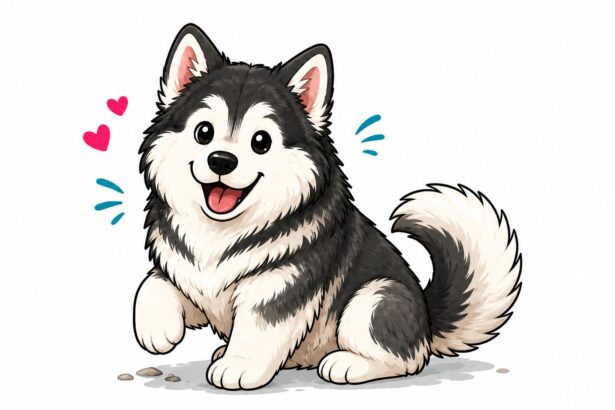
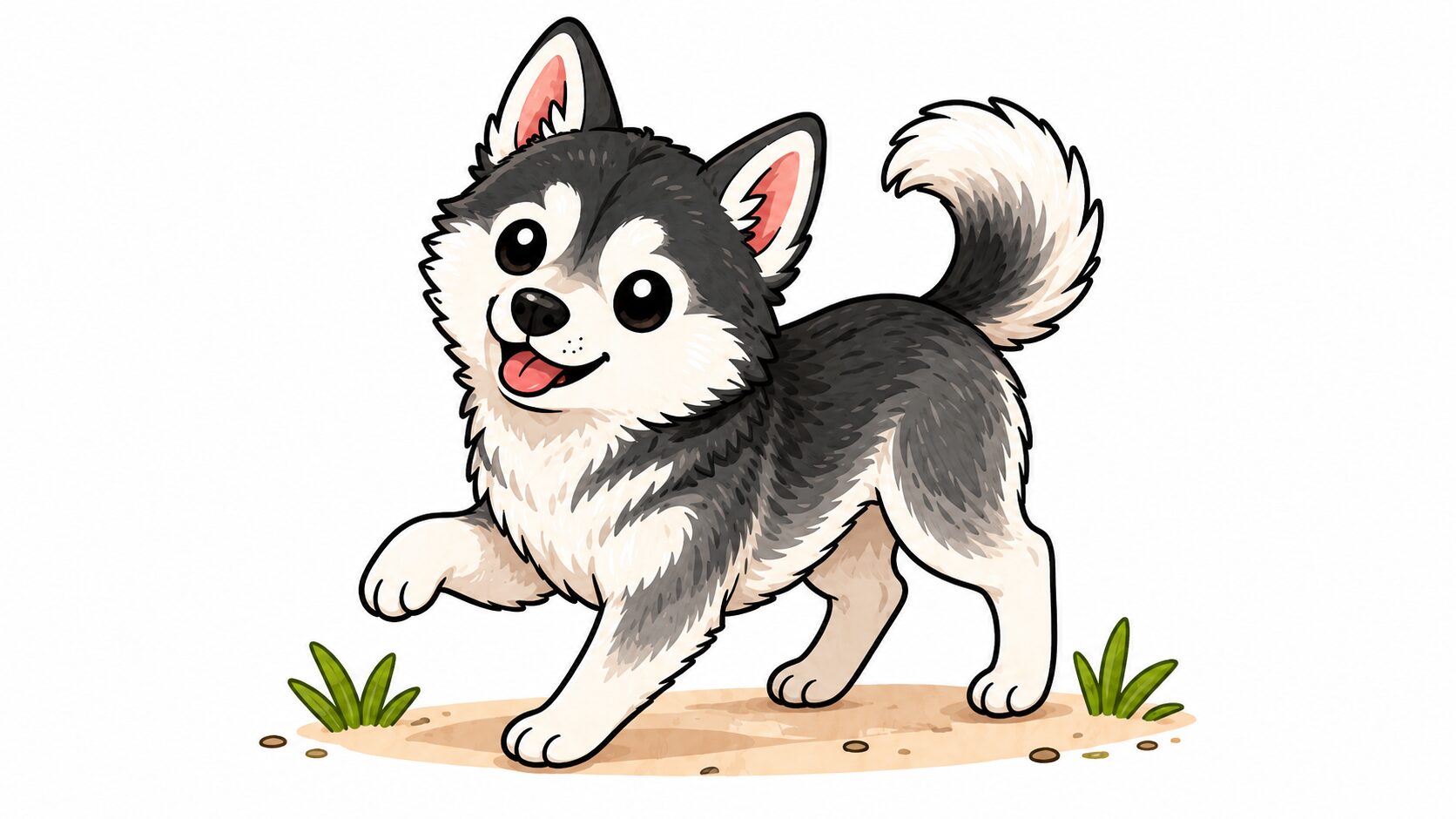
The head is wedge-shaped with a striking masked face, the most visually distinctive feature of the breed. The mask pattern, where a contrasting color frames the eyes and muzzle against the surrounding head color, gives the Klee Kai an expressive, alert face that is immediately recognizable and deeply appealing. The ears are erect and triangular, the eyes are almond-shaped and can be brown, blue, or one of each, and the overall expression is keen and intelligent.
The double coat is dense and weather-resistant, with a soft undercoat beneath a straight outer coat of medium length. Coloring is strictly defined in the breed standard. Black and white, grey and white, and red and white are the three accepted color combinations, always with the characteristic mask. Solid colors disqualify a dog from the show ring and from formal breeding programs. The tail curls over the back in the classic spitz fashion, completing a silhouette that is, in miniature, nearly identical to its Alaskan Husky ancestor.
Housing And Living Requirements
The Alaskan Klee Kai adapts to a wider range of living situations than many working-type breeds, and its smaller size makes it more genuinely apartment-compatible than most northern breeds, provided its exercise and mental stimulation needs are consistently met. That last part of the sentence is doing significant work. An Alaskan Klee Kai that is not getting adequate exercise and engagement is not an easy apartment dog. One that is being properly exercised and stimulated daily is a considerably more manageable indoor companion.
A home with a securely fenced yard is the preferred setup and provides the most practical daily management. The emphasis on secure is important. The Alaskan Klee Kai is intelligent, curious, and has an established reputation as an escape artist. A fence that has gaps, weaknesses, or insufficient height is a fence that a motivated Klee Kai will eventually compromise. This breed should not be trusted in any outdoor space that is not genuinely secure.
Inside the home, the Alaskan Klee Kai is an engaged and attentive housemate that positions itself where it can observe activity and responds noticeably to changes in household routine and mood. It is a people-oriented breed that forms deep bonds with its family and does not handle long hours of isolation well. Separation anxiety is a recognized tendency in the breed, and leaving a Klee Kai alone for extended periods consistently produces a dog that becomes vocal, anxious, and sometimes destructive.
The breed handles cold weather very well thanks to its northern heritage and double coat. In hot climates, shade, fresh water, and scheduling exercise during cooler parts of the day are important practical considerations.
Exercise Requirements
The Alaskan Klee Kai is an energetic, active breed that needs between 45 and 60 minutes of genuine daily exercise to stay physically healthy and mentally settled. Its small to medium size makes the absolute volume of exercise more manageable than with larger working breeds, but the need for that exercise is no less real. A Klee Kai that is not getting adequate daily activity will find ways to express that frustration, typically through vocalization, destructive behavior, and an anxious restlessness that makes it difficult to live with.
Daily walks combined with active play sessions suit the breed well. The Alaskan Klee Kai excels at agility, where its compact size, quick reflexes, and intelligence combine into a genuinely impressive competitive package. Many Klee Kai owners discover that agility training is one of the most effective outlets for the breed’s energy and mental engagement needs simultaneously. A set of dog agility equipment is worth considering for owners with outdoor space.
Mental stimulation is equally important as physical exercise and should not be treated as optional. The Alaskan Klee Kai’s intelligence means it thinks constantly, and a dog that has nothing to think about will manufacture problems. Puzzle toys and enrichment activities that challenge the Klee Kai’s problem-solving ability provide the mental exercise that physical activity alone cannot fully supply.
The breed is notably self-grooming and fastidious in its habits, which means it keeps itself cleaner than most dogs, but that instinct for cleanliness does not reduce the exercise requirement.
Grooming Requirements
The Alaskan Klee Kai has a reputation as something of a self-grooming breed, and that reputation is reasonably accurate. Like cats, Klee Kais tend to keep themselves clean and maintain their coats with a fastidiousness that reduces the grooming burden compared to many double-coated northern breeds. That said, regular brushing is still necessary and non-negotiable.
Under normal conditions, brushing once a week with a pin brush removes loose hair, prevents any tendency toward matting particularly behind the ears and around the collar area, and keeps the coat healthy and manageable. During the two seasonal coat blows in spring and fall, when the undercoat releases heavily, daily brushing becomes necessary to stay ahead of the volume of shedding. These shedding seasons are significant and should be planned for. Having a good deshedding brush and accepting that hair will be a feature of the household during these periods is the realistic expectation.
Bathing every two to three months is sufficient under normal circumstances. The Klee Kai’s self-grooming habits mean the coat stays relatively clean, and bathing more frequently than necessary is not needed and can dry out the skin and coat. As with all double-coated northern breeds, the coat should never be shaved, as it provides both insulation from cold and protection from sun and heat.
Standard maintenance rounds out the routine. Dental care is particularly important for this breed, which has a documented tendency toward dental issues. Brushing teeth several times a week from puppyhood is the most effective preventive measure. Ears should be checked and cleaned weekly. Nails should be trimmed monthly.
Diet And Nutrition
The Alaskan Klee Kai’s small size means its daily caloric requirement is considerably lower than most working breeds, and overfeeding is a real risk for owners who are accustomed to feeding larger dogs. A high-quality food appropriate for the dog’s size, age, and activity level is the right foundation, with a named protein source as the first ingredient and a formula calibrated for small to medium breeds.
Puppies do best on three to four small meals per day, transitioning to two meals as adults. The small size of the toy and miniature varieties in particular means their blood sugar can drop quickly between meals, and regular feeding schedules are more important for them than for larger breeds. Most adult Klee Kais do well on two measured meals per day.
Portion control matters. The Alaskan Klee Kai is an active breed that is not naturally prone to obesity when getting adequate exercise, but a dog that is under-exercised and over-fed will gain weight, and extra weight on a small breed accelerates joint wear and creates health complications. Monitoring body condition rather than adhering to a fixed daily amount regardless of actual activity level is the most reliable approach.
Training treats are effective motivators during sessions but should be kept small and counted into the daily calorie total given the breed’s small size and correspondingly modest daily caloric budget.
Compatibility
The Alaskan Klee Kai is a family-devoted breed that forms deep bonds with the people it lives with and expresses that bond through constant proximity, attentiveness, and an emotional responsiveness that owners find genuinely compelling. It is not, however, a universally friendly dog, and the distinction between its warmth within its family circle and its reserve outside it is important to understand before bringing one home.
With strangers, the Klee Kai is typically cautious and reserved, sometimes to the point of appearing shy. This is not aggression. It is the watchful wariness of a breed that takes its time assessing unfamiliar people before deciding they are trustworthy. Early and consistent socialization from puppyhood is the most effective way to ensure that natural reserve does not develop into anxiety or reactivity. A well-socialized Klee Kai learns to navigate unfamiliar situations with composure. A poorly socialized one can become genuinely difficult in public settings.
With children, the Klee Kai does best with older, considerate children who understand how to interact respectfully with a smaller dog. Its small size makes it physically vulnerable to rough handling, and its sensitive nature means it responds poorly to chaotic, loud, or unpredictable interactions. Very young children and toy-sized Klee Kais are a combination that requires careful, consistent supervision.
With other dogs, particularly those it has been raised alongside, the Klee Kai generally coexists well. With cats and smaller pets, prey drive can be present, and introductions should be managed carefully and supervised consistently until the household dynamic is established.
A dog crate is a useful management tool during puppyhood and the settling-in period, giving the Klee Kai a secure space of its own and helping prevent the separation anxiety that this breed is prone to developing when boundaries and routines are not clearly established early.
Behavior And Temperament
The Alaskan Klee Kai is vocal, and that is one of the first things new owners need to make peace with. Like its Husky ancestors, it communicates through a wide range of sounds including howls, yodels, barks, and a selection of conversational noises that owners either find charming or deeply inconvenient depending on their living situation. It is not typically a dog that barks constantly without reason, but it has opinions and it expresses them, and those expressions carry volume disproportionate to the dog’s size.
Beyond the vocality, the Klee Kai is a highly intelligent, emotionally perceptive, and deeply people-oriented companion. It reads emotional states within its household with remarkable accuracy and responds to shifts in mood, routine, and dynamic in ways that owners find both impressive and occasionally inconvenient. A stressed household produces a stressed Klee Kai. A calm, consistent household produces a settled, manageable one.
The breed has a strong tendency toward bonding to specific people within the household, often showing the strongest attachment to one primary person while still being warm and engaged with the rest of the family. This attachment drives the separation anxiety tendency. A Klee Kai whose primary person is consistently absent for long periods is not a happy dog, and that unhappiness expresses itself audibly and destructively.
The Alaskan Klee Kai is not aggressive by nature, but it is alert and watchful, which makes it an effective watchdog despite its small size. It will notice and announce anything that seems out of the ordinary, which many owners find reassuring.
Training And Handling
The Alaskan Klee Kai is an intelligent breed that picks up new skills quickly and genuinely enjoys the engagement of training when it is approached correctly. It is not, however, a dog that complies simply because compliance is requested. It has an independent streak, a self-confidence that borders on stubbornness at times, and a sensitivity to tone and handling that means harsh corrections produce withdrawal and resentment rather than compliance.
Positive reinforcement is the approach that works without exception. The Klee Kai responds to reward, to enthusiasm from its handler, and to training that feels engaging and purposeful rather than repetitive and mechanical. Reward-based methods that make the dog feel like a participant rather than a subject produce the most consistent and durable results. Short, varied sessions that keep the dog’s interest are considerably more effective than long drills that test its patience.
Early socialization is critical and should begin as soon as the puppy has completed its initial vaccination course. The Klee Kai’s natural reserve around strangers is a manageable quality in a well-socialized dog and a significant challenge in an under-socialized one. Exposing a young Klee Kai to a wide range of people, environments, sounds, and situations during the critical developmental window produces an adult dog that navigates the world with curiosity rather than anxiety.
The breed excels at agility, obedience, and trick training, and channeling its intelligence and energy into structured activities is one of the most effective ways to meet both its physical and mental needs simultaneously. Many owners find that training the Klee Kai is one of the most rewarding aspects of owning the breed, precisely because the dog’s intelligence makes the progress visible and rapid when the approach is right.
Health And Lifespan
The Alaskan Klee Kai is a generally healthy breed with a notably long lifespan for a dog of its size. The typical range is 13 to 16 years, and well-cared-for individuals can reach beyond that range. The breed’s small genetic pool, a consequence of having been founded on a limited number of individuals, is the most significant ongoing health consideration, and responsible breeders screen actively for hereditary conditions to maintain the health of the lines they produce.
Patellar Luxation A condition in which the kneecap slips out of its normal position, patellar luxation is common in smaller breeds and is among the most documented health concerns in the Alaskan Klee Kai. Mild cases are managed with lifestyle adjustments, joint supplements, and medication. More significant cases may require surgery. Reputable breeders screen their breeding stock for this condition.
Hypothyroidism An underactive thyroid is a recognized hereditary concern in the breed. Symptoms include weight gain, lethargy, and changes to skin and coat condition. It is diagnosed through blood testing and managed with daily hormone supplementation, which typically restores normal function. It can affect coat and skin health significantly if left unmanaged.
Eye Conditions Juvenile cataracts and corneal dystrophy have been documented in the breed. Regular veterinary eye examinations allow for early detection and appropriate management. Responsible breeders conduct eye screening on their breeding dogs.
Cardiac Issues Heart conditions including patent ductus arteriosus have been identified in some lines. Routine cardiac evaluation during regular veterinary check-ups allows for early detection.
Liver Shunts Portosystemic shunts, where blood bypasses the liver rather than flowing through it for filtering, have been documented in the breed. Signs can include stunted growth, poor condition, and neurological symptoms in young dogs. Awareness of the condition and prompt veterinary investigation of any concerning symptoms is important.
Starting your dog on joint supplements in consultation with your vet is worth considering as the dog reaches middle age, particularly given the breed’s patellar luxation predisposition. Routine preventive care including regular vet check-ups, consistent dental hygiene, up-to-date vaccinations, and parasite prevention provides the foundation for reaching the breed’s full lifespan potential.
Price And Availability
The Alaskan Klee Kai is a rare breed with a limited number of reputable breeders and small litter sizes, and those two facts combine to create a market where demand consistently outpaces supply and waiting lists are the norm rather than the exception. From a reputable breeder, expect to pay between $1,500 and $3,000 for a puppy, with variation depending on the breeder’s reputation, the size variety of the dog, the coloring and eye color of the individual puppy, and geographical location. Toy variety dogs and those with blue eyes tend to command prices at the upper end of the range.
The Alaskan Klee Kai Association of America maintains a list of breeders who have signed their code of ethics and is the most reliable starting point for finding a reputable source. Responsible breeders will conduct health screenings for patellar luxation, eye conditions, and cardiac issues, will provide health guarantees, and will require prospective buyers to complete questionnaires to ensure the breed is a suitable match for the buyer’s lifestyle.
Any breeder offering Alaskan Klee Kai puppies below $1,000 or without health screening documentation should be approached with serious skepticism. The breed’s rarity makes it a target for misrepresentation, and dogs sold as Klee Kais by unverified sources may be mixed-breed animals or puppies from health-compromised lines.
Adoption is possible and worth exploring. Breed-specific rescue organizations and northern breed rescues occasionally have Klee Kais available, typically at adoption fees of $50 to $300 that often include prior veterinary care. The Alaskan Klee Kai Association of America can direct interested adopters to appropriate resources.
Annual ownership costs beyond the purchase price are relatively modest compared to larger breeds. Food for a small to medium dog runs $30 to $60 per month. Routine veterinary care, pet insurance, which is worth considering given the breed’s hereditary predispositions, and standard supplies add to the total. Professional grooming is not a regular requirement given the breed’s self-grooming habits and manageable coat.
Conclusion
The Alaskan Klee Kai is the answer to a question that Linda Spurlin asked after watching strangers crowd around a 17-pound Husky in a parking lot in Oklahoma. What if you could have all of that, the intelligence, the personality, the northern spirit, the stunning face, in a size that fit in a modern home? Fifty years later the answer is clear and the demand has never stopped growing. This is a breed for owners who are genuinely engaged, who meet the exercise and mental stimulation needs consistently, who establish solid routines and early socialization, and who are prepared to be followed around the house by a small, vocal, deeply loyal dog that considers itself an equal partner in the household. Get properly set up before your Klee Kai comes home. Our Best Dog Products page covers everything you need for intelligent, active small-to-medium breeds that think big and expect the best.