
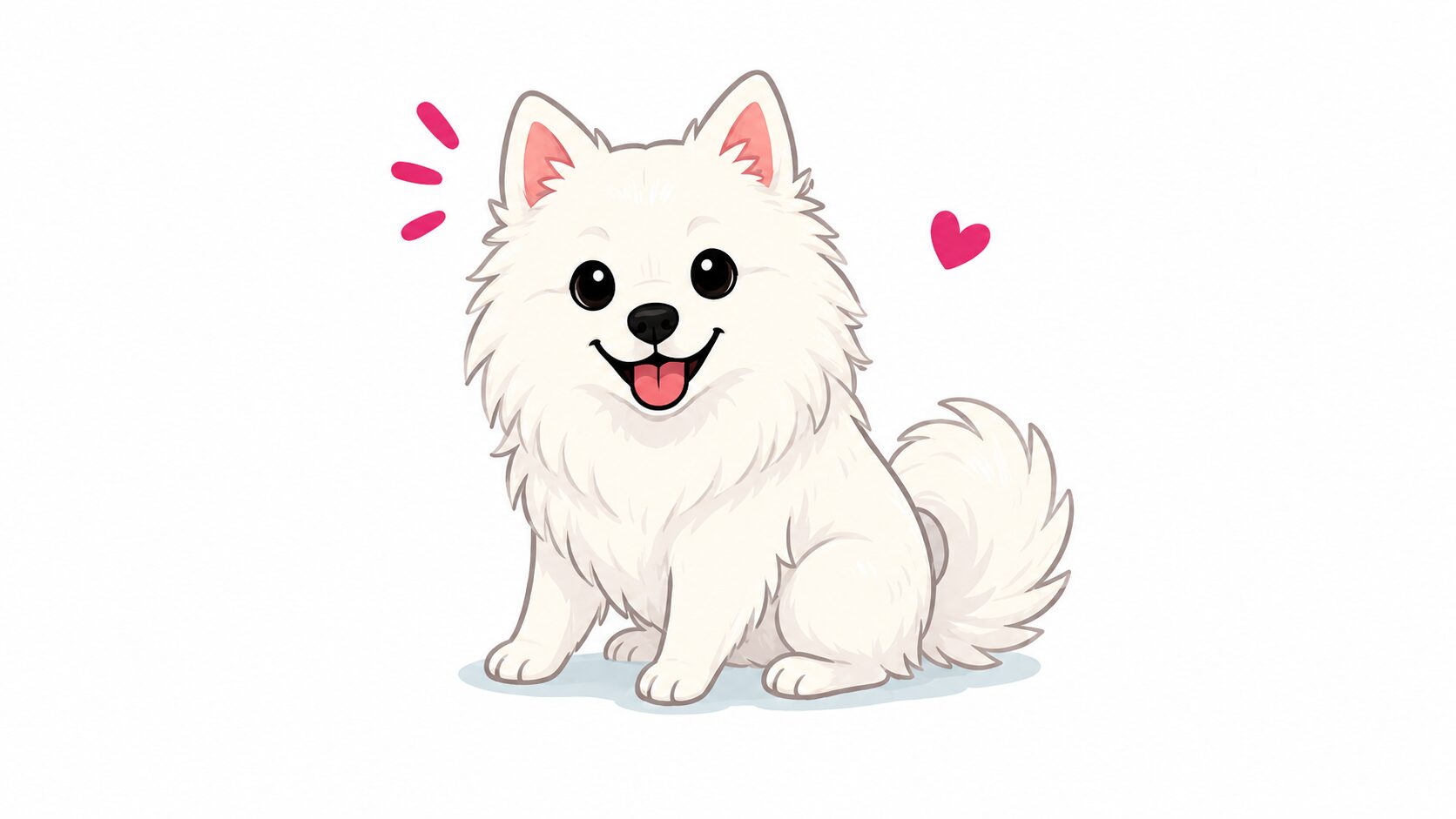
Origin And History
The American Eskimo Dog has a name that is almost entirely misleading. It did not come from Alaska. It has no historical connection to the Eskimo or Inuit peoples. It is not a sled dog. It is, in fact, a German Spitz whose name was changed during the First World War because of anti-German sentiment so intense that anything associated with Germany, including the dogs German immigrants had brought with them to America, became socially unacceptable.
The actual history of the Eskie, as the breed is affectionately called, begins in Germany, where the Spitz family of dogs had been developed over thousands of years as versatile farm workers, watchdogs, herding dogs, and family companions. The word Spitz comes from the German for sharp point, a reference to the characteristic erect, pointed ears that all Spitz breeds share when alert. German families who immigrated to the United States in the 19th and early 20th centuries brought their Spitz dogs with them, particularly the white variety, which was consistently preferred over other colorings by American owners even before white became the breed’s defining characteristic.
These dogs, descended primarily from the German Spitz with contributions from the Keeshond, white Pomeranian, and Volpino Italiano, were known in America as German Spitz until the atmosphere around World War I made that name untenable. The United Kennel Club registered the breed in 1913 under the name Spitz, and by 1924 the name had been changed to American Spitz in response to anti-German sentiment. By 1925 it had become the American Eskimo Spitz, and by 1926 the American Eskimo Dog. The curious final name came from Mr. and Mrs. Hall, who bred Spitz dogs under the kennel name American Eskimo Kennels, and whose kennel name was absorbed into the breed’s identity during the naming transition.
The breed gained its first significant moment of national fame not in a show ring but in a circus tent. In the 1930s, a performing dog named Pierre, described as a German Spitz, became famous as a tightrope walker with the Barnum and Bailey Circus, thrilling crowds with a combination of athleticism, intelligence, and showy white appearance that made the Eskie a natural performer. Circuses sold puppies after shows, and many of today’s American Eskimo Dogs can trace their lineage to those performing ancestors. Old pedigrees from that era even included notations on which tricks each ancestor could perform.
The first breed standard was written in 1958, though by then the German origins of the breed had been so thoroughly erased from its official history, a casualty of decades of anti-German sentiment, that the breed was described as having descended from large sled dogs with no mention of its European heritage. The American Kennel Club granted full recognition in 1995, placing the breed in the Non-Sporting Group.
Breed Overview
| Trait | Details |
|---|---|
| Breed Group | Non-Sporting |
| Size Varieties | Toy, Miniature, Standard |
| Height | Toy 9–12 in / Miniature 12–15 in / Standard 15–19 in |
| Weight | Toy 5–10 lbs / Miniature 10–20 lbs / Standard 25–35 lbs |
| Lifespan | 13–15 years |
| Coat | Dense white double coat |
| Colors | White or white with biscuit or cream markings |
| Temperament | Intelligent, alert, friendly, loyal, playful |
| AKC Recognition | 1995 |
Appearance And Size
The American Eskimo Dog’s appearance is one of its most immediately striking qualities, and the breed’s visual impression has been consistently stopping people in their tracks since it was performing in American circus tents a century ago. The Eskie is a small to medium dog of classic spitz type, coming in three size varieties that share all the same structural and coat characteristics at different scales.
The Toy variety stands between 9 and 12 inches at the shoulder and weighs 5 to 10 pounds. The Miniature stands 12 to 15 inches and weighs 10 to 20 pounds. The Standard stands 15 to 19 inches and weighs 25 to 35 pounds. All three carry the same unmistakable appearance and the same core personality traits.
The head is distinctly spitz in type, with a wedge-shaped skull, a moderate stop, and a refined muzzle that tapers cleanly to a dark nose. The eyes are dark, almond-shaped, and set slightly obliquely, giving the Eskie’s face the fox-like, alert expression that characterizes the best specimens of the breed. The ears are triangular, erect, and mobile, swiveling toward sounds with a quickness that reflects the breed’s watchful, alert nature. The overall expression is one of keen intelligence, and it is not merely an impression. The Eskie consistently ranks among the most intelligent breeds across multiple evaluation frameworks.
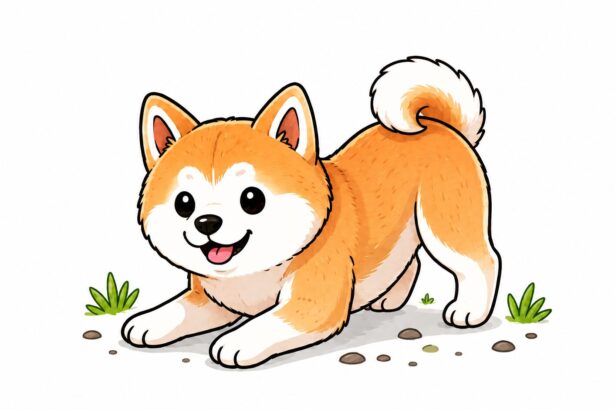
The coat is the breed’s signature feature. The double coat consists of a thick, dense undercoat beneath a longer, coarser outer coat that stands off the body rather than lying flat. Around the neck and chest, this coat forms a pronounced mane or ruff, particularly in males, that adds significantly to the Eskie’s dramatic appearance. The color is white or white with biscuit or cream markings. No other colors are recognized within the breed standard. The tail is well-furred and carried over the back in the classic spitz curl.
Housing And Living Requirements
The American Eskimo Dog is among the more genuinely adaptable breeds in terms of living situation, which is part of why it has remained a popular companion across such varied household types. It manages apartment living comfortably, particularly in the Toy and Miniature sizes, provided its exercise and mental stimulation needs are met consistently. The Standard variety benefits from access to a yard but can adapt to apartment life with serious daily exercise commitment.
A securely fenced yard is a practical advantage for any size Eskie, providing space for the supervised outdoor time and the free movement between structured exercise sessions that suit the breed’s active nature. The fence should be secure. The American Eskimo Dog is curious, athletic, and sufficiently clever to take advantage of any gap in its containment that it discovers.
Inside the home, the Eskie is a thoroughly engaged and engaging housemate. It positions itself where household activity is happening, participates in whatever is going on around it, and makes its opinions known through a vocal expressiveness that is one of the breed’s most consistent characteristics. A comfortable dog bed in a location where the dog can observe activity and rest between bouts of play suits the Eskie’s social, watchful nature.
The breed’s thick double coat provides excellent insulation against cold, which is appropriate for a dog of European spitz heritage. In hot and humid climates, the coat provides more protection from heat than it might appear, as the undercoat also acts as insulation in warm weather, but extreme heat requires careful management. Exercise should be scheduled for cooler parts of the day in warm weather, and access to shade and fresh water is important.
Exercise Requirements
The American Eskimo Dog is an active, athletic breed with genuine daily exercise needs that exceed what its small to medium size might initially suggest to a new owner. A minimum of 45 minutes to one hour of meaningful physical activity daily is appropriate for an adult Eskie, combining structured walks with active play sessions and the mental stimulation that this highly intelligent breed requires to stay settled.
The Eskie excels at activities that engage both its body and its considerable intelligence simultaneously. Dog agility is one of the most natural outlets for this breed, combining the athletic challenge with the problem-solving and training engagement that the Eskie genuinely thrives on. Many Eskie owners find that agility training is one of the most productive and relationship-building activities they can pursue with this breed. A set of dog agility equipment in the garden is a worthwhile investment for owners with the space. The breed also excels at obedience trials, rally obedience, and trick training, reflecting the circus-performing heritage that is genuinely embedded in its character.
Mental stimulation matters as much as physical exercise for this breed. Puzzle toys and enrichment activities that engage the Eskie’s problem-solving ability and keep it thinking are essential parts of the daily routine. An Eskie that is physically walked but mentally under-stimulated is still a dog looking for something to do, and it will find something.
Grooming Requirements
The American Eskimo Dog’s brilliant white double coat is its most visually dramatic feature and its most significant grooming commitment. It is not, however, as unmanageable as it might appear on first consideration, and many owners find that with the right tools and consistent routine, home grooming is entirely practical.
Under normal conditions, brushing two to three times a week with a slicker brush followed by an undercoat rake or pin brush is sufficient to keep the coat clean, free of mats, and looking its best. During the two heavy seasonal shedding periods in spring and fall, when the undercoat releases in substantial volume, daily brushing becomes necessary to stay ahead of the output. These shedding seasons produce impressive quantities of white fur that can quickly take over a household if brushing is not kept up consistently.
Bathing every four to six weeks is appropriate for most dogs. The white coat shows dirt more visibly than most other coat colors, and regular bathing with a whitening shampoo designed for white dogs maintains the breed’s characteristic luminous appearance. The dense undercoat holds moisture and takes considerable time to dry fully, so thorough drying after every bath is important to prevent skin issues from developing underneath.
Professional grooming every six to eight weeks is an option that many owners choose, particularly for the shedding seasons when a professional deshedding treatment removes significantly more undercoat than home brushing typically achieves. For owners comfortable with home grooming, the primary investment is time and the right tools rather than recurring professional expense.
Dental care is an important ongoing commitment for this breed, which has a documented tendency toward dental disease. Brushing teeth several times a week from puppyhood significantly reduces the risk of the dental problems that affect a meaningful percentage of Eskies over their lifetime. Nails should be trimmed monthly, and ears should be checked and cleaned weekly.
Diet And Nutrition
The American Eskimo Dog’s dietary needs vary significantly by size variety, and what is appropriate for a Standard Eskie weighing 30 pounds is very different from what a Toy Eskie weighing 7 pounds requires. A high-quality formula appropriate to the dog’s size class and life stage provides the nutritional foundation each size needs. The coat in particular benefits visibly and meaningfully from a diet with appropriate omega fatty acids, which support the dense, glossy coat that is the breed’s defining characteristic.
Most adult American Eskimo Dogs do well on two measured meals per day. Portion control throughout the dog’s life is genuinely important. The breed can gain weight when food quantities are not matched to actual activity levels, and obesity in an Eskie creates real problems for a dog with documented predispositions to patellar luxation and hip dysplasia. A lean Eskie moves comfortably and places minimal strain on its joints. An overweight one does not.
Training treats are highly effective motivators for this food-motivated and highly trainable breed, and the Eskie’s enthusiasm for food reward makes the training process highly responsive when treats are used purposefully. They should always be counted into the daily calorie total rather than added freely on top of full meals, particularly for the Toy and Miniature sizes whose small frames leave little caloric margin for extra treats without affecting weight management.
Compatibility
The American Eskimo Dog is a genuinely friendly, sociable, and family-oriented breed that brings warmth and playfulness to the households it joins. With its own family, it is deeply loyal, affectionate, and enthusiastically engaged in whatever is happening around it. The Eskie does not occupy its household unobtrusively. It is present, it is involved, and it makes its personality felt in the best possible way.
With children, the American Eskimo Dog is consistently patient and playful, making it an excellent family companion for households with children of appropriate ages. Its size across the three varieties means that Toy Eskies in particular require supervision around very young children who might accidentally injure a small dog, while Miniature and Standard Eskies are more robust. The breed’s energy level and playfulness make it an excellent match for active children who want a dog that participates genuinely in play rather than tolerating it.
The breed does have a natural tendency toward wariness with strangers that is rooted in its heritage as a watchdog and alarm dog. Early and consistent socialization from puppyhood is the most effective way to ensure that natural alertness is expressed as confident curiosity rather than anxious reactivity. A well-socialized Eskie approaches new people and situations with the engaged interest of a dog that is secure in itself and its environment.
With other dogs, the American Eskimo Dog is generally sociable and playful, particularly with those it has been raised alongside. With small animals, the Eskie’s quick movements and alert hunting instincts can trigger chase behavior that should not be assumed absent without direct experience with the individual dog.
A dog crate is a useful management tool during puppyhood and the settling-in period, providing a secure, defined space and helping prevent the separation anxiety that this people-oriented breed can develop when boundaries and independent time are not established early.
Behavior And Temperament
The American Eskimo Dog has a temperament that is, in equal measure, its greatest strength and its most significant management consideration. It is extraordinarily intelligent, deeply loyal, endlessly curious, and possessed of an alertness and vocal expressiveness that makes it one of the most engaged and engaging small to medium breeds a person can share a home with. It is also vocal, opinionated, and capable of expressing boredom or frustration in ways that neighbors in shared-wall living situations may find less charming than the dog’s family does.
The intelligence is not merely evident in training contexts. The Eskie applies its considerable mental capacity to everything it encounters, investigating its environment with systematic thoroughness, solving problems it encounters with an inventiveness that surprises owners, and forming such detailed models of household routines that any deviation from the expected pattern is noticed and commented on. Living with an Eskie that is mentally engaged and appropriately stimulated is one of the most genuinely interactive experiences the companion dog world offers. Living with one that is bored is considerably less pleasant for everyone involved.
The watchdog heritage is present and consistent. The Eskie notices everything, alerts on everything it considers unusual, and is remarkably difficult to deceive about what constitutes a genuine threat versus normal household activity. This quality, which made it valuable as a farm alarm dog in Germany and later as a property guardian in American homes, is still fully intact in the modern Eskie and is one of its most practically useful characteristics in a domestic context.
Separation anxiety is a recognized tendency in the breed, stemming from its deep human orientation and its need for consistent engagement. Building the Eskie’s confidence and comfort with independent time from puppyhood prevents this pattern from establishing itself.
Training And Handling
Training the American Eskimo Dog is one of the more rewarding experiences in the companion dog world, because this is a breed that learns with a speed and precision that consistently impresses even experienced owners. It picks up new commands quickly, retains learned behaviors reliably, and applies its intelligence to training contexts with genuine enthusiasm when the approach suits its character.
Positive reinforcement methods are the approach that works consistently and comprehensively. The Eskie responds to reward, to engagement, and to training that feels like a collaborative activity with its handler rather than an exercise in compliance. It picks up tricks, obedience commands, and agility sequences with impressive speed, and the circus-performing heritage that runs through many of today’s Eskies is genuinely evident in how naturally the breed takes to entertainment-style training. High-value training treats are effective motivators and make the training process highly responsive.
The independence and occasional stubbornness that are part of the spitz character are present in the Eskie and require patient, consistent handling. A dog this intelligent can also learn that certain behaviors it finds inconvenient are optional unless consistently reinforced, and owners who are inconsistent with rules find that the Eskie interprets inconsistency as permission to make its own choices.
Early socialization from puppyhood is essential. Exposing a young Eskie to a wide range of people, environments, sounds, and situations during the critical developmental window produces the confident, curious, well-adjusted adult that the breed’s intelligence and sociability are capable of generating. A puppy class is highly recommended not only for the training content but for the socialization and environmental exposure it provides.
Health And Lifespan
The American Eskimo Dog is a generally healthy breed with a notably long lifespan for its size, typically 13 to 15 years. Some individuals with good genetics and excellent care reach 17 years. Its spitz heritage and its development through practical farm work rather than extreme physical exaggeration produced a constitution that is more durable than many companion breeds, but there are hereditary conditions every owner needs to understand and monitor.
Progressive Retinal Atrophy PRA is the most significant hereditary health concern documented in the breed, affecting approximately 13 percent of American Eskimo Dogs. This group of genetic diseases causes gradual degeneration of the retinal photoreceptors, leading to progressive vision loss and eventually blindness. There is currently no cure, and the condition can progress from onset to complete blindness within one to two years. Sourcing puppies from breeders who conduct DNA testing and annual eye certification on their breeding stock is the most important preventive step available to prospective owners. Regular veterinary eye examinations allow for early detection.
Patellar Luxation Kneecap dislocation is a documented concern in the breed across all three size varieties. Mild cases are managed with lifestyle adjustments and joint supplements. More significant cases may require surgical intervention. Sourcing from breeders who screen for patellar luxation and maintaining a healthy weight throughout the dog’s life are both meaningful protective measures.
Legg-Calvé-Perthes Disease This degenerative hip condition, in which the femoral head loses its blood supply and begins to deteriorate, typically affects young dogs between six and nine months of age. It causes pain and lameness in the rear legs and often requires surgery to resolve effectively.
Hip Dysplasia While more commonly associated with larger breeds, hip dysplasia occurs in American Eskimo Dogs at a documented rate of approximately 9 percent. Maintaining a healthy weight, appropriate exercise during the growth phase, and OFA hip screening in the breeding parents all reduce the impact.
Epilepsy Seizure disorders have been documented in the breed and may be hereditary in some bloodlines. Regular veterinary monitoring and awareness of the early signs of seizure activity are important for affected dogs.
Dental Disease The breed has a documented tendency toward dental disease that owners should address proactively from puppyhood. Consistent dental care, including regular home brushing and professional cleanings, significantly reduces the risk of the dental problems that can meaningfully affect quality of life and longevity.
Routine preventive care, including regular vet check-ups, up-to-date vaccinations, consistent dental hygiene, and parasite prevention, provides the foundation for an American Eskimo Dog that reaches its full impressive lifespan potential. Pet insurance is worth considering given the breed’s predisposition to several conditions that can carry significant treatment costs.
Price And Availability
The American Eskimo Dog is an established breed with an active community of reputable breeders across the United States, making finding a well-bred puppy more accessible than with rarer breeds. From a reputable breeder, expect to pay between $1,000 and $2,000 for a puppy from health-tested parents, with show-quality dogs from champion bloodlines commanding more. Prices vary by size and region, with Standard Eskies from performance lines often at the upper end of the range.
The American Eskimo Dog Club of America is the most authoritative starting point for locating breeders who adhere to health testing protocols and breed to the AKC standard. The AKC recommends that breeding dogs be evaluated with a hip evaluation, DNA test for PRA, and ophthalmologist evaluation. Responsible breeders conduct these screenings, provide health guarantees, and ask thorough questions of prospective buyers to ensure the breed is genuinely suited to the buyer’s lifestyle.
Adoption is a meaningful and more affordable alternative. American Eskimo Dog-specific rescue organizations and general spitz breed rescues across the country regularly have Eskies of various ages available. Adoption fees typically range from $150 to $400 and often include prior veterinary care. The breed is occasionally surrendered by owners who underestimated its intelligence and vocal nature, making rescue a realistic source of well-adjusted dogs that simply need a more appropriate home.
Beyond the purchase price, annual ownership costs include food at $20 to $60 per month depending on size, professional grooming if not managed at home, routine veterinary care, and standard supplies. Grooming represents the most significant variable in annual costs. Owners who brush regularly at home and learn to manage the coat themselves spend considerably less than those who rely on professional grooming for every session. Annual ongoing costs typically run from $900 to $2,800 depending on size and grooming choices.
Conclusion
The American Eskimo Dog carries a history that is considerably more interesting and considerably more complicated than its name suggests, from its German spitz origins to its circus-performing golden era to the anti-German sentiment that erased its heritage and gave it the name it carries today. What has remained consistent through all of it is the dog itself. Brilliant, beautiful, deeply loyal, endlessly engaging, and possessed of a personality that fills a home in a way that is genuinely hard to replicate with a less expressive, less intelligent breed. For the owner who meets its exercise needs, stimulates its remarkable mind, stays ahead of its grooming demands, and provides the consistent training and socialization this breed genuinely needs to be its best, the American Eskimo Dog is a companion of extraordinary quality. Get properly set up before bringing one home. Our Best Dog Products page has everything you need for a clever, active, brilliantly white breed that brings circus-level personality to every home it graces.