

Origin And History
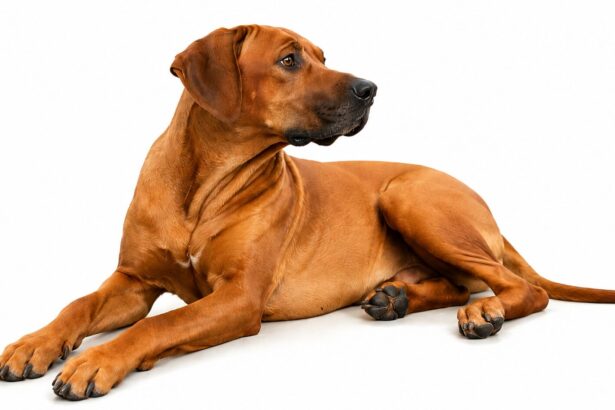
The Redbone Coonhound, recognized by the UKC in 1902 as the second coonhound breed to receive formal recognition after the Black and Tan Coonhound and by the AKC in 2009 in the Hound Group, is a medium-sized, rich-red-coated, deep-voiced, pleading-expressioned American scent hound from the Southern United States whose history is — as one of the breed’s most knowledgeable chroniclers has described it — not well documented, hidden inside the society of great coon hunters, more likely to be heard while sitting at the feet of your great-grandpa than in any formal cynological registry, a breed that is simultaneously one of the most specifically American in its development context — born of the coon hunting tradition of the antebellum South, refined by Georgia plantation hunters, named after a Tennessee breeder, and celebrated in the most specifically beloved American coming-of-age novel about dogs, Wilson Rawls’s 1961 autobiographical masterpiece Where the Red Fern Grows, whose Redbone Coonhound protagonists Old Dan and Little Ann became the most personally and the most specifically celebrated individual dogs in American children’s literature — and one of the most specifically distinguished by appearance among the six recognized AKC coonhound breeds, the only one bred with significant attention to coat color as well as working ability, producing the flashy, solid red coat in shades from deep mahogany to bright chestnut that makes the Redbone the most visually recognizable and the most aesthetically celebrated of all American coonhound breeds.
The breed’s most ancient foundational story begins in the late 18th century when Scottish and Irish hunters brought their red and white foxhounds to the American South — breeds that formed the foundation of the Redbone through subsequent selective breeding in the southeastern United States. These imported hounds were crossed with Bloodhounds to improve scenting ability and with native American hunting dogs to produce animals adapted to the specific challenging terrain of Georgia, Tennessee, and the surrounding Southern states. The breed was originally known as Saddlebacks for the black saddle marking that early individuals carried — a relic of their Scottish and Irish foxhound ancestry that resembled the saddle markings of the Bloodhound — and the deliberate selection for solid rich red color that eliminated the black saddle and produced the modern Redbone coat was itself a significant deliberate breeding achievement that made the Redbone specifically and specifically unusual among working hound breeds where appearance was typically secondary to function.
The most specifically documented individual founding event in the breed’s history is associated with George F.L. Birdsong of Georgia — a plantation owner whose hunting pack encountered the specific working challenge of the red fox that superseded the slower gray fox in the decades before the Civil War. Where Georgia hunters had been accustomed to gray foxes — quarry that their existing pack hounds could run down in five or six hours — the faster and more cunning red fox left cold trails and ran right away from the existing packs, leaving hunters with exhausted dogs and empty bags. Birdsong, having acquired the July hound strain from friends who had received Col. Miles G. Harris’s pack from Putnam County Georgia, and combining these with hounds from Dr. Thomas Y. Henry, began the selective refinement program that produced the foundation stock of the modern Redbone. These foundational hounds — large red dogs with long ears described as hanging like window curtains — provided the raw material from which the modern breed emerged.
The breed’s name is credited to Peter Redbone of Tennessee — a well-known early breeder whose surname became permanently attached to the red-coated coonhound strain he helped develop and promote. The tradition that Davy Crockett himself kept a Redbone at some point reflects the breed’s deep roots in the specific Southern hunting culture that predates formal breed documentation and that the Society of great coon hunters preserved orally rather than in written records.
The breed’s most celebrated individual cultural moment came through Wilson Rawls’s Where the Red Fern Grows — the 1961 novel based on Rawls’s own Oklahoma Ozarks boyhood with his Redbone Coonhounds, which has sold over six million copies and remains one of the most assigned American coming-of-age novels in school curricula. The specific devotion of Old Dan and Little Ann — working together with a fierce loyalty that transcends the hunting partnership — is the most personally and the most specifically moving individual literary depiction of the coonhound’s character in American letters, and it has introduced generations of American readers to the Redbone with a specifically emotional impact that no breed standard or breed club brochure could achieve.
The Redbone’s cold nose — its specific capability to follow scent trails that have grown old and faint, working a cold trail longer than other breeds before losing the track — is the working quality that most specifically distinguishes it from other coonhound breeds and that made it the most valued individual coonhound in extended hunts through the dense forests and swamps of the American South. This specific cold nose capability has found modern application in search and rescue work, where Redbones have earned certifications in advanced land cadaver detection, water cadaver detection, and trailing from organizations including the International Police Work Dog Association.
Breed Overview
| Trait | Details |
|---|---|
| Origin | Southeastern United States (Georgia, Tennessee; pre-Civil War) |
| Foundation Stock | Scottish and Irish Foxhounds (imported 1700s–1800s); Bloodhound crosses |
| Early Name | Saddlebacks (for original black saddle marking since bred out) |
| Named After | Peter Redbone of Tennessee (well-known early breeder) |
| Key Refiner | George F.L. Birdsong of Georgia (obtained July hound strain; refined breed) |
| UKC Recognition | 1902 (second coonhound breed recognized, after Black and Tan Coonhound) |
| AKC Recognition | 2009/2010 (Hound Group) |
| Parent Club (USA) | Redbone Coonhound Association of America |
| Cultural Fame | Wilson Rawls’s Where the Red Fern Grows (1961) — Old Dan and Little Ann |
| Davy Crockett | Tradition claims Crockett kept a Redbone as a companion |
| Most Distinctive Among Coonhounds | Only coonhound bred significantly for appearance (coat color) as well as working ability |
| Cold Nose | Breed’s most celebrated individual working quality — follows cold trails longer than other coonhounds |
| Modern Work | Search and rescue; cadaver detection; trailing certification |
| Voice | Sweet melodious bay; described as singing on the trail |
| Height | Males 56–68 cm (22–27 inches) / Females 53–66 cm (21–26 inches) |
| Weight | Males 20–32 kg (45–70 pounds) / Females 18–29 kg (40–65 pounds) |
| Lifespan | 10–15 years |
| Coat | Short, smooth, coarse enough for brush protection |
| Color | Deep red to bright chestnut (always predominantly red); dark muzzle common; small white on chest/feet permissible |
| Webbed Feet | Yes — enables swamp, bayou, and water hunting |
| Expression | Pleading — the most specifically described individual facial quality |
| Bay Voice | Described as sweet; carries long distances; sings on the trail |
| Home Temperament | Even-tempered, mellow, kindly |
| Field Temperament | Tiger on the trail |
Where the Red Fern Grows: The Most Literary Coonhound
Before discussing care, Wilson Rawls’s Where the Red Fern Grows deserves dedicated acknowledgment, because no other breed in this series has been as specifically and as personally introduced to millions of readers through a single work of literature, and because the novel’s depiction of the bond between a boy and his two Redbones remains the most emotionally resonant individual breed portrait in American writing.
Published in 1961 and based on Rawls’s own Oklahoma boyhood, Where the Red Fern Grows tells the story of Billy Colman and his two Redbone Coonhounds, Old Dan and Little Ann, whose personalities embody the two qualities the breed community most specifically celebrates: Old Dan’s relentless courage and physical determination, and Little Ann’s intelligence and quicker nose. The novel has been in continuous print for more than 60 years, selling over six million copies, and has been adapted for film twice. Any Redbone Coonhound owner will tell you that Wilson Rawls captured something sacred about the bond between Redbones and their people — a characterization from the breed community that confirms the novel’s fidelity to the breed’s actual character rather than a sentimental literary invention.
Appearance And Size
The Redbone Coonhound is a medium-to-large, lean, muscular, and well-proportioned scent hound that presents with the most immediately striking and the most specifically celebrated individual visual quality of any American coonhound: the rich red coat ranging from deep mahogany to bright chestnut that makes it the most visually distinctive coonhound breed and that the dedicated breeders of the 19th-century Saddleback selection program specifically worked to achieve and fix.
Males stand 56 to 68 centimeters and weigh 20 to 32 kilograms; females are slightly smaller. The coat is short, smooth, and specifically coarse enough to provide protection when hunting through dense underbrush — a functional texture requirement that distinguishes the correct Redbone coat from a merely decorative short coat. The pleading expression — the most specifically described and the most personally charming individual facial quality — comes from the combination of the dark, deep brown to hazel eyes, the soft mobile eyebrows, and the long, floppy pendant ears that extend nearly to the end of the nose when stretched. The large, compact, well-padded cat-like paws provide the terrain versatility that hunting across the varied surfaces of the American South specifically required. The webbed feet are a specifically functional adaptation for swamp, bayou, and water hunting — the Southern wetland terrain that coon hunting often traversed.
Housing And Living Requirements
The Redbone Coonhound is more adaptable in terms of living environment than the most specifically rural-heritage hound breeds might initially suggest — these dogs are highly adaptable and fit into just about any family environment as long as they get plenty of attention — but the most honestly direct assessment is that the breed’s most genuine individual welfare is served in a rural or suburban home with meaningful outdoor space and consistent daily activity.
The most critically important housing welfare consideration is secure fencing. These are scent-driven hunters with the cold nose that follows old trails for longer than other breeds — a Redbone that catches an interesting scent in an unsecured outdoor area will follow that trail with the same relentless persistence that made it the most valued coonhound for extended hunts, regardless of traffic, distance, or owner calls to return. Fence height and security are non-negotiable for any Redbone owner.
The breed-specific baying — deep, melodious, and specifically described as singing — is the most practically significant noise management consideration for any Redbone owner in a residential setting. This bay voice is the breed’s most celebrated individual working quality and the most challenging individual domestic characteristic to manage through training.
An orthopedic dog bed provides appropriate joint support. A comfortable dog bed in a social area suits the breed’s warmly people-devoted domestic character.
Exercise Requirements
The Redbone Coonhound’s exercise rhythm is the most specifically and the most personally characteristic of any coonhound breed — vigorous activities like hunting and swimming between long periods of rest is the rhythm of coonhound life, the AKC’s most specifically accurate individual breed characterization. At minimum 60 to 90 minutes of vigorous daily exercise is appropriate, with actual coon hunting, trailing work, or equivalent sustained outdoor tracking activity providing the most genuinely satisfying engagement.
Scent work and tracking activities are the most specifically and the most personally heritage-appropriate competitive outlet — the cold nose that follows faint trails for hours is the breed’s most celebrated individual working quality, and organized scent work engages it in the most directly relevant competitive format. Coonhound field trials including Nite Hunts, Water Races, and Field Trials provide the most authentically appropriate organized working sport. Swimming is a specifically natural and specifically celebrated exercise outlet — Redbones’ webbed feet and water hunting heritage make water activities the most personally satisfying non-hunting exercise available.
Puzzle toys and enrichment activities are genuinely important between outdoor sessions for a breed this intelligent. A GPS tracker is an absolutely essential safety investment for outdoor exercise in any open or semi-open area given the cold nose that will pursue any detected trail with the relentless persistence that made this breed legendary among Southern hunters.
Grooming Requirements
The Redbone Coonhound’s short, smooth, coarse coat is among the most practically low-maintenance grooming commitments of any Hound Group breed in this series, reflecting the functional working coat heritage of a dog bred for hunting through dense Southern brush rather than any aesthetic grooming tradition.
Weekly brushing with a rubber grooming mitt or hound glove removes minimal loose hair and maintains the rich red coat’s characteristic sheen. The breed sheds seasonally but not excessively. Bathing is required monthly or when genuinely needed after hunting activity — hunters often use odor-neutralizing washes to mask the dog’s scent in the field, an unusual and specifically practical grooming application unique to hunting breeds.
The long, pendant ears are the most specifically and the most consistently important ongoing health maintenance feature. The ear canal receives reduced airflow from the floppy pendant structure, creating the warm, moist environment where bacterial and yeast infections develop readily — particularly after water hunting when moisture accumulates in the ear. Weekly inspection and thorough cleaning and drying after every water exposure is the most consistently important preventive health practice.
Dental care should be established as a consistent routine from puppyhood. Nails should be trimmed regularly — the cat-like compact paws require consistent nail maintenance. Ear cleaning is the most critical ongoing individual health maintenance commitment for this breed.
Diet And Nutrition
The Redbone Coonhound is a medium-to-large, highly active hunting breed with daily caloric needs calibrated to its actual size and genuine working output. A high-quality large breed formula with a named protein source as the first ingredient provides the nutritional foundation.
Most adults do well on approximately two and a half cups of food daily split into two meals, though individual needs vary by size and activity level. Maintaining lean, athletic body condition appropriate to an active coonhound supports both field performance and long-term joint and cardiovascular health. Training treats are effective motivators in training sessions. Joint supplements discussed with your veterinarian from the dog’s early adult years are worthwhile given the hip dysplasia documented in the breed.
Compatibility
The Redbone Coonhound is one of the most broadly and the most specifically family-compatible of any Southern hunting hound — even-tempered, mellow, and kindly at home but a tiger on the trail, the AKC’s most concise individual temperament characterization capturing the essential domestic and field duality with specific accuracy. The breed’s pack-hunting heritage — coon hunting in packs — produced the most specifically sociable of all the coonhound breeds, a dog that gets along well with other dogs, welcomes human social contact broadly, and adapts to family life with the warmth of a breed that has always been most genuinely itself in the company of its people.
With its own established family, the breed is specifically devoted and specifically prone to separation anxiety when the human companionship it requires is withdrawn for extended periods. With children, the breed is consistently appropriate and specifically gentle — the devotion of Old Dan and Little Ann to Billy Colman in Where the Red Fern Grows is not literary license but accurate behavioral description. With strangers, the breed is generally friendly and open — the breed standard specifically identifies any unprovoked aggressive or fearful behavior toward people as incorrect for this breed. With other dogs, the breed is consistently cooperative given the pack hunting tradition. With raccoons, squirrels, and any small animals detected by that cold nose, the hunting drive is constitutionally genuine and specifically persistent. A dog crate is a useful management tool during puppyhood.
Behavior And Temperament
The streamlined Redbone Coonhound is even-tempered, mellow, and kindly at home but a tiger on the trail — this fundamental behavioral duality is the most personally and the most specifically accurate individual temperament characterization of the breed in any source, and it captures the essential lived experience of Redbone ownership: the dog that bays sweetly on the trail and then comes home and settles with the mellow, loving disposition of a breed that has always been deeply bonded to its people.
The melodic bay is the most specifically personally celebrated individual behavioral quality — described as sweet, as singing on the trail, and as carrying for miles through dense forest. This voice is the Redbone’s primary communication tool with the hunter, announcing trail activity, tree location, and prey status with a specific vocal vocabulary that experienced coon hunters can read as accurately as spoken language. In domestic settings, this same voice announces strangers, requests attention, and expresses boredom with the same resonant persistence, making bay management from puppyhood the most critically important individual training investment for any residential Redbone owner.
Training And Handling
The Redbone Coonhound is intelligent and trainable — genuinely so, not as a polite characterization of a difficult breed — but the scent hound’s independence when a trail is detected is the most practically important individual training reality for any owner to understand before acquisition. The tenacity and independence that make the Redbone an outstanding trailing dog also present significant training challenges that require patience and persistence to convert into handler-cooperation rather than self-directed pursuit.
Positive reinforcement methods are the most effective approach. Training treats are highly effective motivators in consistent, patient sessions. The breed responds well to formal training. The most specifically important individual training investment is the combination of bay management from puppyhood, leash reliability before the scent drive is fully established, and consistent recall training before the independence of the adult coonhound’s trail-following behavior is set in behavioral patterns that experience makes increasingly difficult to override.
Health And Lifespan
The Redbone Coonhound has a lifespan of 10 to 15 years and is considered a generally healthy breed, reflecting the constitutional soundness of working selection maintained through generations of functional coonhound breeding in the American South. Several conditions warrant awareness.
Hip Dysplasia Hip dysplasia is the most consistently documented orthopedic concern. OFA hip evaluation of breeding animals is the most important orthopedic screening. Maintaining lean, athletic body condition throughout the dog’s working life is the most practically meaningful protective measure.
Ear Infections (Otitis Externa) Ear infections are the most practically and the most consistently important individual health management concern for the Redbone given the pendant ears that reduce airflow to the ear canal combined with the breed’s specific affinity for water hunting. Weekly inspection and thorough cleaning and drying after every water exposure is non-negotiable preventive care.
Eye Conditions Eye problems including entropion and ectropion are documented. Annual CAER ophthalmological examination provides clinical monitoring.
Pelger-Huet Anomaly A rare inherited blood cell abnormality is documented as a minor concern in some lines.
Routine preventive care including regular vet checks, OFA hip evaluation, annual CAER ophthalmological examination, consistent dental hygiene, weekly ear inspection and cleaning, up-to-date vaccinations appropriate for an active outdoor hunting breed in the tick-rich environment of the American South, year-round tick and parasite prevention, and thorough ear drying after every water exposure provides the foundation for a healthy Redbone Coonhound.
Price And Availability
The Redbone Coonhound is moderately available in the United States through a community of breeders and hunters concentrated in the Southern and Southeastern states where the coon hunting tradition remains strongest, with availability growing as the breed gains recognition from people who encounter it through Where the Red Fern Grows or through the breed’s growing presence in AKC conformation events and search and rescue work. From reputable breeders with OFA and CAER health documentation, expect to pay between $500 and $1,500 for a well-bred Redbone puppy.
Conclusion
The Redbone Coonhound traces its foundation to Scottish and Irish foxhounds brought to the American South in the late 18th century and crossed with Bloodhounds and native hounds by Georgian hunters including George F.L. Birdsong who needed a faster, keener-nosed dog to confront the red fox that was defeating their existing packs, was originally called Saddlebacks for the black saddle marking subsequently bred out in favor of solid rich red, was named after Tennessee breeder Peter Redbone, carries the tradition that Davy Crockett himself kept a Redbone, was recognized by the UKC in 1902 as the second coonhound to earn formal recognition, received AKC Hound Group recognition in 2009/2010, was immortalized by Wilson Rawls in the 1961 novel Where the Red Fern Grows whose Redbone protagonists Old Dan and Little Ann became the most personally celebrated individual dogs in American children’s literature, is the only coonhound breed specifically bred for appearance as well as working ability producing the flashy solid red coat, has the cold nose that follows faint trails longer than any other coonhound, has webbed feet for swamp and water hunting, bays with a voice described as sweet and singing, is even-tempered and mellow at home while being a tiger on the trail, has been certified in search and rescue and cadaver detection, and stands today as the most specifically Birdsong-July-hound-Georgia-refined, the most specifically Saddleback-black-saddle-bred-out-for-solid-red, the most specifically Peter-Redbone-Tennessee-named, the most specifically second-UKC-recognized-coonhound-1902, the most specifically Where-the-Red-Fern-Grows-Old-Dan-and-Little-Ann-immortalized, the most specifically cold-nose-follows-trails-longer-than-other-coonhounds, the most specifically webbed-feet-swamp-hunter, and the most specifically pleading-expression-sweet-bay-singing-on-the-trail of all the American Hound Group breed partnerships available. Get properly set up before bringing one home. Our Best Dog Products page has everything you need for rich-red-mahogany-coated, pleading-expressioned, pendant-eared, webbed-footed, sweet-bay-singing, whole-heartedly devoted Southern American coon hunting hounds that carry the full heritage of the Scottish and Irish foxhound imports, George Birdsong’s Georgian refinement program, the Saddleback to solid red transformation, Peter Redbone’s Tennessee naming legacy, the 1902 UKC recognition, Wilson Rawls’s Old Dan and Little Ann immortalization, the cold nose’s cold-trail following superiority, the search and rescue cadaver detection versatility, and the specific even-tempered-at-home tiger-on-the-trail, pleading-expression, sweet-singing bay intelligence of the breed that both Davy Crockett and Wilson Rawls knew could walk right into your heart and never leave.