

Origin And History
The English Shepherd is one of the most genuinely American dog breeds in existence, despite its name suggesting otherwise. It is the all-purpose farm dog that followed the development of the United States from east to west, working on small family farms from the colonial era through the 20th century, and it is among the most historically significant working dog breeds in American history even though it is now classified as rare and relatively unknown to most of the American public. Its name reflects its British ancestry rather than its American origin, honoring the Scottish and English farm dogs that settlers brought to the New World beginning in the 1600s.
The breed’s ancestral origins trace through an account that the United Kennel Club preserves in its breed standard: according to legend, the English Shepherd is a combination of native dogs of the British Isles and the Roman sheep and cattle dog brought to the British Isles by Julius Caesar when he invaded in 55 BC. Romans used these dogs to herd the livestock brought along to feed the troops. As the livestock was depleted, surplus dogs were left along the way and were used by local natives and interbred with existing types of dogs with similar herding talents. Whether or not the precise Roman connection is literally accurate, the English Shepherd’s ancestry clearly runs through the shepherd’s dogs of Scotland and northern England, the loose-eyed farm shepherds and farm collies of the British Highlands that developed alongside the Border Collie, the Rough Collie, and other British herding breeds.
The first English settlers in the American colonies brought with them the finest Shepherd Dogs from the British Isles, and these dogs followed the development of the United States from east to west. During the 17th, 18th, and 19th centuries, as settlers pushed across the Appalachians, through the Midwest, and eventually to the Pacific, they brought their farm dogs with them, and those dogs were bred and selected for the specific needs of the American farm and frontier rather than for any formal breed standard. The English Shepherd was developed as a landrace breed, meaning the dog’s traits were shaped not by kennel club standards but by practical selection for specific agricultural needs and regional conditions. This created regional variations based on what stock was being worked, the local geography and climate, and individual farmer preferences.
The result of this American development was a dog called by many different names depending on the region: Old Fashioned Collie, Farm Collie, Farm Shepherd, Black Shepherd, Ring Tailed Shepherd, Ring Necked Shepherd, Barnyard Collie, and Cow Dog all referred to what was essentially the same all-purpose American farm dog. During the 19th and early 20th centuries, these dogs were among the most prominent breeds in the United States, found on just about every piece of farmland across the country, particularly in the East and Midwest.
The formal breed name English Shepherd was used prior to UKC recognition, as evidenced by early 20th century documents from breed enthusiasts. The UKC recognized the breed in 1927, originally as the American Farm Shepherd before settling on English Shepherd as the formal designation. As small family farms gave way to large specialized agricultural enterprises from the 1940s onward, the English Shepherd’s numbers dwindled sharply. By the 1970s the breed was classified as rare. It has never received AKC recognition, though AKC does permit English Shepherds to compete in some events. The English Shepherd Club and the UKC work to preserve and promote what its enthusiasts accurately call a national treasure.
Breed Overview
| Trait | Details |
|---|---|
| Breed Group | Herding (UKC) |
| Height | Males 46–61 cm (18–24 inches) / Females 43–58 cm (17–23 inches) |
| Weight | 18–29 kg (40–65 pounds) |
| Lifespan | 12–15 years |
| Coat | Medium length, straight to slightly wavy; moderate feathering |
| Colors | Black and white, black and tan, sable and white, tricolor (black, white, and tan) |
| Temperament | Intelligent, loyal, energetic, independent, versatile |
| UKC Recognition | 1927 |
| AKC Recognition | Not recognized |
Appearance And Size
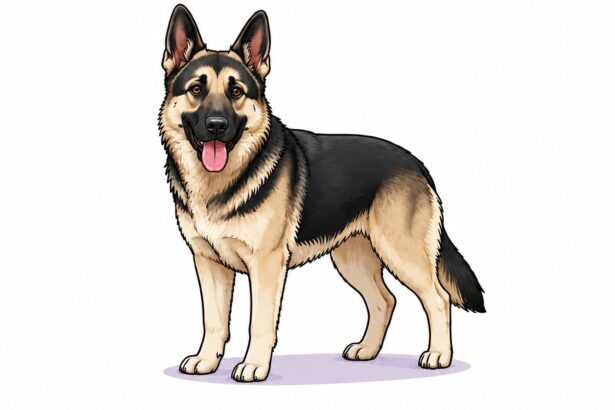
The English Shepherd is a medium-sized, sturdy, and harmoniously proportioned farm dog that presents with the practical, athletic appearance of a breed built for speed, maneuverability, and a full day’s varied work rather than for any particular aesthetic standard. Males typically stand 46 to 61 centimeters at the shoulder and weigh between 18 and 29 kilograms. Females are somewhat smaller. The UKC breed standard describes the English Shepherd as a medium-sized dog of sturdy balance and harmonious proportions, built for speed and maneuverability, with an alert face showing intelligence.
The head is moderately broad with a defined stop and a muzzle of good length. The eyes are typically brown and carry the alert, intelligent expression that characterizes the breed. The ears are set moderately high and can be carried erect, semi-erect, or pendant depending on the individual, with considerable variation in ear carriage within the breed.
The body is slightly longer than tall, with a deep chest, a level topline, and well-muscled hindquarters. The overall structure is that of a functional working dog without any extreme physical characteristics in any direction, reflecting the landrace development through practical selection rather than aesthetic breeding.
The coat is of medium length, straight to slightly wavy in texture, with moderate feathering on the ears, chest, legs, and tail that provides field protection without the intensive maintenance demands of more heavily coated herding breeds. Colors are black and white, black and tan, sable and white, and tricolor (black, white, and tan), with considerable variation in the specific distribution of markings between individuals. Because the English Shepherd was developed as a landrace breed, there is more physical variation between individuals than in breeds maintained to strict show standards, and this variation is considered characteristic of the breed rather than a fault.
Housing And Living Requirements
The English Shepherd’s housing requirements are shaped by its heritage as a comprehensive farm working dog that was expected to be useful across every aspect of small farm life: herding livestock, chasing vermin, guarding property, and being a devoted family companion. This is a breed with genuine working needs that are not adequately met by apartment living or inactive household settings.
A rural or semi-rural property with meaningful outdoor access is the most naturally suited setting for a breed that was literally on just about every piece of farmland in America for generations. Suburban settings work well for genuinely active owners who provide daily vigorous exercise and meaningful mental engagement, but the breed is consistently clear through its behavior when these needs are being met versus when they are not.
The breed is adaptable within appropriate settings and does not require extreme spaces or specific facilities. A securely fenced garden and a committed owner who provides daily active exercise and engagement are the essential requirements. The English Shepherd’s independent working intelligence means it will assess and potentially overcome inadequate containment, so secure fencing is important.
Inside the home, a well-exercised English Shepherd is a warm, devoted, and calm companion. The breed bonds deeply with its family and expresses that bond through the attentive, close proximity of a dog that has always regarded its household as its primary responsibility. A comfortable dog bed in a social area suits the breed’s family-oriented nature during rest periods.
Exercise Requirements
The English Shepherd is an active, energetic working breed with genuine daily exercise needs that reflect its heritage as an all-day farm working dog. At least one to two hours of vigorous daily exercise is appropriate for most adults, combining structured physical activity with activities that engage the breed’s working intelligence alongside its physical capability.
Long daily walks, jogs, or hikes are the minimum appropriate physical activity. The breed particularly benefits from activities that engage its herding instinct, its problem-solving intelligence, and the versatility that made it so valued on American farms. Dog agility, tracking, nosework, flyball, obedience competition, and herding trials are all activities at which English Shepherds excel and that provide the most genuinely satisfying combination of physical and cognitive engagement. A set of dog agility equipment at home provides structured physical and cognitive engagement for a breed that thrives on purposeful activity.
Puzzle toys and enrichment activities are genuinely important between physical exercise sessions. A GPS tracker is a practical safety investment for outdoor exercise in any open or unfenced area given the breed’s independent working character and prey drive.
Grooming Requirements
The English Shepherd’s medium-length coat is a practical field coat that provides reasonable weather protection with a grooming commitment that is moderate rather than demanding. Brushing two to three times a week prevents matting in the moderately feathered areas and removes loose hair and field debris. During the seasonal shedding periods in spring and fall, more frequent brushing is necessary to stay ahead of the undercoat release. The breed sheds moderately throughout the year with heavier seasonal output.
Bathing every six to eight weeks is appropriate under normal conditions. The coat’s slightly wavy texture provides some self-cleaning quality and reasonable weather resistance, drying relatively efficiently after bathing or field exposure to rain.
The feathering on the ears, chest, legs, and tail requires particular attention during brushing to prevent tangles. After outdoor work in heavy cover, prompt brushing to remove burrs and debris prevents them from becoming embedded in the feathering.
Ears should be checked and cleaned weekly. Dental care should be established as a consistent routine from puppyhood. Nails should be trimmed monthly, though active working dogs may partially maintain nail length through terrain contact.
Diet And Nutrition
The English Shepherd is a medium-sized, active working breed with significant daily caloric needs that should be matched to its actual size and activity level. A high-quality medium breed formula with a named protein source as the first ingredient provides the nutritional foundation this athletic breed requires.
Most adults do well on two measured meals per day. Maintaining appropriate weight throughout the dog’s life is one of the most practically meaningful ongoing health investments an owner can make, given the breed’s documented predispositions to hip and elbow dysplasia. Extra weight directly worsens joint conditions in any breed, and the English Shepherd’s active working character means that maintaining the lean, muscular body condition that reflects appropriate weight for a working dog provides both health protection and performance benefits.
Discussing joint supplements with your veterinarian as the dog reaches middle age is worthwhile. Training treats are highly effective motivators given the breed’s food motivation and intelligence, and should be counted into the daily calorie total.
Compatibility
The English Shepherd is a warmly family-compatible breed that brings the devoted, intelligent, versatile character of America’s original all-purpose farm dog to its household relationships with the same comprehensive usefulness that made it indispensable to generations of American farmers.
With its own family, the breed is deeply devoted and genuinely affectionate. The English Shepherd has great empathy for both the livestock and for their human family, and this quality of empathetic attunement to its household’s state and needs is one of the most consistently celebrated domestic qualities of the breed. The bond this breed forms with its family is deep and loyal.
With children, the English Shepherd is genuinely excellent when raised alongside them from puppyhood. As a farm dog, the English Shepherd was still the most desirable due to its versatility in working with different livestock, guarding the home, and caring for the children, and this historically documented role as a child-minding dog on American farms reflects a genuine temperament quality. The breed is patient, protective, and playful with children, making it one of the most naturally family-suitable herding breeds available.
With strangers, the breed maintains the watchful alertness of a farm guardian dog. It is not an aggressive breed but it takes its protective responsibility seriously, and early socialization from puppyhood is the most effective tool for ensuring this natural alertness is expressed as appropriate discernment rather than persistent wariness.
With other dogs, the breed is generally sociable when properly socialized from early in life. With livestock, the herding instinct is genuine and functional. With small animals including cats, the breed is typically adaptable when raised alongside them, and the English Shepherd’s farm heritage included managing its predatory instincts around the farmstead animals it was expected to protect. A dog crate is a useful management tool during puppyhood and the settling-in period.
Behavior And Temperament
The English Shepherd’s temperament is one of the most consistently and most warmly described in American working dog history, captured accurately by the UKC breed standard description: energetic, intelligent, very active, agile, courageous, and gritty, fearless for its purpose, acting immediately when commanded and very responsive to the master’s voice, adapting itself almost at once to working commands around farm stock, and companionable to its master.
The intelligence is the quality most consistently celebrated by those who know the breed. English Shepherds are quick to learn routines and can work independently with little direction, and this assessment reflects the genuine independent working intelligence of a breed that managed complex farm tasks without constant handler direction for generations. This intelligence needs consistent, purposeful engagement to remain productively directed.
The versatility is equally genuine and expressed across an extraordinary range of working contexts. Today’s English Shepherd still works on farms, hunts, serves as a therapy dog, competes in AKC trials, performs search and rescue duties, and makes a devoted family companion, and the breath of this list reflects the same comprehensive usefulness that made the breed so valuable across generations of American farm life.
The herding style includes the use of teeth and low heeling, which are characteristic working traits that distinguish the English Shepherd from some other herding breeds. This style, appropriate for the varied livestock management tasks of the American farm, requires the same clear working outlet and management as any herding breed’s instincts.
Training And Handling
The English Shepherd is an intelligent, responsive, and genuinely trainable breed that approaches training with the enthusiastic, quick-learning engagement of a dog that has been selected across many generations for the ability to quickly adapt to working commands. The breed’s responsiveness to its owner’s voice is one of its most specifically noted working qualities.
Positive reinforcement methods are the approach that works most reliably. The English Shepherd responds to reward and genuine engagement, and its food motivation and its desire to please its master make training sessions highly productive when the approach suits the breed’s responsive, working-oriented character. Training treats are highly effective motivators.
The independent working intelligence that allowed this breed to manage farm tasks without constant handler direction is genuine and always present. Training must engage this intelligence genuinely rather than expecting automatic compliance, and varied, purposeful sessions that feel like real work rather than repetitive drilling produce the most reliable and most enthusiastic performance.
Early socialization from puppyhood is important for a breed with active protective instincts and working drive. The breed’s empathetic attunement to its household and its genuine responsiveness to its owner make it one of the more accessible working herding breeds for experienced owners willing to engage with it consistently.
Health And Lifespan
The English Shepherd is a generally healthy and robust breed with an impressive lifespan of 12 to 15 years. Its development as a landrace breed through practical working selection without intensive inbreeding or extreme physical trait selection has produced a constitution that is more sound than many breeds developed primarily for appearance. The breed is not unusually prone to health problems, and the conditions that are documented are manageable with appropriate preventive care.
Hip and Elbow Dysplasia Abnormal joint development causing pain, restricted movement, and progressive arthritis is the most consistently documented hereditary health concern in the breed, shared with other medium to large herding breeds of similar size. Sourcing puppies from breeders who conduct OFA hip and elbow screening on their breeding animals reduces inherited risk. Maintaining appropriate weight throughout the dog’s life and discussing joint supplements with your veterinarian as the dog reaches middle age are meaningful protective measures.
Collie Eye Anomaly (CEA) This genetic eye disorder, common among herding dogs sharing ancestry with the Collie family, occurs when the choroid, the thin vascular layer lining the back of the eye, does not develop properly, resulting in visual impairment. CEA is a strongly heritable condition, meaning all breeding dogs should be screened by a veterinary ophthalmologist and puppies should be checked prior to sale. The condition ranges from mild, with minimal visual impact, to more severe. DNA testing for CEA is available and recommended for all breeding animals.
MDR1 Drug Sensitivity English Shepherds are more prone to certain drug allergies and sensitivities than other breeds, specifically related to the MDR1 gene mutation found in many herding breeds of Collie ancestry. This mutation causes dogs to be sensitive to commonly used medications including certain antiparasitic drugs, sedatives, and anti-diarrheal medications. DNA testing identifies affected and carrier dogs, and informing any veterinarian about this potential sensitivity before any medication is prescribed is an important ongoing health management responsibility.
Hypothyroidism Decreased thyroid hormone production causing weight gain, lethargy, coat changes, and other metabolic symptoms is documented in the breed. Annual blood work beginning in middle age allows for early detection and management with lifelong hormone replacement therapy once diagnosed.
Patellar Luxation Kneecap dislocation is documented in the breed at moderate rates. It ranges from mild, requiring only monitoring, to severe, requiring surgical correction. OFA patellar evaluation is recommended for breeding animals.
Routine preventive care, including regular vet check-ups, consistent dental hygiene, up-to-date vaccinations, and parasite prevention appropriate for an active outdoor breed in tick and heartworm country, provides the foundation for a healthy English Shepherd across its impressive lifespan.
Price And Availability
The English Shepherd is a rare breed that requires some dedicated searching to locate, but it is more available than many breeds of comparable rarity because its breeding community is spread across the United States particularly in rural farming areas where the breed has always been most naturally at home. From reputable breeders, expect to pay between $400 and $1,000 for a well-bred puppy from working or farm lines, with prices reflecting the working dog rather than companion market context of most English Shepherd breeding.
The English Shepherd Club is the most authoritative starting point for locating breeders who maintain the breed to established standards and prioritize working capability alongside health. Responsible breeders will conduct OFA hip and elbow evaluations, CEA genetic testing, MDR1 testing, and patellar evaluation on their breeding animals, and will be transparent about all health testing results. They will ask thorough questions about the prospective buyer’s lifestyle, outdoor access, and experience with working herding breeds.
Adoption is a meaningful option for this breed. English Shepherds occasionally appear in shelter populations and are available through rescue organizations that focus on farm dog and herding breed types.
Conclusion
The English Shepherd was on just about every piece of American farmland from the 1600s through the mid-20th century, doing the work that no single specialized breed could do: herding sheep, cattle, pigs, and chickens; hunting rats and other vermin; guarding the isolated homestead against predators and strangers; helping with hunting; and being the devoted family companion that farm families depended on. When the small family farm gave way to industrial agriculture, the English Shepherd lost its working context and became rare, classified as a breed in decline, and largely forgotten by the urban majority of the American dog-owning public. What was not lost is the dog itself: the intelligence, the versatility, the empathetic family devotion, the responsive working character, and the constitutional soundness that practical selection across generations of American farm life produced. The English Shepherd is, as its enthusiasts say, a genuine national treasure, and the community working to preserve it is working to preserve a piece of American agricultural and cultural history that deserves a more visible place in the national consciousness than it currently holds. Get properly set up before bringing one home. Our Best Dog Products page has everything you need for intelligent, versatile, whole-heartedly devoted American farm dogs that carry generations of national working heritage into every home they grace.