
Knowing how to clean a hedgehog cage properly is one of those things that separates a good hedgehog setup from a bad one. It sounds straightforward, but there’s more nuance to it than most people expect — the wrong cleaning products can harm your hedgehog, cleaning too infrequently leads to ammonia buildup that damages their respiratory system, and skipping certain areas of the cage causes smell and hygiene problems that compound quickly. This guide covers the full routine: what to do daily, weekly, and monthly, what products are safe, and how to handle the parts of the cage that most people forget.
Why Cleaning a Hedgehog Cage Matters More Than You Think
Hedgehogs are small, but their waste output relative to their size is significant. They urinate frequently — often while running on their wheel — and because they’re nocturnal, they’re doing most of this activity while you’re asleep. By morning, the wheel, cage floor, and bedding have often accumulated a meaningful amount of waste.
Left too long, urine breaks down into ammonia, which builds up in the enclosure air. Ammonia fumes are genuinely harmful to hedgehogs — their respiratory systems are sensitive, and prolonged exposure contributes to respiratory infections and chronic irritation. A dirty cage also creates the conditions for bacterial growth and can exacerbate skin conditions. If you’ve ever noticed your hedgehog scratching more than usual, a dirty environment is one of the first things to rule out alongside hedgehog mites or dry skin.
The RSPCA’s hedgehog care guidance states clearly that enclosures must be cleaned regularly to maintain animal welfare — it’s not optional, and it’s not just about keeping your home smelling fresh.
What You’ll Need Before You Start
Having the right supplies on hand makes the cleaning process much faster and more consistent. A dedicated hedgehog cage cleaner that’s formulated to be safe for small animals is worth using instead of household sprays, which often contain fragrances, bleach, or other chemicals that leave residue harmful to hedgehogs. A good poop scoop handles daily waste removal without needing to disturb the whole cage. Having a full set of hedgehog cleaning supplies — including a small scrubbing brush, cloths, and a dedicated basin for soaking accessories — keeps the process organised and means you’re not using the same tools you use elsewhere in the house.
Daily Cleaning: What Needs to Happen Every Single Day
Daily maintenance takes five minutes or less once you’re in the habit, and it makes the weekly deep clean significantly less work.
Spot-clean the cage floor. Remove visible droppings from the cage floor using your poop scoop. If you’re using loose bedding, check for saturated patches near where your hedgehog sleeps or eats and remove those too. If you use fleece liners rather than loose bedding, shake them out over a bin and spot-wipe any soiled areas. The best hedgehog cage liners are designed to be machine-washable, which makes this part of the routine much easier to manage.
Clean the wheel. This is the part most new owners underestimate. Because hedgehogs run for miles each night — often urinating and defecating as they go — the wheel accumulates waste rapidly. A quick rinse and wipe with a damp cloth every day, or every other day at minimum, keeps it manageable and prevents the wheel becoming the main source of smell in the enclosure. Choosing a hedgehog wheel with a solid, smooth running surface makes this much easier than trying to clean a mesh or barred wheel.
Wash the food bowl and water dish. Food residue left in bowls overnight attracts bacteria. Wash both with warm water and mild dish soap daily, rinse thoroughly, and dry before refilling. This is particularly important if you’re feeding wet food or fresh insects alongside dry food.
Check and refresh water. Whether you use a water bottle or a water dish, fresh water daily is non-negotiable. Water bottles should be checked for airlocks and the nozzle wiped clean. Dishes should be emptied, rinsed, and refilled rather than just topped up.
Weekly Cleaning: The Full Bedding Change
Once a week, the whole cage needs a proper clean — not just spot maintenance.
Remove your hedgehog first. Place them somewhere safe and warm while you clean. A small playpen or a secure carrier works well. Don’t leave them somewhere they can get cold, especially if cleaning takes a while — hedgehogs are sensitive to temperature drops as covered in do hedgehogs need heat lamps.
Remove and dispose of all bedding. If using loose bedding, remove all of it — don’t just top it up. Urine soaks down through the layers, and leaving old bedding underneath fresh bedding means ammonia continues building regardless of how clean the top layer looks. Replace with a full fresh layer of appropriate depth. The best hedgehog bedding options — typically paper-based or aspen — absorb well and keep odour under control better than alternatives like cedar or pine, which should always be avoided due to the aromatic oils they contain.
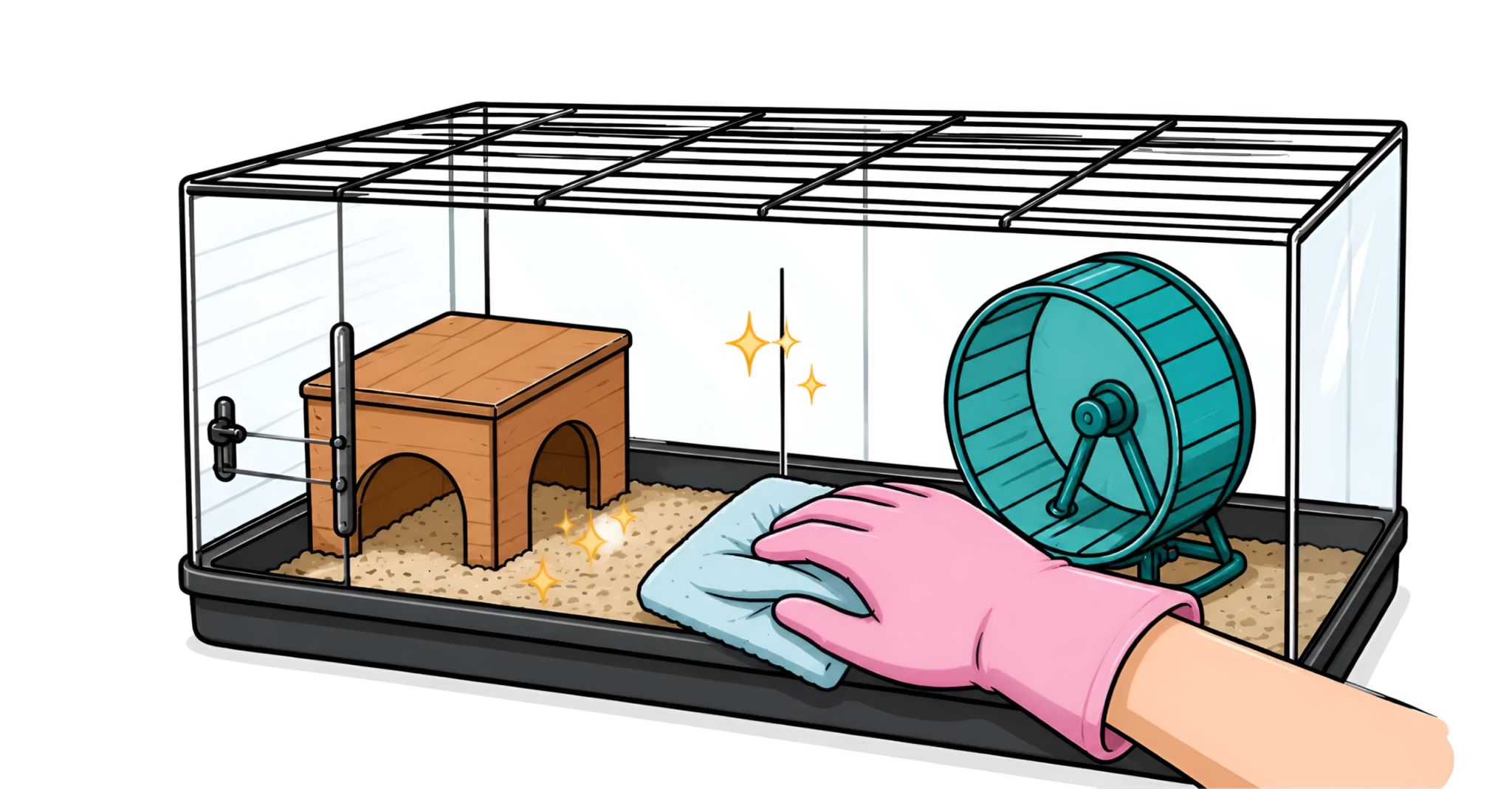
Wipe down all cage surfaces. Spray the floor, walls, and any plastic or metal components with your animal-safe cage cleaner, leave it for a moment to work, then wipe down thoroughly with a clean cloth. Pay particular attention to corners and edges where waste tends to accumulate. If your cage has any fabric components like hammocks or sleeping bags, remove these for washing.
Clean all accessories. The hideout, any tunnels, toys, and feeding bowls should all come out for a proper wash during the weekly clean. Most plastic and ceramic accessories can be soaked in a basin of hot water with a small amount of unscented dish soap, scrubbed, rinsed well, and dried before going back into the cage.
Wash fleece liners or fabric items. If you use fleece liners or fabric accessories like a hedgehog sleeping bag, wash these in the machine at a warm temperature using an unscented, fragrance-free detergent. Fragrance residues in detergent can irritate hedgehogs, and some fabric softeners are outright harmful. Rinse on an extra cycle if your machine has one.
Reassemble and check temperature. Once everything is dry and back in place, check that the enclosure has returned to the correct temperature before returning your hedgehog. A hedgehog thermometer placed at floor level gives you an accurate reading of where the hedgehog actually spends its time.
Monthly Deep Clean: The Parts People Miss
On top of the weekly routine, a thorough monthly clean addresses the things that don’t need attention every week but absolutely need it occasionally.
Disinfect thoroughly. Use your animal-safe cage cleaner or a diluted white vinegar solution (one part vinegar to three parts water) to disinfect all hard surfaces. Vinegar is effective against many bacteria, breaks down ammonia residue, and is completely safe once dry — the smell dissipates quickly. Avoid bleach-based products; even when rinsed, the residue can irritate hedgehog skin and respiratory systems.
Inspect the cage for damage. Check wire sides for any sharp points or bent sections, look for cracks in plastic components where bacteria can harbour, and check that any heating equipment is functioning correctly. A damaged wheel, for example, can cause injury to feet — something worth catching early.
Clean behind and underneath the cage. Loose bedding escapes through wire sides, droppings land beyond the cage edge, and dust accumulates underneath. Pulling the cage out and cleaning the surface it sits on monthly keeps the surrounding area hygienic.
Check for signs of parasites or skin issues. During the monthly clean, take a closer look at your hedgehog — quill health, skin condition, and overall behaviour. Dirty enclosures are linked to higher rates of hedgehog mites and fungal skin issues, so a clean environment is one of the best preventative measures you have.
According to VCA Animal Hospitals, skin and coat condition in hedgehogs is closely tied to husbandry quality, and regular enclosure cleaning is one of the primary factors vets assess when hedgehogs present with dermatological issues.
What Cleaning Products Are Safe — and What to Avoid
This is worth spelling out clearly because mistakes here can cause real harm. Safe options include cleaners specifically formulated for small animal enclosures, diluted white vinegar, and hot water with a small amount of unscented dish soap. The key requirement is that whatever you use rinses away completely and leaves no chemical residue.
Products to avoid include anything containing bleach, alcohol, phenols (found in many household disinfectants like Dettol), or strong fragrances. Pine-based cleaners are particularly harmful. Antibacterial sprays designed for kitchen or bathroom surfaces are generally not appropriate for animal enclosures. If you’re uncertain about a product, the safest approach is to stick with a cleaner that explicitly states it’s safe for use around small animals.
The Chicago Exotics Animal Hospital advises that hedgehog enclosures should only be cleaned with products that are non-toxic to small mammals, and that all surfaces should be allowed to dry fully before the animal is returned.
How Cage Type Affects Your Cleaning Routine
The type of enclosure you have changes how you approach cleaning in a few practical ways. Wire-sided cages with a removable plastic tray at the bottom are among the easiest to clean — the tray slides out, the contents are disposed of, and the tray itself can be washed in a bathtub or outside. If you’re still choosing an enclosure, this is worth considering; check the best hedgehog cage options with this in mind.
Solid-sided enclosures like converted storage tubs retain smell more but are also easier to wipe down completely. Glass tanks are the hardest to clean thoroughly due to their weight and the difficulty of getting into corners, but they’re manageable with the right tools.
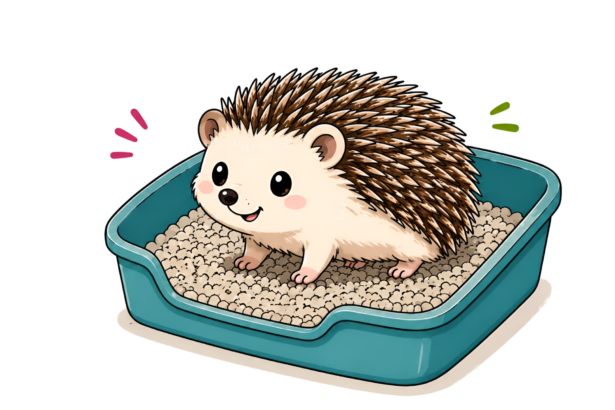
Litter training makes any cage type easier to maintain. If your hedgehog reliably uses a litter box, the majority of solid waste ends up in one place rather than spread across the whole floor. The how to litter train a hedgehog guide walks through how to establish this habit — it’s one of the most practical things you can do to simplify your cleaning routine long-term.
A Note on Hedgehog Poop During Cleaning
If you’re new to hedgehogs, the volume and consistency of their droppings can be surprising. Hedgehog poop is typically dark, cylindrical, and firm when the animal is healthy — and there’ll be quite a bit of it after a night of active foraging and running. Loose, very dark, or unusually coloured droppings can indicate dietary issues or illness and are worth monitoring. Keeping an eye on droppings during daily cage cleaning is actually a practical health check — you notice changes because you’re looking at the waste regularly.
The Hedgehog Welfare Society recommends that owners monitor stool consistency as part of routine health awareness, noting that changes in droppings are often the earliest visible indicator of a health problem.
Keeping on Top of It Without Burning Out
The biggest challenge with cage cleaning isn’t knowing what to do — it’s staying consistent. A few things that help: keeping all your cleaning supplies in one dedicated spot near the cage so there’s no hunting around for things, setting a specific time each week for the full clean rather than leaving it as a vague intention, and having enough fleece liners or bedding in stock that you’re never waiting for things to dry before the cage can be reassembled.
The Exotic Animal Hospital of Orlando emphasises that consistency in husbandry — including cleaning schedules — is one of the strongest predictors of long-term hedgehog health, noting that many preventable health issues in pet hedgehogs can be traced back to inadequate enclosure hygiene.
A clean cage is one of the simplest, most impactful things you can do for your hedgehog. It takes less time than people think once the routine is established, and the payoff — a healthier, more comfortable animal and an enclosure that doesn’t dominate your home with smell — is immediate.
Everything you need to build that routine properly is in our best hedgehog products section.