
Walk past an apricot tree in summer and it’s hard not to grab one — sweet, fragrant, and packed with color. If you’re a hedgehog owner, the natural instinct is to wonder whether your pet can share in the experience. The honest answer is that apricots sit in complicated territory for hedgehogs. The flesh isn’t outright toxic, but there’s enough going on with their sugar content, acidity, and calcium-to-phosphorus ratio that caution is warranted. And certain parts of the apricot — namely the pit and the leaves — are genuinely dangerous and should never go anywhere near your hedgehog’s bowl.
Here’s what you actually need to know.
What Are Apricots?
Apricots are small stone fruits in the same family as peaches, plums, and cherries. They’re known for their soft, sweet-tart flesh and vibrant orange color when ripe, and are eaten fresh, dried, and canned around the world. Like all stone fruits, they have a hard inner pit containing a kernel — and that kernel is where the real danger lies for animals.
Can Hedgehogs Eat Apricot Flesh?
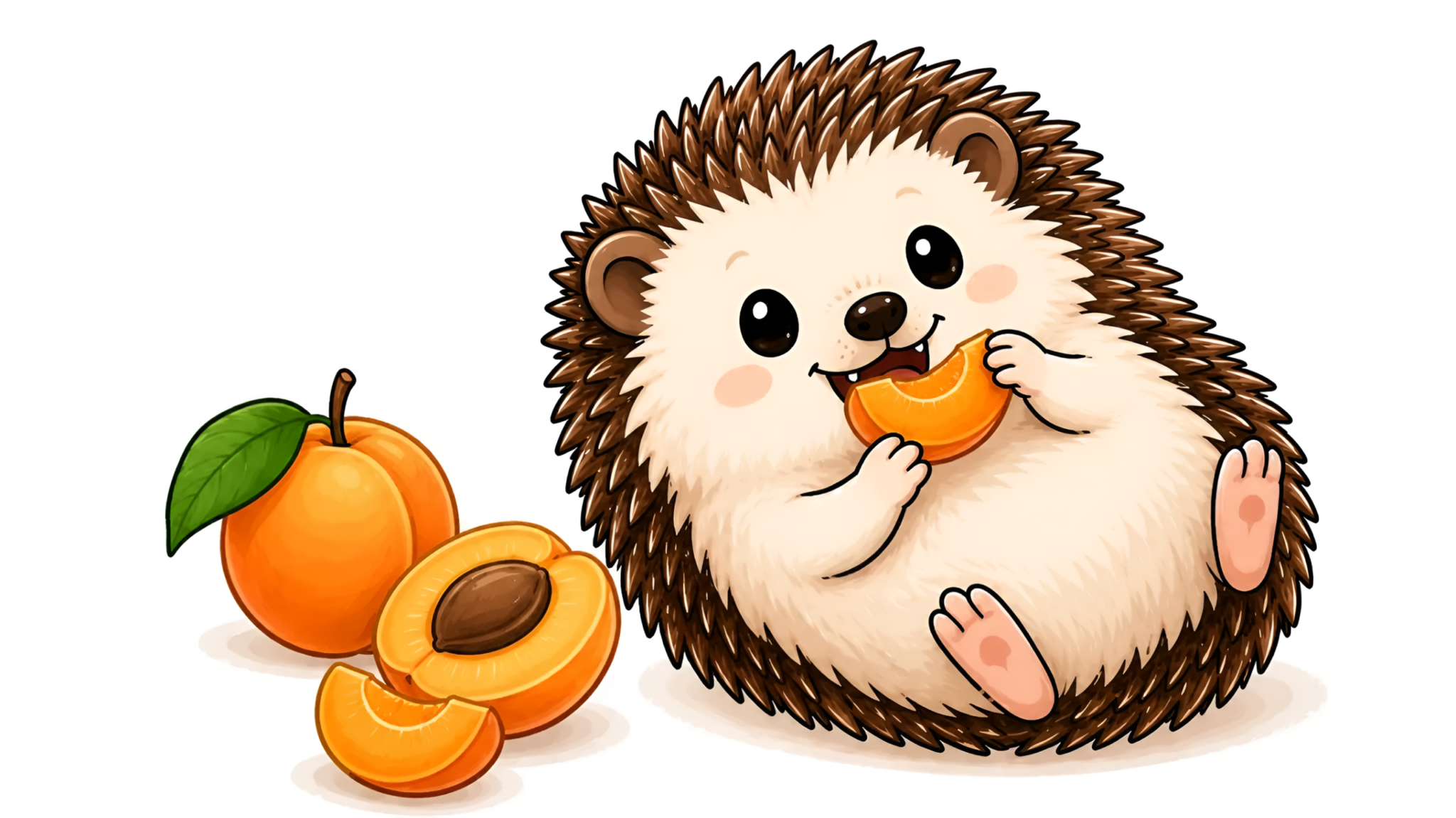
Small amounts of fresh, ripe apricot flesh are generally considered safe for hedgehogs as an occasional treat. Apricots do contain some useful nutrients — vitamin A, which supports eye health, vitamin C, potassium for heart function, fiber for digestive health, and antioxidants. Given that hedgehogs already have naturally poor eyesight, vitamin A in particular is a welcome addition.
However, it’s worth noting that some sources flag apricots as being on the acidic side, which can cause digestive upset in hedgehogs. If you do offer apricot flesh, keep the portion very small — a single small slice — and watch for any signs of stomach discomfort afterward. If your hedgehog shows loose stools or seems unsettled, it’s a signal to skip apricots entirely going forward.
The most important rule is moderation. Hedgehogs are insectivores at heart, and fruit should never be more than a small occasional addition to their diet — not a regular feature.
The Sugar Problem
The biggest dietary concern with apricots is sugar. Hedgehogs are prone to obesity and diabetes, and high-sugar foods are a direct contributor to both. Too much sugar in the diet can also cause diarrhea, weight gain that affects mobility, and nutritional imbalance if sweet treats start crowding out the proper staple food. Hedgehog weight is worth keeping a close eye on regardless, but it’s especially important if you’re regularly offering fruit as a treat.
This is also why dried apricots are off the table entirely. The drying process strips most of the water content and concentrates the sugar dramatically, making even a small piece far too high in sugar to be safe. Canned apricots are equally unsuitable — the added syrups, preservatives, and artificial ingredients make them inappropriate for hedgehogs, full stop.
The Calcium-To-Phosphorus Ratio
Something that doesn’t get discussed enough in hedgehog nutrition is the calcium-to-phosphorus ratio of everything you feed them. Hedgehogs need a diet where calcium meets or exceeds phosphorus — ideally at a 1:1 or 2:1 ratio. When phosphorus consistently outweighs calcium, it can block calcium absorption and lead to metabolic bone disease, a serious and irreversible condition. Apricots contain more phosphorus than calcium, which is one more reason they belong firmly in the occasional treat category rather than anywhere near the regular rotation.
Parts Of The Apricot To Completely Avoid
This is where things become genuinely serious, and where there is no room for compromise.
The Pit
The inner pit of an apricot must never be given to a hedgehog — or any small animal. Apricot kernels contain a compound called amygdalin, which converts to hydrogen cyanide when ingested. Cyanide toxicity is potentially fatal, and given the tiny body weight of a hedgehog, the risk is significant. Always remove the pit completely before offering any apricot flesh, and dispose of it safely where your hedgehog cannot access it.
The Skin
The skin of the apricot contains oxalates — compounds that can accumulate and contribute to kidney problems, including kidney stones, if consumed in notable amounts. Remove the skin before offering any flesh to your hedgehog.
The Leaves
Apricot tree leaves also contain amygdalin and should be kept well away from hedgehogs. If your hedgehog has outdoor access and you have an apricot tree in your garden, this is worth being aware of.
How To Prepare Apricots For Your Hedgehog
If you decide to offer apricot as an occasional treat, preparation is straightforward but important:
Wash the fruit thoroughly to remove any pesticide residue or surface dirt. Peel the skin off completely. Remove the pit and discard it safely. Cut the flesh into very small pieces — hedgehogs have small mouths and can struggle with larger chunks. Offer one small piece at a time, placed in their food bowl or offered by hand if your hedgehog is comfortable with that.
Remove any uneaten fruit promptly. Fresh fruit left in the cage will attract bacteria quickly, and keeping your hedgehog’s enclosure clean is always a priority. It’s also worth keeping tabs on hedgehog poop — loose or unusual stools after introducing a new food are one of the clearest signs that something didn’t agree with them. You can find tips on general cage cleanliness on our how to clean a hedgehog cage page.
How Often Can Hedgehogs Have Apricots?
If you’re going to offer apricot at all, once a week at most is a sensible upper limit. It should never become a daily feature. The bulk of your hedgehog’s diet should always be a high-quality, protein-rich staple food — typically a good hedgehog food or appropriate dry cat food — supplemented with occasional treats rather than built around them. If you’re ever uncertain about what your specific hedgehog can handle, a vet with exotic animal experience is the best person to ask. If you’re still building out the basics of your hedgehog’s diet, our best hedgehog food page is a good place to start.
Storing Apricots
If you buy apricots in bulk, store unripe ones at room temperature away from direct sunlight and let them ripen naturally over a few days. A paper bag can speed the process up by trapping the ethylene gas the fruit naturally produces. Once ripe, transfer them to the refrigerator in a single layer, covered lightly with a paper towel to manage moisture. Keep them away from ethylene-producing fruits like bananas and apples to prevent premature spoilage. For longer storage, wash, peel, slice, and freeze them in an airtight container — but always thaw fully to room temperature before offering any to your hedgehog, as frozen fruit can cause stomach upset.
Conclusion
Apricots aren’t off-limits for hedgehogs, but they deserve a cautious approach. A small piece of fresh, peeled, pitted apricot once a week is about as far as it should go — and even then, keep an eye on how your hedgehog responds. The pit, skin, and leaves are all genuinely hazardous and must be kept away completely. Fruit is never a core part of a healthy hedgehog diet, and a hedgehog that eats well from a balanced staple food is always better off than one that fills up on sweet treats. When it’s time to stock up on everything your hedgehog needs to thrive, our best hedgehog products page has a full range of food, treats, and feeding accessories to help you get their diet exactly right.