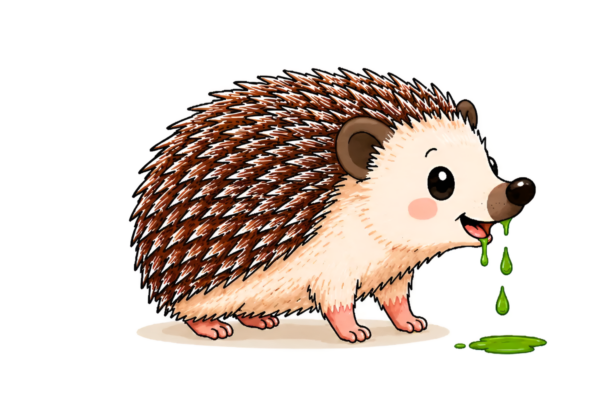

There’s a reason hedgehogs keep showing up in pet stores and on social media feeds — they’re genuinely fascinating little animals. Spiky, curious, and surprisingly full of personality, it’s hard not to be charmed by them. But charm only gets you so far, and the honest answer to whether hedgehogs make good pets is: it depends entirely on you. They’re not the right fit for everyone, and some of the things that make them tricky to keep are things a lot of first-time owners don’t find out until it’s too late. So before you commit, here’s what you actually need to know.
They’re Low Maintenance — But Not No Maintenance
One of the biggest draws of hedgehog ownership is how self-sufficient they are compared to dogs or cats. They don’t need walks, they don’t demand constant attention, and they’re perfectly content living alone — hedgehogs are naturally solitary animals and genuinely prefer it that way. There’s no guilt about leaving them home while you’re at work.
That said, low maintenance doesn’t mean no maintenance. They need a clean cage, fresh food and water daily, and regular handling to stay socialized. Their diet requires more thought than most people expect — they’re insectivores by nature, and getting the protein-to-fiber ratio right matters for their long-term health. Their enclosures also need regular, thorough cleaning to prevent odor and keep them healthy. They’re low maintenance relative to a dog — not relative to a goldfish.
They’re Nocturnal, And That’s Non-Negotiable
This is the detail that catches the most new owners off guard. Hedgehogs are nocturnal animals — they sleep through most of the day and come alive at night. In the wild, this is how they’ve always operated, hunting and foraging while their predators sleep. Pet hedgehogs don’t change this schedule just because they live indoors.
What this means practically is that the window for interacting with your hedgehog is in the evening and at night. You can handle them during the day, but it’s not something you should do constantly — it disrupts their sleep and can stress them out. If you go to bed early or have young children on a strict schedule, a hedgehog may not be the most compatible companion. Night owls and evening people, though, tend to find them a surprisingly perfect fit.
Temperature Control Is Serious Business
This is something most pet care articles gloss over, but it genuinely matters. Pet hedgehogs — most commonly the African pygmy hedgehog — need to be kept in a consistently warm environment, ideally between 72°F and 80°F (22–27°C). Drop below that, and things can go wrong quickly.
Temperatures below 65°F can trigger a dangerous hibernation attempt. Unlike wild hedgehogs, pet hedgehogs haven’t evolved to safely enter and exit hibernation, and attempting it in captivity can cause dehydration, organ damage, and in serious cases, death. A hedgehog going cold and limp is not sleeping — it’s a medical emergency. You can read more about this on our do hedgehogs hibernate page, but the short version is: a reliable heat source and a good thermometer aren’t optional extras. They’re essentials.
Handling Them Takes Patience
Hedgehogs are not naturally cuddly. When they’re nervous or startled, they curl into a tight ball and present their quills — and those quills, while not barbed like a porcupine’s, are still sharp enough to poke. New hedgehogs especially can take weeks or even months to trust their owners enough to relax around them. Forcing the interaction or uncurling them when they’ve balled up is exactly the wrong move and will set that trust-building back considerably.
The good news is that patience pays off. Hedgehogs that are handled regularly from a young age become significantly more comfortable with people over time, and a well-socialized hedgehog is a genuinely rewarding animal to spend time with. But if you’re looking for a pet that’s immediately affectionate and easy to pick up from day one, a hedgehog is going to frustrate you.
They Can Carry Salmonella
This is worth knowing upfront, especially for households with young children or immunocompromised individuals. Hedgehogs can harbor salmonella bacteria without showing any symptoms themselves, and it can be transmitted to humans through contact with the animal, its bedding, toys, or droppings. Several strains of salmonella occur in hedgehogs, and cases of transmission to humans have been documented.
This doesn’t mean hedgehogs are dangerous pets — it just means basic hygiene is non-negotiable. Always wash your hands thoroughly after handling your hedgehog or cleaning its enclosure, and supervise young children carefully during any contact. Keeping on top of hedgehog poop and general cage hygiene is part of responsible ownership.
Health Issues You Should Know About
Beyond salmonella, hedgehogs have a few health vulnerabilities that prospective owners should be prepared for. Wobbly Hedgehog Syndrome (WHS) is a progressive neurological condition that affects roughly 10% of pet African pygmy hedgehogs. It begins with loss of control in the rear legs and gradually progresses to full paralysis. There is no cure, and most affected animals do not survive beyond two years after diagnosis. It’s not common, but it’s common enough that you should know it exists.
Hedgehogs are also prone to mites and other skin parasites, particularly when newly acquired. Symptoms include itchy, red skin, quill loss, and irritability. It’s treatable, but it does require a vet visit. Speaking of which — hedgehogs are exotic animals, which means they need an exotic animal vet, not a standard small animal practice. These vets can be harder to find and more expensive, so it’s worth locating one in your area before you bring a hedgehog home rather than scrambling during an emergency.
They’re Legal — But Not Everywhere
Before you get too attached to the idea, check your local laws. As of 2024, pet hedgehogs are illegal to own in California, Georgia, Hawaii, Pennsylvania, Washington D.C., and New York City. New Jersey and Wisconsin require a special permit. Some Canadian municipalities also restrict ownership. This is one of those things that’s easy to overlook until after you’ve already fallen in love with an animal at a breeder’s, so confirm the legal position in your area first.
What They’re Actually Like To Live With
When the setup is right and you’ve put in the time to bond with them, hedgehogs are genuinely rewarding pets. They’re curious, entertaining to watch, and surprisingly intelligent. Their sense of smell is extraordinary, and a well-bonded hedgehog will often relax visibly when it catches your scent, even before you’ve said a word.
They’re also a great fit for people who live in smaller spaces. They don’t need a yard or large living quarters — a proper enclosure, a good exercise wheel, and a safe area for occasional supervised roaming is more than enough. They produce far fewer allergens than cats or dogs, making them a realistic option for people with common pet allergies.
The lifespan is something to factor in too. In captivity, hedgehogs generally live between 4 and 6 years, though some reach 8 or more with excellent care. That’s a meaningful commitment — long enough to matter, short enough that the eventual loss will be felt.
So, Are They Good Pets?
For the right person, absolutely. If you’re someone who keeps evening hours, has patience for a pet that takes time to warm up, can maintain a consistently warm and clean environment, and is prepared for the reality of exotic vet care — a hedgehog can be a wonderful companion. If you’re expecting something immediately cuddly and low-effort, or you have young children who want a pet they can play with freely at any hour, you might find the experience more challenging than rewarding.
The decision is worth taking seriously. Spend time reading up on everything from hedgehog breeds to the full cost of ownership before committing. And when you are ready to bring one home, our best hedgehog products page is a great starting point for making sure you have everything in place from day one — so your hedgehog can settle into a space that’s already built around what it actually needs.